How to Prune Whitebuttons?
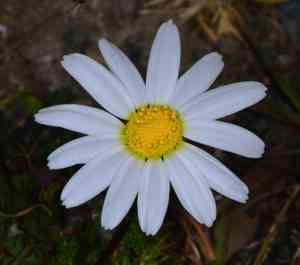
This perennial, which loves sunlight and is recognized for its daisy-like blossoms, flourishes when trimmed in early spring following the final frost. This practice stimulates robust development and flowering. Removing faded blooms during the summer months preserves its aesthetic appeal and encourages ongoing flowering. Pruning in late autumn readies whitebuttons for the colder season by eliminating aged and lifeless foliage. Consistent trimming averts excessive density and illness, leading to more robust plants. Disinfect implements between each cut to reduce the transmission of pathogens.
Advantages of Trimming whitebuttons
Advantages of Trimming whitebuttons
Trimming whitebuttons promotes robust development and assists in maintaining its form. Strategic cutting encourages a denser look and revitalizes growth, ensuring whitebuttons remains compact and visually appealing.
Optimal Period for Trimming whitebuttons
Optimal Period for Trimming whitebuttons
The specified periods align with whitebuttons's active growth stages and post-bloom phase. Late Spring trimming facilitates strong growth by eliminating old or dead foliage after winter dormancy. Early Summer is perfect for cutting back any excessive growth, directing energy to the healthiest shoots, which fosters vigorous development. Trimming in Early Fall allows whitebuttons to recover before winter dormancy, preventing disease risk and winter damage to fresh cuts. Aligning pruning with these seasons supports whitebuttons's natural life cycle and helps preserve its overall health and aesthetic form.
Required Tools for Trimming whitebuttons
Bypass Pruners
whitebuttons is a small perennial, and bypass pruners are ideal for making precise, clean cuts on its stems. These pruners operate like scissors, with two curved blades that pass each other, which helps prevent damage to the remaining plant tissue.
Handheld Shears
For shaping and trimming whitebuttons's foliage, handheld shears are suitable. They allow for quick, straight cuts across multiple stems simultaneously, which is efficient for maintaining shape and encouraging bushier growth.
Gardening Gloves
Gardening gloves are crucial for protecting the gardener's hands from thorns or sap, ensuring a safe trimming experience while handling whitebuttons.
Pruning Saw
For older or woodier whitebuttons specimens that may have developed thicker stems, a small pruning saw can be used to cut through the wood cleanly without tearing.
How to Trim whitebuttons
Tool sanitation
Before beginning, ensure all trimming tools are clean and sharp to prevent disease spread and make precise cuts.
Remove withered leaves
Locate withered or dead leaves on whitebuttons. Using your trimming shears, snip off the leaves at their base, close to the main stem without causing damage.
Health assessment
Inspect the remaining whitebuttons foliage for signs of disease or stress. Remove any additional leaves that show abnormalities to maintain plant health.
Clean-up
Gently remove the clipped foliage from whitebuttons's base to prevent potential disease and pest infestation.
Growth observation
After trimming, monitor whitebuttons for healthy new growth. This indicates successful trimming and helps determine future trimming needs.
Common Trimming Errors with whitebuttons
Excessive trimming
Removing too much foliage from whitebuttons can weaken the plant, reduce its vitality, and limit its ability to flower.
Incorrect cutting method
Improper cutting angles or using dull tools can cause unnecessary damage to plant tissues, leading to stress or disease.
Trimming during active growth
Trimming whitebuttons during its active growth phase can disrupt its natural development and flowering cycle.
Neglecting tool hygiene
Failing to sanitize trimming tools before use can spread diseases among garden plants.
Ignoring plant form
Not considering whitebuttons's natural shape when trimming can result in a less aesthetically pleasing appearance and potentially harm the plant's structure.
General Trimming Advice for whitebuttons
Precise cuts
Make clean, angled cuts just above leaf nodes to encourage new growth in the desired direction and prevent water from collecting on cuts, which can lead to rot.
Selective removal
Remove only dead or diseased stems, as well as any weak or crowded growth, to maintain air circulation and plant health.
Use of sharp implements
Always use sharp, clean shears or scissors to make precise cuts and prevent unnecessary damage or fraying.
Targeted trimming
Focus on cutting back spent whitebuttons flowers to promote further blooming and prevent the plant from expending energy on seed production, unless seed collection is desired.
Post-trimming care
After trimming whitebuttons, ensure the plant receives appropriate care, including watering and fertilization, to aid its recovery and flourishing.



