
Whitebuttons (Anacyclus clavatus)
Also known as: Longwort
Anacyclus clavatus, also known as whitebuttons, is a plant in the daisy family. Its common name, "whitebuttons," arises from the appearance of its small, button-like white flowers. This species is indigenous to regions in North Africa and Europe.
In This Article
Attributes of Whitebuttons
Lifespan
Annual
Plant Type
Herb
Plant Height
20 cm to 40 cm
Spread
Approximately 0.2 to 0.4 meters
Leaf Color
Green
Flower Size
2 cm to 3 cm
Flower Color
White Yellow
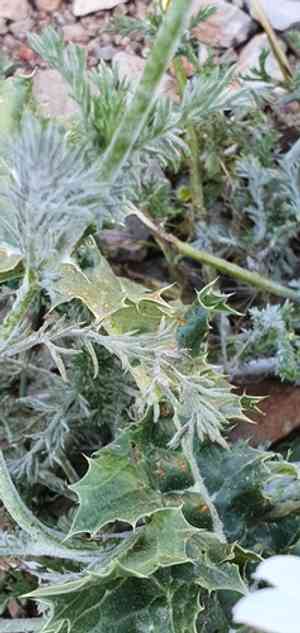
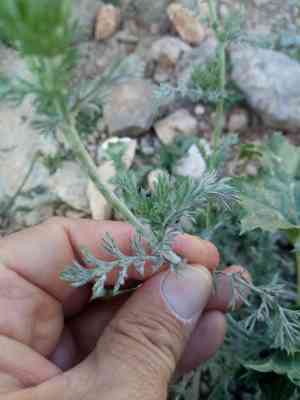
Images of Whitebuttons


Quickly Identify Whitebuttons
1
Look for daisy-like flowers with white petals and a yellow center, finely divided and feathery leaves, and a strong, camphor-like scent when crushed.
Scientific Classification of Whitebuttons
Phylum
Vascular plants
Class
Dicotyledons
Order
Asterales
Family
Daisy
Genus
Anacyclus
Species
Whitebuttons
Planting and Growing of Whitebuttons
Care Difficulty
Easy
Watering Schedule
Every 3 days
Sunlight Requirements
Full sun
Sunshine Duration
4-6 hours
Ideal Temperature
60-75℉
Soil Type
Potting Mix, Peat Mix
Soil pH
6.5-7.5
Fertilizer Type
Balanced
Pruning Season
Spring, Summer
Pruning Area
Branches, Leaves
Pruning Frequency
2 times a year
Repotting Season
Spring
Pot Type
Plastic, Ceramic
 How to Water Whitebuttons?
When it comes to watering Anacyclus clavatus, it is essential to ensure the soil is moist but not waterlogged. This plant thrives with moderate watering. You should aim for about 100 ml per watering, just enough to wet the top layer of the soil without causing excess water to pool at the bottom.
What are the symptoms of an underwatered Whitebuttons?
›
What should I do if my Whitebuttons is not getting enough water?
›
What are the symptoms of an overwatered Whitebuttons?
›
How to save an overwatered Whitebuttons?
›
 What Are the Sunlight Requirements for Whitebuttons?
Anacyclus clavatus prefers full sun to partial sun conditions. The plant benefits from receiving direct sunlight for 6 to 8 hours daily, which enhances flower production, vigor, and overall health, helping it to resist pest and disease pressures effectively.
More About Sunlight Requirements Techniques→
What is the ideal amount of sunlight for Anacyclus clavatus?
›
How can I optimize lighting for my Anacyclus clavatus?
›
What benefits does ideal lighting provide Anacyclus clavatus?
›
 What Is the Ideal Temperature Range for Whitebuttons?
The ideal temperature range for Anacyclus clavatus cultivation is between 60°F and 75°F. This range provides the plant with optimal conditions for healthy growth, ensuring its physiological processes can occur without stress. Temperatures within this range allow for efficient photosynthesis and nutrient absorption, promoting a robust and vibrant plant.
 What Soil is Best for Whitebuttons?
Anacyclus clavatus thrives in well-drained soils, which prevent waterlogging that could suffocate the roots. Proper drainage ensures oxygen availability, fostering healthy root development and vigorous growth. This plant prefers soils with moderate nutrient levels. Overly rich soils might promote excessive leaf growth at the expense of blooms, so balanced fertility is key for abundant flowering. While Anacyclus clavatus can tolerate a range of pH levels, it shows a preference for slightly alkaline conditions. This helps optimize nutrient uptake and enhances overall plant health.
 How to Fertilize Whitebuttons?
Anacyclus clavatus, commonly known as the Spanish Chamomile, requires moderate fertilization. Use a balanced liquid fertilizer diluted to half strength. Apply approximately 100-150 ml per plant during the growing season, adjusting the amount based on plant size and soil fertility.
 How to Prune Whitebuttons?
Begin by assessing the plant for any dead, damaged, or diseased stems and flowers. Use your pruning shears to cut these parts off close to the base. After removing the damaged material, aim to give the plant a balanced shape. Cut back long stems to create an even, rounded appearance that promotes even growth. Trim back up to one-third of last year’s growth to stimulate new blooms and strong framework for next year’s flowers.
More About Pruning Techniques→
 How to Propagate Whitebuttons plant?
1
Begin by filling seed trays or pots with potting mix and dampening it slightly. Sow the Anacyclus clavatus seeds on the surface and cover lightly with extra potting mix to ensure adequate exposure to light for germination.
2
Place the trays in a location with bright, indirect sunlight or under grow lights, ensuring around 12 to 14 hours of light per day. Proper lighting ensures healthy seedling development and prevents leggy growth.
3
Keep the potting mix consistently moist by misting the surface with water, but avoid waterlogging, which can lead to fungal diseases. Regular monitoring is crucial to maintain optimal moisture levels.
 How to Repot Whitebuttons plant?
1
Anacyclus clavatus needs repotting when its roots outgrow the current pot, usually noticed as roots emerging from the drainage holes or when the plant’s growth seems stunted. Another signal is when the soil no longer retains moisture, drying out rapidly after watering.
2
Choose a pot with adequate drainage holes to prevent waterlogging, ideally one size larger than the current pot. A terracotta pot is beneficial as it allows for breathability and avoids excess moisture retention, promoting healthy root development.
3
Opt for a well-draining sandy soil mix tailored for Mediterranean plants. This type of soil mimics the plant's natural habitat, ensuring adequate drainage while retaining necessary nutrients, reducing the risk of root rot and promoting robust growth.
Learn More About Whitebuttons Diseases
Anthracnose
Bacterial Leaf Spot
Bacterial Soft Rot
Bacterial Wilt
Black Spot
Chemical Injury
Cyst Nematode
Damping-off
Downy Mildew
Drought Stress
Fusarium Wilt
Gray Mold
Leaf Curl
Leaf Spot
Mosaic
Nutrient Deficiency
Nutrient Toxicity
Powdery Mildew
Root Rot
Root-knot Nematode
Rusts
Sooty Mold
Spider Mites
Temperature Stress
Thrips Damage
White Mold



