How to Prune Texas torchwood?
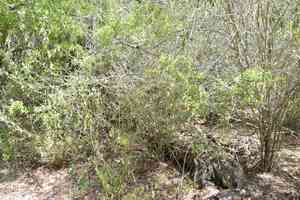
As a member of the shrub family, texas torchwood is recognized for its thick leaves and fragrant characteristics. The best periods for trimming are in late winter or early spring, prior to the emergence of new shoots. Cut away aged and lifeless branches to sculpt the plant and improve air movement, fostering more robust development. Consistent trimming also assists in preserving texas torchwood's compact structure and can stimulate a greater abundance of scented flowers. Make sure to execute precise cuts to avert illness, employing sharp implements designed for shrub maintenance.
What Are the Benefits of Pruning Texas Torchwood?
What Are the Benefits of Pruning Texas Torchwood?
Trimming texas torchwood promotes robust development and maintains its desired form. It prevents excessive growth, ensures better light access, and improves the plant's overall health and visual appeal.
What Is the Best Time for Pruning Texas Torchwood?
What Is the Best Time for Pruning Texas Torchwood?
Pruning texas torchwood in late winter or early spring is recommended as this period aligns with the plant's dormant phase. This inactive stage occurs before the spring growth surge, meaning pruning at this time reduces plant stress, allowing for more effective healing and energy allocation for strong spring growth. Furthermore, pruning prior to the spring growth spurt ensures texas torchwood has ample opportunity to establish new growth and maintain a healthy structure throughout the growing season. This timing also lowers the risk of pest infestation and disease, as fresh cuts can heal faster in cooler temperatures.
What Tools Do I Need to Prune Texas Torchwood?
Hand Pruners
Perfect for making precise cuts on smaller texas torchwood branches, typically not exceeding 1/2 inch in diameter. These tools allow for targeted branch removal to shape the plant and encourage healthy development.
Loppers
Best for cutting thicker branches, up to 1 1/2 inches in diameter, that hand pruners cannot manage. Loppers provide the necessary leverage for clean cuts on texas torchwood without harming the plant.
Pruning Saw
Crucial for removing larger branches over 1 1/2 inches thick. Texas torchwood may occasionally require the removal of substantial limbs, and a pruning saw helps make these larger cuts smoothly and efficiently.
Gardening Gloves
Essential for personal protection when pruning texas torchwood. These gloves will shield the gardener's hands from thorns and rough bark, ensuring a safer pruning session.
How to Prune Texas Torchwood
Sanitize
Before beginning to prune texas torchwood, ensure all pruning tools are clean and sterilized to prevent disease transmission. Use a solution of 1 part bleach to 9 parts water to disinfect shears and saws.
Remove Diseased Material
Carefully inspect texas torchwood for any diseased leaves and branches. Use sharp, clean pruning shears to snip off diseased leaves and cut back diseased branches to healthy wood. Ensure cuts are made at a slight angle to facilitate water runoff and prevent further disease.
Remove Dead Material
Eliminate any dead branches or withered leaves from texas torchwood to promote healthier growth and improve air circulation within the canopy. Cut these materials back to the point of healthy tissue or to the plant's base, as appropriate.
Thinning
Thin out the texas torchwood canopy by selectively removing some inner branches. This increases light penetration and air flow throughout the plant, which is vital for reducing disease risk and promoting vigorous growth.
Cleanup
Gather all removed plant debris, such as leaves and branches, and dispose of them properly to prevent potential re-infection or pest issues. Cleaning the area around texas torchwood will eliminate pest habitats and decrease the likelihood of future problems.
Common Pruning Mistakes with Texas Torchwood
Overpruning
A frequent error when pruning texas torchwood is removing too much foliage at once, which can stress the plant and lead to poor growth or reduced vitality.
Improper Technique
Using dull or dirty pruning tools can result in jagged cuts that are more susceptible to disease and pest infestation. It's crucial to make clean cuts to encourage faster healing.
Ignoring Plant Structure
Failing to understand the natural growth pattern of texas torchwood can lead to cutting off important flowering buds or disrupting the plant's natural shape.
Pruning Healthy Wood
Sometimes gardeners remove healthy branches instead of only targeting dead, damaged, or diseased wood. This can reduce the overall productivity and aesthetic appeal of texas torchwood.
Common Pruning Tips for Texas Torchwood
Clean Cuts
Always use sharp, sanitized pruning shears. This ensures that cuts are clean and minimizes damage to texas torchwood tissues, aiding in quick recovery.
Selective Pruning
Texas torchwood benefits from selective thinning of overcrowded branches. This increases light penetration and air circulation, promoting healthy growth and reducing disease risk.
Maintain Shape
Texas torchwood has a naturally bushy habit. When pruning, aim to maintain its natural shape, enhancing its ornamental value without drastically altering its form.
Prune Damaged Branches
Focus on removing branches that are dead, damaged, or diseased. This not only cleans up the appearance of texas torchwood but also prevents the spread of potential infections.
Prune for Plant Health
Periodically remove interior branches that cross or rub against each other to prevent wounds and potential entry points for pests and diseases.



