How to Prune Woolly bluestar?
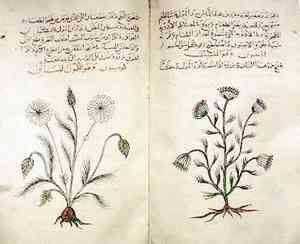
This resilient perennial, featuring vivid blue blossoms and downy leaves, flourishes with little upkeep. Remove any withered or compromised stalks at your convenience; a gentle trim post-bloom fosters a more compact habit. The most effective time for pruning is early spring, to sculpt the plants and reduce crowded groupings. This action improves air circulation, deterring fungal ailments. Autumn pruning readies woolly bluestar for its dormant phase, stimulating robust development in the spring. Always employ sharp, sanitized implements to avert disease and guarantee precise incisions.
Advantages of Trimming Woolly Bluestar
Advantages of Trimming Woolly Bluestar
Trimming woolly bluestar encourages fresh growth, leading to more vibrant blossoms. It also helps maintain a compact shape, preventing excessive growth, and promotes robust health, lowering disease risk.
Optimal Time for Trimming Woolly Bluestar
Optimal Time for Trimming Woolly Bluestar
Early spring trimming for woolly bluestar promotes vigorous new growth as the plant awakens from dormancy. Late summer trimming is ideal after flowering, allowing woolly bluestar to maintain form and prepare for the next season. Mid-fall trimming is good for removing spent or damaged growth before winter, but should be done well before the first frost to prevent new growth susceptible to cold damage.
Tools Required for Trimming Woolly Bluestar
Bypass Pruners
Perfect for making clean cuts on woolly bluestar's stems, bypass pruners are excellent for precise trimming and minimizing plant tissue damage, crucial for woolly bluestar's health.
Gloves
Given that woolly bluestar might have fine hairs that could irritate skin, gardening gloves are essential to protect the gardener's hands during the trimming process.
Pruning Saw
For older woolly bluestar specimens with thicker stems, a pruning saw may be needed for larger cuts where bypass pruners are insufficient.
Long-Handled Loppers
When needing to reach into dense growth or handle larger branches without straining the gardener, long-handled loppers offer the necessary leverage and reach.
Pruning Shears
For shaping woolly bluestar or simply thinning new growth, pruning shears are quite useful, providing more control than bypass pruners for delicate tasks.
How to Trim Woolly Bluestar
Sanitize Tools
Before beginning to trim woolly bluestar, sanitize all pruning tools to prevent disease spread. Use a solution of 1 part bleach to 9 parts water to disinfect the shears.
Remove Diseased Foliage
Identify and carefully remove any diseased leaves from woolly bluestar. Make precise cuts to remove the entire leaf, including its stem, to prevent further infection.
Trim Withered Foliage
Locate withered leaves that no longer contribute to woolly bluestar's growth. Cut these leaves at their base where they meet the stem, ensuring a clean cut without harming adjacent healthy tissue.
Deadhead Blooms
Deadhead faded flowers to encourage more blooms and maintain woolly bluestar's appearance. Snip the flower stem just above the first set of healthy leaves, using an angled cut to allow water to drain.
Tidy Up
After trimming woolly bluestar, gather and dispose of all cut parts away from the garden to minimize disease risk. Clean the tools again using the bleach solution.
Common Trimming Errors with Woolly Bluestar
Excessive Trimming
Removing too much foliage from woolly bluestar at once can cause stress and hinder the plant's ability to photosynthesize and grow healthily.
Incorrect Cut Placement
Cutting too close to the buds or main stem of woolly bluestar may damage growth nodes, impeding the development of new shoots and flowers.
Using Dull Implements
Trimming with dull or dirty tools can result in jagged cuts that leave woolly bluestar susceptible to pests and diseases.
Neglecting Deadheading
Failing to remove spent flowers from woolly bluestar might prevent further blooming and waste the plant's energy on seed production instead of new growth.
General Trimming Advice for Woolly Bluestar
Selective Trimming
Thinning out crowded areas by selectively removing some stems at the base of woolly bluestar will improve air circulation and reduce the risk of fungal diseases.
Gradual Trimming
Trim woolly bluestar gradually over the course of the growing season to shape the plant without causing shock to its system.
Clean Cut Angle
Make cuts at a 45-degree angle just above a bud or branching point to promote healing and direct new growth outward on woolly bluestar.
Deadheading After Bloom
Regularly remove the spent blooms of woolly bluestar to encourage continuous flowering and prevent unwanted self-seeding.
Tool Sanitization
Always clean and sharpen pruning tools before use to ensure clean cuts and reduce the transmission of diseases when caring for woolly bluestar.



