
Woolly bluestar (Amsonia tomentosa)
Also known as: Woolly Bluestar, Desert Bluestar
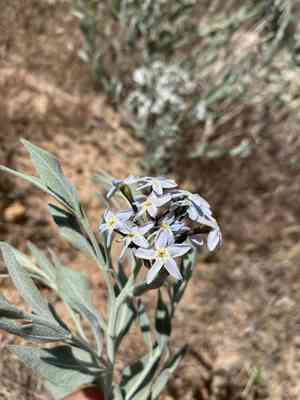
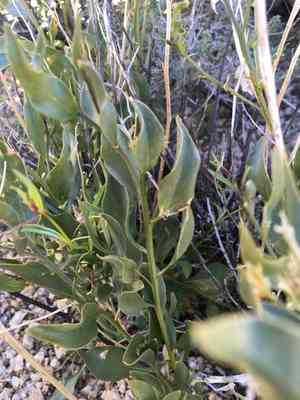
Woolly bluestar (Amsonia tomentosa) gets its name from its star-shaped pale blue flowers and its leaves covered in fine, woolly hairs. The Latin term "tomentosa" signifies its hairy nature. This plant can be found in two distinct forms: one with green, smooth leaves and another with gray, woolly leaves.
In This Article
Attributes of Woolly bluestar
Lifespan
Perennial
Plant Type
Herb
Plant Height
20 cm to 60 cm
Spread
1 to 2 feet
Leaf Color
Gray-green
Flower Size
0.5 inches
Flower Color
White Purple
Images of Woolly bluestar
Quickly Identify Woolly bluestar
1
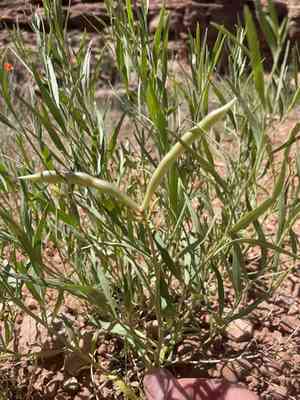
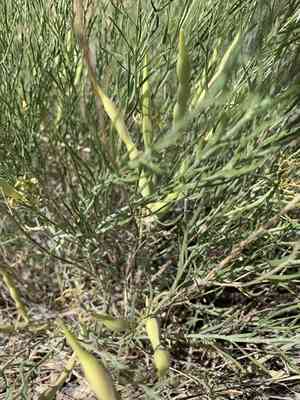
Amsonia tomentosa can be identified by its small blue star-shaped flowers that bloom in clusters, its woolly, gray-green leaves, and a shrubby appearance. The plant typically grows in dry, sunny areas.
Scientific Classification of Woolly bluestar
Phylum
Vascular plants
Class
Dicotyledons
Order
Gentianales
Family
Dogbane
Genus
Bluestars
Species
Woolly bluestar
Planting and Growing of Woolly bluestar
Care Difficulty
Easy
Watering Schedule
Every 2 days
Sunlight Requirements
Full sun
Sunshine Duration
4-6 hours
Ideal Temperature
60-75℉
Soil Type
Potting Mix, Peat Mix
Soil pH
6.5-7.5
Fertilizer Type
Balanced
Pruning Season
Spring, Summer
Pruning Area
Branches, Leaves
Pruning Frequency
2 times a year
Repotting Season
Spring
Pot Type
Plastic, Ceramic
 How to Water Woolly bluestar?
Amsonia tomentosa prefers a moderate amount of water; the soil should be moist but not soggy. Generally, around 250 ml of water per session should suffice. Ensure the top layer of soil dries out between watering sessions to prevent root rot.
What are the symptoms of an underwatered Woolly bluestar?
›
What should I do if my Woolly bluestar is not getting enough water?
›
What are the symptoms of an overwatered Woolly bluestar?
›
How to save an overwatered Woolly bluestar?
›
 What Are the Sunlight Requirements for Woolly bluestar?
Amsonia tomentosa ideally needs full to partial sunlight exposure. Ensuring continuous access to such light aids in optimal photosynthesis, which fuels growth and enhances floral displays.
More About Sunlight Requirements Techniques→
What type of light does Amsonia tomentosa prefer?
›
How can I ensure Amsonia tomentosa gets its ideal lighting conditions?
›
What are the benefits of providing Amsonia tomentosa with ideal lighting?
›
 What Is the Ideal Temperature Range for Woolly bluestar?
The ideal temperature range for Amsonia tomentosa is between 60 and 75 degrees Fahrenheit. This range provides optimal conditions for the plant to thrive and promotes healthy growth and flowering. Consistent temperatures within this range ensure the plant maintains its vigor and resilience.
 What Soil is Best for Woolly bluestar?
Amsonia tomentosa thrives in well-draining soils, such as sandy loam. This type of soil prevents waterlogging, which can lead to root rot, thus ensuring the plant remains healthy and vibrant. Although not overly demanding, Amsonia tomentosa benefits from soils with moderate organic content. This provides essential nutrients for growth and enhances blooming, adding a lush aspect to garden beds. The plant prefers soil with a pH between 6.5 and 7.5. Maintaining this pH range ensures optimal nutrient availability, supporting robust development and maintaining foliage color.
 How to Fertilize Woolly bluestar?
When applying fertilizer to Amsonia tomentosa, it is crucial to balance providing enough nutrients without over-fertilizing. A gentle approach is recommended, using half the recommended amount on the fertilizer package for each application. This moderation ensures that the plant receives a steady supply of nutrients without overwhelming it, promoting sustained, healthy growth.
 How to Prune Woolly bluestar?
To ensure the Amsonia tomentosa remains bushy and compact, trim it back by about one-third to one-half after the flowering period in late spring or early summer. This encourages new growth and prevents the plant from becoming leggy. Regularly inspect the plant and remove any dead or damaged stems. Cut at a 45-degree angle just above a healthy leaf or bud, which promotes quicker healing and new growth.
More About Pruning Techniques→
 How to Propagate Woolly bluestar plant?
1
To propagate Amsonia tomentosa through seeds, begin by collecting mature seeds in the autumn. Store them in a cool, dry place until spring, then soak them in water for 24 hours to aid in germination.
2
Select healthy stems from a mature plant. Cut sections of 4-6 inches using sharp pruning shears to ensure clean cuts that promote successful rooting.
3
Plant prepared seeds or cuttings in a well-draining soil mix. For seeds, cover lightly with soil, and for cuttings, ensure at least one node is below the soil line. Maintain moisture and provide indirect sunlight.
 How to Repot Woolly bluestar plant?
1
Amsonia tomentosa should be repotted when you notice roots protruding from the drainage holes, or the plant appears to be stunted, indicating it's outgrown its current pot. Ideally, schedule repotting during its active growth phases in spring or autumn. Repotting too frequently can stress the plant, so observe these signs mindfully.
2
Select a pot that is 1-2 inches larger in diameter than the current one. It should have adequate drainage holes to prevent waterlogging, which can lead to root rot. A slightly larger pot ensures that the plant has room to grow, promoting healthier roots and foliage without overwhelming it with too much new space.
3
Opt for a sandy, well-draining soil mix to mimic the plant's natural habitat. This type of soil prevents water from sitting around the roots, reducing the likelihood of root rot. A mix that includes sand, perlite, or vermiculite will enhance aeration and drainage, providing the ideal growing conditions.



