How to Prune Allegheny serviceberry?
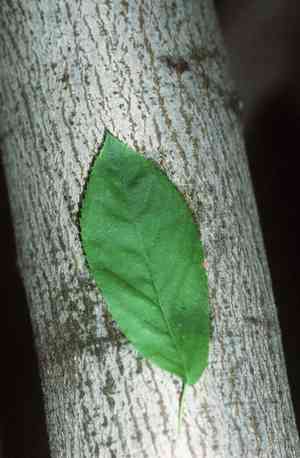
A native deciduous species, allegheny serviceberry displays white spring flowers and brilliant autumn leaves. Trim allegheny serviceberry in late winter or early spring prior to bud break, concentrating on excising dead, compromised, or infected wood. Reducing dense branches improves light access and air movement, fostering a sturdy framework and prolific blooming. Trimming immediately following the bloom period permits appreciation of the seasonal spectacle while preserving its inherent shape. Consistent upkeep guarantees a thriving, appealing form and can encourage development in preferred orientations.
What Are the Benefits of Pruning Allegheny Serviceberry?
What Are the Benefits of Pruning Allegheny Serviceberry?
Trimming allegheny serviceberry promotes stronger development and helps keep its desired form. Regular cutting eliminates dead or diseased wood, fostering a healthier framework and preventing pathogen spread.
What Is the Best Time for Pruning Allegheny Serviceberry?
What Is the Best Time for Pruning Allegheny Serviceberry?
Pruning allegheny serviceberry in late winter or early spring is optimal as this period precedes the plant's dormancy break and the start of new growth. This timing allows for the removal of any dead, damaged, or diseased wood without stressing the plant. Furthermore, since allegheny serviceberry blooms on old wood, pruning after new growth emerges can inadvertently remove flower buds, diminishing the floral display. Late winter pruning reduces the risk of disease transmission, as many pathogens are inactive then. Lastly, the leafless state of allegheny serviceberry during this season offers a clearer view of its structure, enabling more precise cuts for shaping and encouraging healthy development.
What Tools Do I Need to Prune Allegheny Serviceberry?
Hand Pruners
For allegheny serviceberry, hand pruners are utilized to make clean cuts on smaller branches and twigs. They are perfect for the selective removal of dead, diseased, or unwanted branches, ensuring minimal harm to the plant.
Lopping Shears
Allegheny serviceberry may require the removal of thicker branches, for which lopping shears are very effective. They offer greater leverage for cutting branches up to 1 1/2 inches in diameter, promoting healthy growth and shape.
Pruning Saw
A pruning saw is essential for allegheny serviceberry if one needs to cut branches exceeding 1 1/2 inches in diameter. It aids in making clean cuts without tearing, which is crucial for the plant's recovery and well-being.
Pole Pruner
Allegheny serviceberry can reach considerable heights, making a pole pruner necessary to safely trim higher branches from the ground. This avoids the need for ladders and ensures the gardener's safety.
Hedge Shears
For shaping the dense foliage of allegheny serviceberry, hedge shears are appropriate. They allow for the trimming of new growth into a desired form, but should be used sparingly to prevent excessive pruning.
How to Prune Allegheny Serviceberry
Sanitize tools
Before beginning the pruning process for allegheny serviceberry, ensure all pruning tools are clean and disinfected. This helps prevent the spread of diseases between plants during the pruning operation.
Remove dead branches
Identify and eliminate any dead branches from allegheny serviceberry. Make cuts at a 45-degree angle just above an outward-facing bud or branch to encourage healthy growth and maintain the plant's natural form.
Cut diseased branches
Carefully remove diseased branches from allegheny serviceberry by cutting at least several inches below the affected section to ensure all contaminated areas are gone. Dispose of these branches away from healthy plants to prevent spread.
Thin crown
Thin the crown of allegheny serviceberry if needed by removing some of the smaller branches within the canopy. This improves air circulation and light penetration, which can help reduce the likelihood of disease.
Prune carefully
When pruning allegheny serviceberry, make all cuts clean and precise to facilitate rapid healing. Avoid tearing or damaging the bark, and ensure that the remaining branches have ample space to grow without crossing or rubbing against each other.
Common Pruning Mistakes with Allegheny Serviceberry
Over-pruning
Removing too much of allegheny serviceberry's canopy in a single pruning session can stress the plant, potentially leading to a weakened structure and reduced vitality.
Improper cuts
Incorrect cutting methods, such as leaving stubs or cutting too close to the trunk, can create entry points for pests and diseases and impede the plant's natural healing process.
Neglecting dead wood
Failing to remove dead, diseased, or damaged branches hinders allegheny serviceberry's growth and health as these can become carriers for disease or pests.
Removing too many flower buds
Accidental removal of an excessive number of flower buds will significantly decrease allegheny serviceberry's blooming potential for the season.
Disregarding shape
Lack of attention to the natural form of allegheny serviceberry when pruning can result in an unbalanced and aesthetically unpleasing appearance.
Common Pruning Tips for Allegheny Serviceberry
Sharp tools
Use clean, sharp pruning shears and loppers to make precise cuts that will heal quickly, minimizing stress on allegheny serviceberry.
Selective thinning
Thin out overcrowded areas to improve air circulation and light penetration, which is crucial for allegheny serviceberry's overall health and flowering.
Maintenance pruning
Regularly prune to remove dead, diseased, or broken branches, which helps maintain allegheny serviceberry's vigor and shape.
Encouraging new growth
Prune to stimulate new growth, which can rejuvenate an aging allegheny serviceberry and encourage more prolific flowering in subsequent seasons.
Respecting growth habit
Understand and maintain allegheny serviceberry's natural growth habit during pruning to ensure a balanced and attractive shape.



