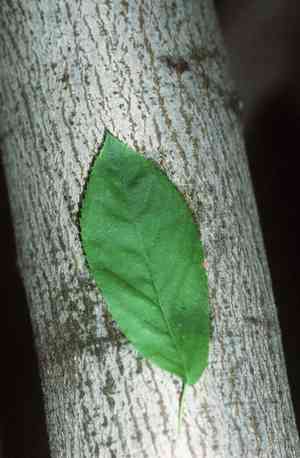
Allegheny serviceberry (Amelanchier laevis)
Also known as: Smooth shadbush, Juneberry, Smooth Serviceberry, Coastal Plain Serviceberry, Allegheny shadbery
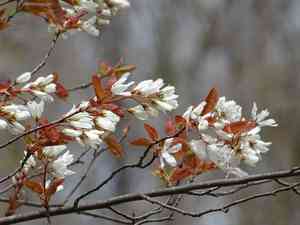
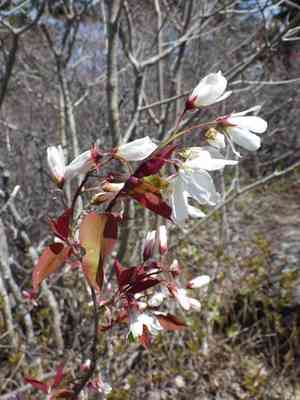
The Allegheny serviceberry (Amelanchier laevis) stands out throughout the year due to its distinctive seasonal attributes. In spring, it showcases clusters of white blossoms that attract pollinators. During the summer, it bears dark blue berries that resemble blueberries, which are enjoyed by both humans and various bird species. Autumn brings a spectacular display of red, orange, and yellow foliage. In winter, its smooth, gray bark and unique branching structure add visual appeal to the landscape.
In This Article
Attributes of Allegheny serviceberry
Lifespan
Perennial
Plant Type
Tree, Shrub
Plant Height
4.5 m to 8 m
Spread
4.5 m to 6 m
Leaf Color
Green Red Orange Purple Bronze
Flower Size
2.5 cm
Flower Color
White
Images of Allegheny serviceberry
Quickly Identify Allegheny serviceberry
1
Flexible growth habit as a multi-trunked tree or dense shrub.
2
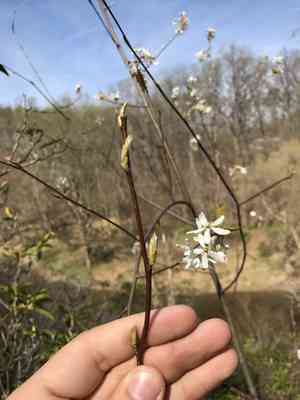
Distinctive white 5-petaled blossoms on racemes 4 inches (10 cm) long.
3
Edible purple berries measuring 0.3-0.5 inches (8-13 mm) in diameter.
4
Oval leaves with serrated margins, glossy green, turning yellow to red in fall.
5
Slender reddish-brown stem with fine hair, branching frequently and growing 15-25 feet (4.5-7.6 meters).
Scientific Classification of Allegheny serviceberry
Phylum
Vascular plants
Class
Dicotyledons
Order
Rosales
Family
Rose
Genus
Shadbushes
Species
Allegheny serviceberry
Planting and Growing of Allegheny serviceberry
Care Difficulty
Easy
Watering Schedule
Every 4 days
Sunlight Requirements
Full sun
Sunshine Duration
6-10 hours
Ideal Temperature
60-75℉
Soil Type
Potting Mix, Peat Mix
Soil pH
6.5-7.5
Fertilizer Type
Balanced
Pruning Season
Spring, Summer
Pruning Area
Branches, Leaves
Pruning Frequency
2 times a year
Repotting Season
Spring
Pot Type
Plastic, Terracotta
 How to Water Allegheny serviceberry?
Amelanchier laevis, commonly known as Allegheny serviceberry, requires a watering amount that ensures the soil remains moist but not soggy. Each watering should aim for about 500 milliliters to soak the root zone while allowing the top inch of soil to dry out between waterings. This approach prevents waterlogging and supports the plant's natural growth pattern.
What are the symptoms of an underwatered Allegheny serviceberry?
›
What should I do if my Allegheny serviceberry is not getting enough water?
›
What are the symptoms of an overwatered Allegheny serviceberry?
›
How to save an overwatered Allegheny serviceberry?
›
 What Are the Sunlight Requirements for Allegheny serviceberry?
Full to partial sunlight allows Amelanchier laevis to maximize photosynthesis and bloom production. Ideal lighting supports robustness and vibrancy by balancing energy intake with natural growth cycles.
More About Sunlight Requirements Techniques→
What type of light is ideal for Amelanchier laevis?
›
How can you ensure Amelanchier laevis gets its ideal lighting conditions?
›
What benefits does ideal lighting bring to Amelanchier laevis?
›
 What Is the Ideal Temperature Range for Allegheny serviceberry?
Amelanchier laevis thrives best within a temperature range of 60°F to 75°F. At these temperatures, the plant is able to photosynthesize efficiently, contributing to optimal growth and fruit production. Consistent temperatures within this range help to prevent stress and promote healthy foliage and robust root systems.
 What Soil is Best for Allegheny serviceberry?
Amelanchier laevis thrives best in well-drained soils. Proper drainage prevents waterlogging, reducing the risk of root rot, and ensures that the roots have access to oxygen, promoting healthier growth. This plant appreciates soil that holds moisture without becoming waterlogged. The right balance provides a consistent water supply during dry periods, supporting vigorous growth and flowering. A nutrient-rich soil provides the essential elements required for the optimal growth of Amelanchier laevis, enhancing foliage color, branch structure, and overall health.
 How to Fertilize Allegheny serviceberry?
When fertilizing Amelanchier laevis, it is important to strike a balance. Use a balanced, slow-release granular fertilizer, applying about 1 pound (0.45 kg) per inch of trunk diameter. Spread evenly over the root zone to ensure all roots can access nutrients. Over-fertilizing can harm the plant, so always err on the side of caution.
 How to Prune Allegheny serviceberry?
Start by selectively thinning out the tree to reduce density. Remove any overcrowded branches to improve air circulation. Focus on cutting back to a lateral branch where possible to maintain the natural shape of the tree. Carefully inspect your Amelanchier laevis and remove any dead or damaged wood. This not only prevents potential disease spread but also conserves the plant's energy towards healthy growth and fosters a vibrant appearance. To shape the plant, trim back the outermost parts to achieve a balanced profile. Amelanchier laevis benefits from light shaping to maintain its graceful, shrub-like form, especially after the flowering period in spring.
More About Pruning Techniques→
 How to Propagate Allegheny serviceberry plant?
1
Choose a disease-free and vigorous Amelanchier laevis plant to take cuttings or seeds from. The health of the parent plant greatly affects the success rate of propagation.
2
Cut 4-6 inch long sections from softwood or semi-hardwood growth. Ensure each cutting has at least three nodes and is cut just below a node.
3
Collect seeds in the autumn and store them over winter. In early spring, stratify the seeds by refrigerating them for 1-2 months before planting them indoors.
 How to Repot Allegheny serviceberry plant?
1
Amelanchier laevis often signals the need for repotting when its roots start coming out of the drainage holes or it appears pot-bound, indicating the current pot is too small. Signs of nutrient deficiency or poor water retention can also signal it's time for fresh potting soil. Ideally, repot in spring or early summer to minimize stress.
2
Select a container that is one size larger than the current pot, with adequate drainage holes to prevent waterlogging. A pot that is too large can retain excess moisture, leading to root rot, while a pot that is too small can restrict root growth, stunting the plant's development. Material-wise, terracotta pots are often recommended for their breathability.
3
Opting for a well-draining loam mix provides the right balance of moisture retention and aeration for Amelanchier laevis. Such soil ensures that roots receive necessary oxygen while preventing waterlogging, which is crucial for the plant's health and growth.



