How to Prune Asian serviceberry?
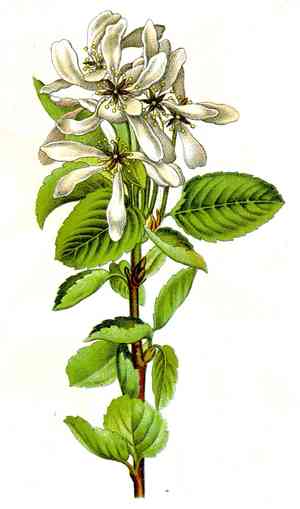
Distinguished by its striking blooms and palatable berries, asian serviceberry thrives with regular trimming to improve its vitality and yield. Perform pruning in the latter part of winter or early spring, prior to the start of the active growth period. Eliminate any lifeless or ailing wood, reduce crowded branches to allow for better light and air circulation, and sculpt to your preference. This fosters a robust framework and abundant flowering. Consistent pruning prevents excessive density, preserving both its aesthetic charm and plant health.
Advantages of Trimming Asian Serviceberry
Advantages of Trimming Asian Serviceberry
Trimming asian serviceberry promotes vigorous development and maintains its desired structure. Regular cutting back helps revitalize asian serviceberry, ensuring a strong framework and visually appealing form.
Optimal Period for Trimming Asian Serviceberry
Optimal Period for Trimming Asian Serviceberry
Trimming asian serviceberry in late winter or early spring, prior to new growth, is ideal. This timing allows for the removal of dead or damaged wood after winter, preventing disease and pests. Pruning during this phase is beneficial as it aligns with the plant's dormancy, minimizing stress and sap loss. Additionally, since asian serviceberry flowers on the previous year's growth, late winter or early spring pruning ensures flowering potential is not compromised, allowing for a full display of blossoms. It also encourages vigorous growth and a more desirable shape by directing energy to new, healthy growth. This schedule also facilitates rapid wound healing in warmer weather, enhancing the plant's vitality and overall health.
Tools Required for Trimming Asian Serviceberry
Hand Pruners
For precise cuts and to remove small branches up to 3/4 inch in diameter from asian serviceberry, sharp bypass hand pruners are recommended. Bypass blades make clean cuts without harming surrounding branch tissue, crucial for plant health.
Loppers
For slightly larger branches, from 1/2 to 1 1/2 inches thick, sturdy loppers provide the necessary leverage for effortless cuts without straining the gardener's hands. This is important as asian serviceberry may have thicker branches needing removal for proper shaping and air circulation.
Pruning Saw
For the thickest branches over 1 1/2 inches in diameter, a pruning saw is the ideal tool. Its sharp teeth and ergonomic design allow for efficient cutting without undue stress to asian serviceberry, ensuring healthy recovery after pruning.
Hedge Shears
When asian serviceberry is grown as a hedge or requires shaping, hedge shears are suitable for trimming and shaping outer foliage tips, promoting denser growth and a pleasing aesthetic.
How to Trim Asian Serviceberry
Clean and sharpen tools
Before trimming asian serviceberry, clean and sharpen your pruning tools to ensure precise cuts and reduce disease transmission risk.
Identify branches
Inspect asian serviceberry to locate dead or diseased branches, which typically appear dry, brittle, and discolored compared to healthy ones.
Sterilize tools
Sterilize your pruning tools with alcohol or a 10% bleach solution before making any cuts to prevent pathogen spread.
Make cuts
Make clean cuts at a 45-degree angle just above a healthy bud or branch junction when removing dead or diseased branches from asian serviceberry to promote proper healing.
Disposal
Dispose of dead or diseased branches immediately to prevent disease spread, avoiding composting if pathogens are present.
Common Trimming Errors with Asian Serviceberry
Over-trimming
Removing too much foliage can stress asian serviceberry, leading to poor flowering or even plant decline.
Incorrect cut placement
Cutting too close to buds or not at a 45-degree angle can damage asian serviceberry and hinder healing and new growth.
Using dull tools
Utilizing dull pruning tools can cause jagged cuts, making asian serviceberry more susceptible to pests and diseases.
Neglecting sanitation
Failing to clean tools between cuts and plants can spread pathogens and negatively impact asian serviceberry's health.
Trimming without a plan
Random or excessive cuts without a clear goal may result in an unsightly shape and impair asian serviceberry's health and fruit production.
Ignoring diseased limbs
Not removing diseased or damaged limbs can lead to further deterioration of asian serviceberry's health.
General Trimming Advice for Asian Serviceberry
Clean cuts
Ensure cuts are clean and sharp to encourage proper healing and prevent disease entry points on asian serviceberry.
Selective trimming
Trim selectively, removing only dead, dying, or overcrowded branches to improve air circulation and light penetration for asian serviceberry.
Appropriate tool use
Use the correct tools for the task, such as hand pruners for small branches and loppers or a pruning saw for larger limbs of asian serviceberry.
Thin crowded areas
Thin out congested areas to maintain good form and promote better air movement through asian serviceberry's canopy, reducing disease risk.
Follow natural form
Trim in a way that maintains or enhances asian serviceberry's natural shape, avoiding unnatural forms or stubs.
Tool maintenance
Keep all pruning tools sharp and clean to prevent disease transmission and ensure precise cuts on asian serviceberry.



