How to Prune Large-fruit amaranth?
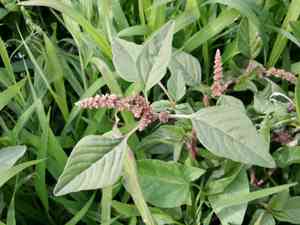
Recognized for its palatable seeds and greens, large-fruit amaranth flourishes with regular cutting back. Essential pruning strategies include delicately nipping the ends to foster a denser form, and eliminating any withered or discolored leaves to preserve vigor and aesthetic appeal. The most effective time for pruning extends from spring through autumn, coinciding with phases of vigorous development. Trimming can improve airflow and diminish the likelihood of illness, guaranteeing a sturdy, fruitful plant. Cultivators gain from the controlled dimensions and augmented leaf production after pruning.
What Are the Benefits of Pruning Large-fruit Amaranth?
What Are the Benefits of Pruning Large-fruit Amaranth?
Trimming large-fruit amaranth promotes robust development and maintains its form. Strategic cuts enhance air circulation and light exposure, vital for a thriving plant. Regular trimming keeps large-fruit amaranth compact, boosting its visual appeal and strength.
What Is the Best Time for Pruning Large-fruit Amaranth?
What Is the Best Time for Pruning Large-fruit Amaranth?
Trimming large-fruit amaranth in spring, as it emerges from dormancy, encourages healthy new growth and helps maintain its desired shape. In late summer, cutting can remove spent or exhausted growth from the summer season, preparing large-fruit amaranth for a healthier start the following year. Early fall pruning can help manage size and remove any damaged growth before winter, ensuring cuts heal before colder weather. These periods are optimal as they align with large-fruit amaranth's active growth and natural cycles, avoiding stress during flowering or fruiting and minimizing disease or pest risk from untimely pruning.
What Tools Do I Need to Prune Large-fruit Amaranth?
Bypass Pruners
Perfect for making precise cuts on large-fruit amaranth, bypass pruners are designed to cleanly sever green, living stems without crushing plant tissue. Given the typical stem thickness of large-fruit amaranth, these pruners are ideal for maintaining its shape and removing unwanted growth.
Gloves
Due to potential irritants in some amaranth species, wearing gloves while trimming large-fruit amaranth can protect skin from irritation and provide a better grip on pruning tools.
Pruning Shears
These are suitable for shaping and controlling the size of large-fruit amaranth. Pruning shears offer good control and can handle thin to moderately thick stems, typical for this species.
Garden Scissors
Large-fruit amaranth may have small, delicate stems needing thinning or shaping. Garden scissors provide precision for these fine-tuning tasks without harming neighboring plants or intricate parts of large-fruit amaranth.
Hand Saw
If large-fruit amaranth has grown substantially and developed thicker stems or branches, a hand saw might be needed to remove those larger parts. However, this tool is only required for mature plants with significant woody growth.
How to Prune Large-fruit Amaranth
Identify
Regularly inspect large-fruit amaranth to locate withered leaves, which may appear yellow, brown, or dried.
Disinfect
Before trimming large-fruit amaranth, clean and sanitize pruning tools to prevent disease spread.
Prune
Use sharp scissors or pruning shears to carefully remove withered leaves from large-fruit amaranth at the stem's base, being cautious not to harm nearby healthy leaves or stems.
Dispose
Collect and discard all removed material from large-fruit amaranth to prevent potential pest and disease issues.
Health Check
After trimming, briefly assess the overall health of large-fruit amaranth to ensure no signs of stress or damage are present.
Common Pruning Mistakes with Large-fruit Amaranth
Over-Pruning
Removing too much foliage from large-fruit amaranth at once can stress the plant, hindering its growth and vitality. Aim to prune no more than one-third of the plant at a time.
Dull Tools
Using dull pruning shears can cause jagged cuts that are more susceptible to disease. Always use sharp, clean tools to make precise cuts.
Tearing Stems
Avoid tearing or ripping the stems of large-fruit amaranth when pruning. Clean cuts are crucial to prevent damage and disease.
Ignoring Plant Shape
Failing to consider the natural form of large-fruit amaranth can lead to a lopsided or unnatural appearance after pruning.
Pruning Healthy Tissue
Unnecessarily cutting away healthy tissue can reduce the overall vigor of large-fruit amaranth. Focus on removing only dead, damaged, or overgrown parts.
Common Pruning Tips for Large-fruit Amaranth
Clean Cuts
Ensure all cuts on large-fruit amaranth are clean and made at a 45-degree angle just above a node or branching point. This encourages proper healing and new growth.
Sanitization
Before and after trimming large-fruit amaranth, sanitize your tools to prevent disease spread. A solution of bleach and water or rubbing alcohol can be used.
Selective Thinning
Thin out dense areas of large-fruit amaranth to improve air circulation and light penetration, which can reduce disease risk and promote more robust growth.
Phase Pruning
Spread out the trimming process for large-fruit amaranth over multiple seasons if heavy pruning is required. This phased approach can help prevent shock and stress to the plant.
Consistent Maintenance
Maintain a regular trimming schedule for large-fruit amaranth to manage growth and promptly remove dead or damaged tissue, promoting plant health and aesthetics.



