How to Prune Slender meadow foxtail?
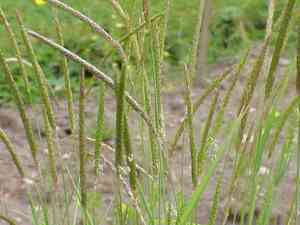
This enduring grass, recognized by its slender foliage and compact floral plumes, flourishes with infrequent trimming. The most effective times for pruning extend from Spring to Autumn, serving to preserve its form and stimulate fresh development. Eliminate withered or compromised leaves and faded flower stalks to foster vitality and deter self-propagation. Judicious pruning guarantees vigorous regeneration, thereby limiting its dispersion within garden environments. Pruning serves not merely as upkeep but also assists in regulating its growth trajectory.
What Are the Benefits of Pruning Slender Meadow Foxtail?
What Are the Benefits of Pruning Slender Meadow Foxtail?
Trimming slender meadow foxtail promotes robust and vigorous development by eliminating dead or overgrown stems, enhancing light penetration and air movement. Regular cutting helps maintain its form, preventing excessive growth and fostering a more pleasing appearance.
What Is the Best Time for Pruning Slender Meadow Foxtail?
What Is the Best Time for Pruning Slender Meadow Foxtail?
Pruning in Late Spring allows for the removal of any dead or damaged growth from slender meadow foxtail after winter dormancy, promoting healthy new growth. Early Summer is suitable for trimming slender meadow foxtail as it encourages denser foliage and can help prevent the plant from becoming too invasive during its active growth phase. Early Fall pruning is optimal as it helps prepare slender meadow foxtail for winter by removing old growth and reducing the plant's energy expenditure during dormancy. Pruning during these seasons aligns with the natural growth cycle of slender meadow foxtail, ensures minimal stress on the plant, and helps maintain its vigor and appearance without adversely affecting flowering or seeding, as slender meadow foxtail is generally considered a grass weed with less focus on flowering aesthetics.
What Tools Do I Need to Prune Slender Meadow Foxtail?
Grass Shears
These are perfect for trimming and shaping slender meadow foxtail due to their light design and accuracy. Grass shears can be used to cut back the foliage without harming the plant.
String Trimmer
Slender meadow foxtail can quickly spread across a meadow area, so a string trimmer is useful for larger or more widespread pruning tasks. It allows for easy trimming of large patches.
Hand Pruners
These are useful for selectively pruning slender meadow foxtail when you need to remove individual plants or target specific areas without disturbing surrounding flora.
Gloves
Wearing gloves is essential to protect hands from irritation or injury while pruning slender meadow foxtail.
Garden Rake
After cutting back slender meadow foxtail, a garden rake can help gather and remove the cut foliage, keeping the area tidy and preventing reseeding if desired.
How to Prune Slender Meadow Foxtail
Clean tools
Before pruning slender meadow foxtail, ensure that all pruning tools are clean and sterilized to prevent the spread of disease.
Identify
Examine slender meadow foxtail carefully to identify withered leaves that need to be removed. Look for leaves that are discolored, dried out, or otherwise indicating decay.
Snip
Using a pair of sharp scissors or pruning shears, carefully snip off the withered leaves at the base, avoiding damage to the healthy parts of slender meadow foxtail.
Dispose
Dispose of the withered leaves properly to prevent the possible spread of pests or diseases that might still be present on the leaves.
Cleanup
Clean the area around slender meadow foxtail to maintain good hygiene and reduce the risk of any pest or disease affecting the plant in the future.
Common Pruning Mistakes with Slender Meadow Foxtail
Over pruning
Removing too much foliage from slender meadow foxtail can weaken the plant. Novice gardeners often make the mistake of pruning more than one-third of the plant, which can lead to reduced growth and vitality.
Improper cut location
Cutting too far from a node or cutting into the crown of slender meadow foxtail can damage healthy tissue and impede new growth. It's vital to make cuts just above a node.
Ignoring health status
Pruning slender meadow foxtail when it is unhealthy or stressed can exacerbate its condition. Gardeners should assess the plant's health before pruning.
Using dull tools
Utilizing dull pruning shears can result in jagged cuts that are more prone to disease and pest infestation. Sharp, clean cuts heal faster and reduce the risk of problems.
Pruning randomly
Randomly snipping can lead to an unsightly shape and uneven growth. Gardeners should have a clear pruning goal for slender meadow foxtail, such as controlling size or removing dead growth.
Common Pruning Tips for Slender Meadow Foxtail
Hygiene
Always use sanitized tools to prune slender meadow foxtail to prevent the spread of disease. Clean pruning implements after each use.
Angle cuts
Make cuts at a 45-degree angle about 1/4 inch above a node or bud to encourage water runoff and new growth in the desired direction.
Thin out
Remove some of the inner branches of slender meadow foxtail to increase light penetration and air circulation, helping to reduce the likelihood of disease.
Remove dead material
Regularly check for and prune out dead or damaged stems and foliage to maintain the health and aesthetic of slender meadow foxtail.
Prune for shape
Shape slender meadow foxtail by selecting the strongest stems to remain as structure, and prune away weaker or wayward stems to maintain an attractive, balanced form.



