How to Prune Trailing four o'clock?
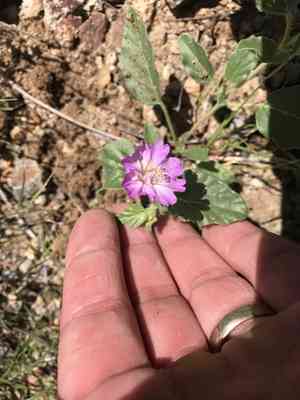
This enduring herbaceous plant, known for its sprawling nature and vibrant trumpet-like blooms, flourishes with infrequent trimming. For Mirabilis jalapa, essential pruning techniques involve removing faded flowers to stimulate additional blossoming and occasionally shortening excessively long stems to preserve its form. The most favorable times for pruning are during spring and summer to fortify fresh development and general well-being. Trimming not only improves its aesthetic but also deters unwanted self-seeding.
What Are the Benefits of Pruning Trailing Four O'clock?
What Are the Benefits of Pruning Trailing Four O'clock?
Trimming trailing four o'clock promotes robust development, refines its shape by eliminating congested branches, and helps keep its size manageable, ensuring a neat look.
What Is the Best Time for Pruning Trailing Four O'clock?
What Is the Best Time for Pruning Trailing Four O'clock?
Late spring and early summer are optimal for trimming trailing four o'clock as this coincides with its active growth phase, emerging from dormancy. Pruning at this time encourages vigorous growth and helps maintain the plant's form. It also allows for the removal of any winter frost damage. Proper timing ensures the plant has ample time to recover before colder weather arrives and minimizes the risk of disease in fresh cuts. Additionally, this timing avoids disrupting the plant's natural blooming cycle, which typically occurs later in summer and into fall.
What Tools Do I Need to Prune Trailing Four O'clock?
Hand Pruners
Perfect for making precise cuts on trailing four o'clock's slender stems when thinning or shaping the plant. They facilitate clean cuts that heal rapidly.
Pruning Shears
Ideal for snipping off dead or damaged flowers and leaves from trailing four o'clock, ensuring minimal harm to the plant's delicate structure.
Gardening Gloves
Essential for protecting hands from potential skin irritants on trailing four o'clock's stems and foliage during the trimming process.
How to Prune Trailing Four O'clock
Inspection
Thoroughly examine trailing four o'clock to identify diseased leaves, withered foliage, and unhealthy stems that need removal.
Sterilization
Sanitize pruning tools with a solution of 1 part bleach to 9 parts water to prevent the spread of pathogens during trimming.
Removal of diseased leaves
Carefully trim diseased leaves from trailing four o'clock, making cuts at the leaf stem's base to avoid harming healthy sections.
Removal of withered leaves
Cut off withered leaves from trailing four o'clock to stimulate new growth, using sharp scissors or pruning shears for a clean incision.
Removal of diseased stems
Trim the diseased stems of trailing four o'clock back to healthy tissue or to the plant's base, ensuring cuts are made at a 45-degree angle to promote healing and prevent water accumulation.
Common Pruning Mistakes with Trailing Four O'clock
Overpruning
A frequent error is removing too much plant material, which can stress trailing four o'clock and impede its ability to thrive.
Improper Cut Placement
Incorrectly made cuts can damage trailing four o'clock's main stems or leave stubs that may attract pests and diseases.
Tearing Stems
Pulling or ripping branches instead of making clean cuts can harm the plant's vascular system, impairing its health and development.
Ignoring Dead or Diseased Growth
Failing to remove dead or diseased parts can lead to further spread of illness and negatively impact trailing four o'clock's overall well-being.
Pruning Without Disinfecting Tools
Using unsanitized pruning tools can spread diseases among plants. It is crucial to disinfect tools before moving to another plant or even when cutting different parts of the same plant.
Common Pruning Tips for Trailing Four O'clock
Sharp Tools
Always use sharp, clean pruning shears or scissors to ensure clean cuts that heal quickly without damaging trailing four o'clock.
Selective Pruning
Instead of indiscriminate cutting, selectively trim dead or overcrowded stems to maintain the shape and health of trailing four o'clock.
Promote Air Circulation
Thin out dense growth to improve air and light penetration, which can reduce the likelihood of disease in trailing four o'clock.
Encourage Bushiness
Pinch back the tips of trailing four o'clock to encourage a more compact growth habit, which can lead to more blooms.
After Flowering Care
Since seasonal information is excluded, it is recommended to trim off spent blooms after the flowering period to maintain a tidy appearance and potentially promote more blooms.



