How to Prune Thinstem lady's mantle?
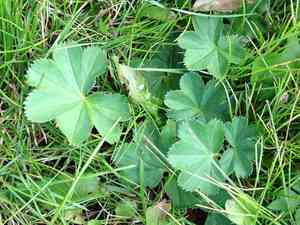
Alchemilla epipsila, recognized for its fine leaves and groupings of tiny, chartreuse blossoms, thrives with deliberate trimming. Reduce the plant's size in early spring to stimulate fresh development and preserve its form. Remove faded flowers throughout summer to foster ongoing blooming. In autumn, prune to avert illness and ready the plant for the colder months. Regular cutting improves air circulation, lessens density, and bolsters general plant well-being. Always employ sanitized, keen implements to avoid harm.
What Are the Benefits of Pruning Thinstem Lady's Mantle?
What Are the Benefits of Pruning Thinstem Lady's Mantle?
Trimming thinstem lady's mantle encourages robust development and helps preserve its form. This action also lowers the chance of illness and pest infestations by eliminating dead or damaged foliage, ensuring a strong and visually appealing plant.
What Is the Best Time for Pruning Thinstem Lady's Mantle?
What Is the Best Time for Pruning Thinstem Lady's Mantle?
Trimming thinstem lady's mantle in spring aids in removing winter damage and prepares the plant for vigorous spring growth. Summer pruning can help shape the plant after flowering and maintain its size and health by removing any dead or unhealthy foliage. Fall pruning readies thinstem lady's mantle for its dormant winter period, ensuring the plant's energy is conserved and directed towards root development.
What Tools Do I Need to Prune Thinstem Lady's Mantle?
Hand Pruners (Bypass Pruners)
Perfect for precise cuts on the slender stems of thinstem lady's mantle. Ensures a clean cut that minimizes harm to the plant tissue, promoting better recovery and less risk of infection.
Flower Shears
Useful for deadheading and trimming soft stems of thinstem lady's mantle. Provides controlled cuts for small, delicate stems, ensuring the plant remains neat and healthy.
Gloves
Protects hands from potential irritants while handling thinstem lady's mantle and ensures a firm grip on pruning tools.
Sterilizing Solution
Crucial for cleaning tools before and after pruning to prevent the spread of diseases or pests to thinstem lady's mantle.
How to Prune Thinstem Lady's Mantle
Inspection
Examine thinstem lady's mantle to identify diseased leaves, withered leaves, dead branches, and diseased branches for removal.
Sanitization
Disinfect pruning shears by wiping the blades with rubbing alcohol or a bleach solution to prevent disease spread.
Removal diseased leaves
Trim off any diseased leaves at their base using clean, sharp pruning shears, ensuring to dispose of them properly to prevent contamination.
Removal withered leaves
Cut away all withered leaves down to the main plant body to encourage new growth and maintain plant health.
Removal dead and diseased branches
Prune any dead or diseased branches back to the healthy wood, making cuts at a slight angle for better water runoff.
Common Pruning Mistakes with Thinstem Lady's Mantle
Over-pruning
One of the most frequent errors is removing too much foliage at once, which can stress thinstem lady's mantle and hinder its growth.
Pruning at the wrong angle
Cutting stems at a 90-degree angle rather than a 45-degree angle can lead to water accumulation and potential stem rot.
Unhygienic tools
Using dirty or dull tools can introduce diseases to the plant or cause uneven cuts, affecting thinstem lady's mantle's health.
Inconsistent pruning
Failing to maintain a regular pruning schedule can result in uneven growth and a less aesthetically pleasing plant shape.
Common Pruning Tips for Thinstem Lady's Mantle
Use clean, sharp tools
Always make sure your pruning shears or scissors are sterilized and sharp to ensure clean cuts that heal quickly.
Prune damaged or dead parts first
Start by removing any unhealthy leaves or stems to prevent the spread of disease and to allow remaining healthy parts to thrive.
Maintain shape and airflow
Trim back any overcrowded areas to improve air circulation within thinstem lady's mantle, which helps prevent fungal diseases.
Be mindful of new growth
Focus on encouraging new growth by making precise cuts just above leaf nodes or healthy buds.



