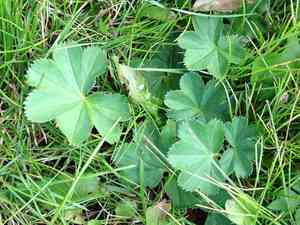
Thinstem lady's mantle (Alchemilla filicaulis)
Also known as: Slender lady's-mantle
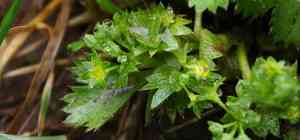
The Fadenstängel-Frauenmantel (Alchemilla filicaulis) is a small to medium-sized perennial herb that typically does not exceed 30 centimeters in height. The stems are usually hairy on the lower portion and occasionally along their entire length. Its leaves consist of a petiole and a fan-shaped, serrated blade. This plant thrives in moist, well-drained soils and prefers partial shade to full sun. It forms dense, clumping mounds and spreads slowly through rhizomes, making it a hardy and adaptable choice for various garden settings.
In This Article
Attributes of Thinstem lady's mantle
Lifespan
Perennial
Plant Type
Herb
Plant Height
45 cm
Spread
45 cm
Leaf Color
Green
Flower Size
Small, less than 1 cm
Flower Color
Yellow-green
Images of Thinstem lady's mantle
Quickly Identify Thinstem lady's mantle
1
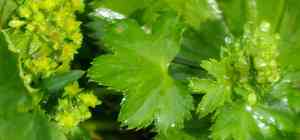
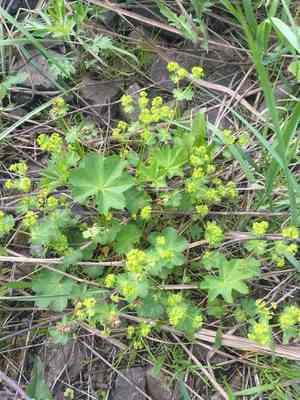
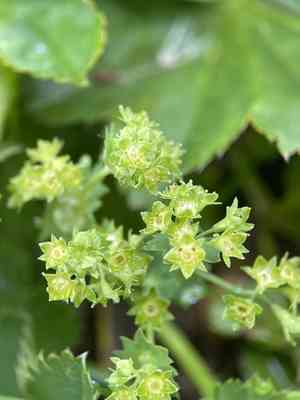
Identifying Alchemilla filicaulis can be done by looking for its distinctively lobed, fan-shaped leaves with serrated edges and the small, yellow-green clusters of flowers that bloom from late spring to early summer.
Scientific Classification of Thinstem lady's mantle
Phylum
Vascular plants
Class
Dicotyledons
Order
Rosales
Family
Rose
Genus
Lady's mantles
Species
Thinstem lady's mantle
Planting and Growing of Thinstem lady's mantle
Care Difficulty
Moderate
Watering Schedule
Every 2 days
Sunlight Requirements
Partial sun
Sunshine Duration
6-10 hours
Ideal Temperature
60-75℉
Soil Type
Potting Mix, Peat Mix
Soil pH
6.5-7.5
Fertilizer Type
Balanced
Pruning Season
Spring, Summer
Pruning Area
Branches, Leaves
Pruning Frequency
2 times a year
Repotting Season
Spring
Pot Type
Plastic, Terracotta
 How to Water Thinstem lady's mantle?
For Alchemilla filicaulis, watering should be light to moderate. Ensure that the soil is moistened but not drenched, roughly 200ml at a time, depending on the current environmental conditions and the drainage of the soil.
What are the symptoms of an underwatered Thinstem lady's mantle?
›
What should I do if my Thinstem lady's mantle is not getting enough water?
›
What are the symptoms of an overwatered Thinstem lady's mantle?
›
How to save an overwatered Thinstem lady's mantle?
›
 What Are the Sunlight Requirements for Thinstem lady's mantle?
Alchemilla filicaulis prefers partial sun, flourishing best with four to six hours of daily sun exposure. Adequate light promotes vigorous growth, vibrant foliage, and boosts overall plant health and resilience.
What is the preferred light intensity?
›
How can I achieve the best light conditions?
›
What benefits do ideal light conditions provide?
›
 What Is the Ideal Temperature Range for Thinstem lady's mantle?
The ideal temperature range for Alchemilla filicaulis lies between 60°F to 75°F. This range offers optimal conditions for its growth, allowing the plant to thrive without experiencing stress induced by temperature extremes. In this range, photosynthesis and other metabolic processes function efficiently, contributing to healthy foliage and potentially vibrant flowering.
 What Soil is Best for Thinstem lady's mantle?
Alchemilla filicaulis thrives in soils that maintain moderate moisture levels without becoming waterlogged. This promotes healthy root growth and vibrant foliage. This plant benefits from a fertile soil enriched with organic matter, supporting its lush growth and abundant flowering. While moisture is essential, good drainage prevents root rot, ensuring the plant remains healthy and able to flourish.
 How to Fertilize Thinstem lady's mantle?
For Alchemilla filicaulis, it is vital to use a balanced fertilizer with an NPK ratio of roughly 10-10-10. When using liquid fertilizer, diluting it to half the recommended strength is advisable to avoid nutrient burn. A dose of about 1 tablespoon per gallon of water is often sufficient.
 How to Prune Thinstem lady's mantle?
Begin by assessing your plant's overall shape. Use sharp pruning shears to remove any dead or damaged leaves, cutting close to the base of the plant. Trim back the flower stems after blooming to encourage new growth and prevent self-seeding. If the plant becomes too dense or large, thin it out by cutting back some stems completely to improve airflow and sunlight penetration. After pruning, water the plant well to help it recover from the stress of pruning. Apply a balanced fertilizer to promote healthy growth. Monitor the plant for any signs of pest or disease as they are more vulnerable right after pruning, and take action as needed to keep your plant healthy and thriving.
More About Pruning Techniques→
 How to Propagate Thinstem lady's mantle plant?
1
Sow seeds in trays filled with a seed-starting mix. Keep the tray in a bright, warm area, but avoid direct sunlight until seedlings emerge. Dampen the soil gently as it dries out to promote germination.
2
In early spring or autumn, dig up established Alchemilla filicaulis plants. Use a sharp knife or spade to divide the root ball into smaller sections, ensuring each section has roots and foliage. Replant the divisions at the same depth as the original plant.
3
Both seeds and divisions need consistent moisture to establish. Water gently but regularly to keep the soil moist but not waterlogged. Mulching around new divisions helps retain soil moisture and suppress weeds.
 How to Repot Thinstem lady's mantle plant?
1
Alchemilla filicaulis shows signs it's ready for repotting when you see roots starting to crawl out of the pot drainage holes, or when the growth appears stunted despite ideal conditions. Another signal is if the soil dries out too quickly after watering. These are cues that it's outgrowing its space and requires repotting for optimal health.
2
Select a pot that is approximately 2 inches larger in diameter than the current one. This encourages healthy root development without causing too much stress from an abrupt jump to a larger space. A pot with drainage holes is crucial to prevent water accumulation, which can lead to root rot.
3
Opt for a loamy, well-draining soil mix. This particular blend ensures that water drains effectively while retaining enough moisture for the plant to thrive. The balanced texture of loam also supports root expansion, providing necessary aeration and structural support.
Learn More About Thinstem lady's mantle Diseases
Anthracnose
Bacterial Leaf Spot
Bacterial Soft Rot
Crown Gall
Cyst Nematode
Damping-off
Downy Mildew
Drought Stress
Fusarium Wilt
Gray Mold
Leaf Curl
Leaf Spot
Mosaic
Nutrient Deficiency
Nutrient Toxicity
Powdery Mildew
Root Rot
Root-knot Nematode
Rusts
Sooty Mold
Spider Mites
Temperature Stress
Thrips Damage
White Mold
Chemical Injury



