How to Prune Rock bent?
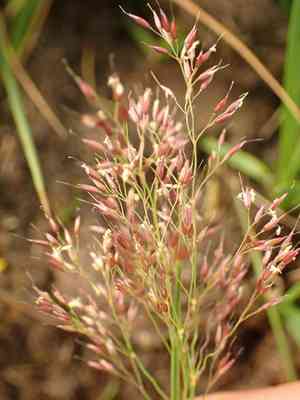
Rock bent, recognized for its delicate leaves and hardiness, thrives best with trimming in early spring or late winter. Start by eliminating any deceased or injured stalks to encourage robust development. Gently cut back areas that have become too large to preserve its form and deter uncontrolled expansion. Performing this maintenance during these periods corresponds with its natural development, assisting in recuperation and strong re-growth. Routine trimming also improves air movement, lowering the chance of illness. Ongoing attention guarantees the plant's full, appealing look.
What Are the Benefits of Pruning Rock Bent?
What Are the Benefits of Pruning Rock Bent?
Trimming rock bent promotes robust development and helps maintain its form. Consistent trimming eliminates weak or damaged stems, enhancing overall plant vitality and look. It also improves air circulation, lowering the risk of pests and diseases.
What Is the Best Time for Pruning Rock Bent?
What Is the Best Time for Pruning Rock Bent?
Early spring and late winter are considered ideal for trimming rock bent because, during these periods, the plant is in a dormant or near-dormant state. This minimizes the chance of excessive bleeding or sap loss. Additionally, trimming at this time encourages healthy new growth when the growing season begins. Performing trimming during these seasons also reduces the risk of disease and pest infestation, which are less active in colder weather. This timing aligns with the plant's natural growth cycle, ensuring it can recover and thrive effectively.
What Tools Do I Need to Prune Rock Bent?
Hand Shears
Perfect for trimming small areas and making precise cuts without causing extensive harm to rock bent.
Grass Shears
Excellent for shaping and maintaining the tidy appearance of rock bent due to their design for cutting grass-like plants.
Hedge Clippers
Useful for larger-scale trimming of rock bent, allowing for efficient cutting of bigger sections and maintaining overall shape.
Rake
Crucial for clearing clippings and debris after trimming rock bent, ensuring the area stays neat and free from potential diseases.
How to Prune Rock Bent
Assess
Examine the plant rock bent thoroughly to identify any diseased or withered leaves that require removal.
Tools
Prepare sanitized trimming shears to prevent the spread of any potential disease.
Trim Diseased
Carefully remove any diseased leaves, cutting as close to the base as possible without harming healthy tissues.
Trim Withered
Remove withered leaves, ensuring all dead and decaying parts are gone to encourage healthy new growth.
Dispose
Properly discard all trimmed parts to prevent disease from spreading back to the plant.
Common Pruning Mistakes with Rock Bent
Over-Pruning
Some gardeners tend to remove too much foliage or too many stems at once, weakening rock bent and reducing its vigor.
Improper Cutting Technique
Using dull or dirty tools can cause ragged cuts that make rock bent susceptible to diseases and pests.
Ignoring Plant Health
Trimming plants that are stressed or unhealthy can worsen their issues, leading to slower recovery or even plant death.
Neglecting Sharp Tools
Failing to keep trimming shears sharp can result in uneven cuts that harm rock bent.
Uniform Pruning
Trimming all parts of rock bent uniformly without regard to growth patterns or plant shape can lead to an unattractive and poorly structured plant.
Common Pruning Tips for Rock Bent
Use Clean, Sharp Tools
Always ensure your trimming shears are clean and sharp to make precise cuts and avoid introducing diseases.
Target Dead or Diseased Parts
Focus on removing any dead, damaged, or diseased stems and foliage first to redirect the plant's energy to healthy growth.
Make Clean Cuts
Always cut at a slight angle just above a leaf node or bud to encourage healthy regrowth and maintain the plant's natural shape.
Prune Strategically
Remove no more than a third of the plant's growth at one time. This prevents stress and allows rock bent to recover quickly.
Monitor and Adjust
Regularly monitor the plant's response to trimming and adjust techniques accordingly to ensure continued health and vitality.



