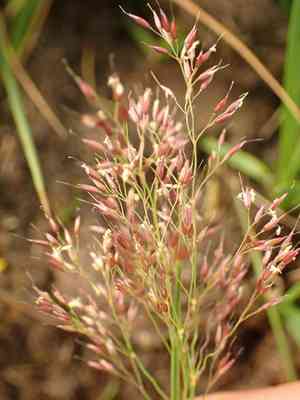
Rock bent (Agrostis rupestris)
Also known as: Mountain Bent, Alpine Bent, Highland Bent
The Rock Bouquet Grass is a perennial hemicryptophyte that develops in compact, dense clumps. It has minimal or no subterranean foothills and few scales. The renewal shoots arise from within the lowest leaf sheaths.
In This Article
Attributes of Rock bent
Lifespan
Perennial
Plant Height
10-30 cm
Spread
N/A
Leaf Color
Green
Flower Size
1-3 mm
Flower Color
Pale green to purple
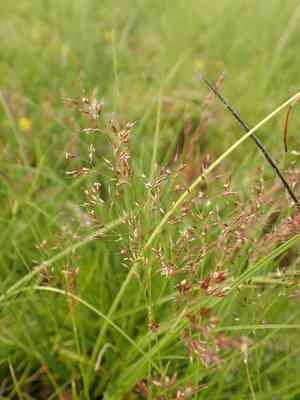
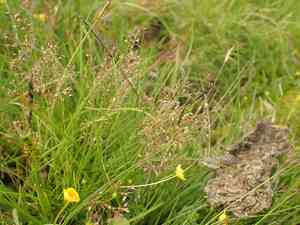
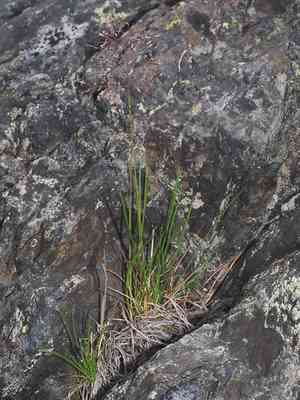
Images of Rock bent
Quickly Identify Rock bent
1
Agrostis rupestris can be identified by its fine, wiry stems and narrow leaves. It typically features a loose, open panicle with small spikelets. It often grows in tufts and has a distinctive appearance compared to other grasses due to its ability to thrive in rocky areas.
Scientific Classification of Rock bent
Phylum
Vascular plants
Class
Monocotyledons
Order
Poales
Family
Grass
Genus
Bentgrass
Species
Rock bent
Planting and Growing of Rock bent
Care Difficulty
Moderate
Watering Schedule
Every 2 days
Sunlight Requirements
Partial sun
Sunshine Duration
4-8 hours
Ideal Temperature
50-68℉
Soil Type
Potting Mix, Peat Mix
Soil pH
5.5-6.5
Fertilizer Type
Balanced
Pruning Season
Spring, Summer
Pruning Area
Branches, Leaves
Pruning Frequency
2 times a year
Repotting Season
Spring
Pot Type
Plastic, Ceramic
 How to Water Rock bent?
Agrostis rupestris prefers light watering, ensuring the soil is barely moist but not overly saturated. Ideally, provide around 150 milliliters each time, making sure excess water drains away to prevent root rot.
What are the symptoms of an underwatered Rock bent?
›
What should I do if my Rock bent is not getting enough water?
›
What are the symptoms of an overwatered Rock bent?
›
How to save an overwatered Rock bent?
›
 What Are the Sunlight Requirements for Rock bent?
Partial sun conditions allow Agrostis rupestris to grow efficiently, enabling healthy turf development with strong roots. The ideal light nurtures its photosynthetic process, encouraging a vibrant green coloration and a robust growth habit.
Ideal Location
›
Solution for Best Growth
›
Benefits of Ideal Light
›
 What Is the Ideal Temperature Range for Rock bent?
For optimal growth, Agrostis rupestris thrives in temperatures ranging from 50°F to 68°F. This range allows the plant to maintain efficient metabolic processes and promotes healthy growth. Sticking to this range ensures that the plant can allocate resources effectively to its root and shoot systems.
 What Soil is Best for Rock bent?
Agrostis rupestris thrives in soils that retain moisture well. A loamy, acidic soil ensures that roots are neither too dry nor too wet, optimizing nutrient uptake and promoting healthy growth. The plant prefers soils rich in organic matter, which supply essential nutrients such as nitrogen and phosphorus. Rich soils support lush growth and dense foliage, crucial for the plant's survival in its native habitats. Adequate soil aeration is important to prevent root diseases. Loamy soils provide an ideal structure that balances water retention with necessary air gaps, aiding respiration and preventing fungal infections.
 How to Fertilize Rock bent?
For Agrostis rupestris, it's crucial to avoid over-fertilization. Use a balanced 10-10-10 liquid fertilizer diluted to half strength, and apply approximately 250 ml per square meter during each session for optimal growth.
 How to Prune Rock bent?
Begin by examining the overall health of the Agrostis rupestris. Look for any signs of disease or pest activity and remove affected areas first. Cut back excess growth, focusing on shaping the plant to ensure even coverage across the garden bed. This will help maintain the aesthetic appeal and vigor of the grass. After pruning, collect and remove all grass clippings to prevent the spread of any diseases or pests that might be present. Compost the clippings if they're free from diseases.
More About Pruning Techniques→
 How to Propagate Rock bent plant?
1
Ensure the planting medium is well-draining yet retains moisture. A mix of peat and sand is suitable, as it provides a soft bed for rooting and supports young plants through initial growth phases.
2
Scatter seeds on the soil surface, covering lightly with a thin layer of soil. Ensure consistent moisture without waterlogging to promote successful germination. This will encourage even growth and reduce the risk of fungal issues.
3
Carefully lift the clump from its container or garden with a spade, ensuring minimal root damage. Cut through the root ball with a sharp knife or spade to create multiple sections, each with a healthy root system.
 How to Repot Rock bent plant?
1
Agrostis rupestris signals its need for repotting when its roots protrude from the drainage holes, or growth noticeably slows. Spring and summer are optimal, offering warmer temperatures and encouraging active root growth.
2
Select a pot slightly larger than the current one with ample drainage holes to prevent waterlogging. This ensures healthy root expansion and reduces the risk of root rot, offering your plant a comfortable environment to thrive.
3
Opt for a well-draining soil mix with light texture, enhanced with organic matter. It helps in maintaining moisture balance, preventing waterlogging while supporting essential nutrient absorption, crucial for healthy Agrostis rupestris growth.



