How to Prune Mapunyao?
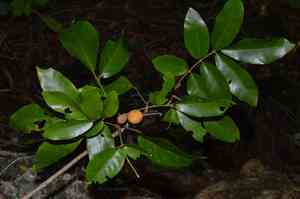
Mapunyao is distinguished by its thick, compact development and vivid leaves. Trimming ought to be performed in late winter or early spring to stimulate strong new development and preserve its form. Eliminate deceased or ailing branches, reduce congested sections, and cut back any shoots that detract from the plant's inherent shape. Consistent trimming improves air movement, lowers the likelihood of pests and illnesses, and fosters a more robust, energetic plant.
Advantages of Trimming Mapunyao
Advantages of Trimming Mapunyao
For mapunyao, trimming encourages robust development, maintains an appealing form, and keeps the plant within manageable dimensions. Trimming also aids in increasing light penetration and air circulation, thereby lowering the risk of pests and diseases, and improving overall vitality.
Optimal Period for Trimming Mapunyao
Optimal Period for Trimming Mapunyao
Trimming mapunyao during early spring or late winter is ideal as this period aligns with the plant's dormant phase, minimizing stress and disease risk. During dormancy, mapunyao is not actively growing, which allows cuts to heal more effectively before the vigorous growth period begins. This timing also prepares mapunyao to produce stronger new growth and enhances blooming or fruiting when the growing season commences.
Necessary Tools for Trimming Mapunyao
Hand Pruners
Essential for making precise cuts on young branches and small stems of mapunyao. These are perfect for clean cuts that promote healthy regrowth.
Lopping Shears
Useful for cutting thicker branches that exceed the capacity of hand pruners. The long handles provide additional leverage, simplifying the trimming of larger limbs of mapunyao.
Pruning Saw
Required for cutting the thickest branches on mapunyao. This tool is necessary to ensure that larger branches are removed cleanly without harming the plant.
Pole Pruner
This tool helps reach higher branches safely without needing a ladder. Ideal for routine upkeep and shaping the upper structure of mapunyao.
Bypass Pruners
Specific type of hand pruner that uses a scissor-like action for cleaner cuts, reducing the risk of crushing the branches of mapunyao.
How to Trim Mapunyao
Inspect
Examine mapunyao thoroughly to identify dead and diseased branches. Look for branches that appear dry, brittle, or show signs of disease such as discoloration or fungal growth.
Sanitize
Clean and sterilize your trimming tools to prevent the spread of disease. Use a solution of one part bleach to nine parts water or rubbing alcohol.
Remove dead branches
Using sanitized sharp shears, cut dead branches back to the main stem or healthy wood. Make clean cuts to promote quicker healing.
Remove diseased branches
Cut away diseased branches at least 6 to 12 inches below the affected area to ensure complete removal of the disease. Dispose of cuttings safely to prevent contamination.
Dispose waste
Properly discard all removed branches and cuttings. Do not compost diseased materials; instead, place them in sealed bags for disposal or burn them if allowed by local regulations.
Common Trimming Errors with Mapunyao
Over-pruning
Removing too much foliage or stems at once can stress mapunyao, leading to poor growth and reduced flowering.
Incorrect cuts
Making improper cuts, such as leaving stubs or cutting too close to buds or the trunk, can invite disease and hinder healing.
Poor tool maintenance
Using dirty or blunt trimming tools can damage plant tissue and spread diseases.
Pruning at the wrong time
Trimming at an inappropriate stage of the plant's growth cycle can disrupt development and flowering.
General Trimming Advice for Mapunyao
Use sharp tools
Always use clean, sharp trimming tools to make precise cuts and reduce the risk of infection.
Cut at the right angle
Make cuts at a 45-degree angle, just above a bud, to promote healthy new growth.
Remove dead or diseased wood
Regularly check for and remove any dead, diseased, or damaged wood to maintain plant health.
Thin out dense growth
Reduce overcrowding by selectively removing stems or branches that crisscross or rub against each other, enhancing air circulation.
Practice patience
Avoid aggressive trimming; instead, make gradual cuts over time to shape mapunyao and encourage natural growth patterns.



