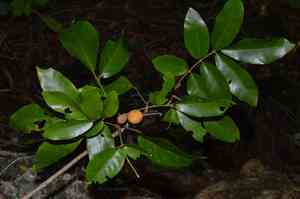
Mapunyao (Aglaia mariannensis)
Also known as: Mariana aglaia, Chamorro tree
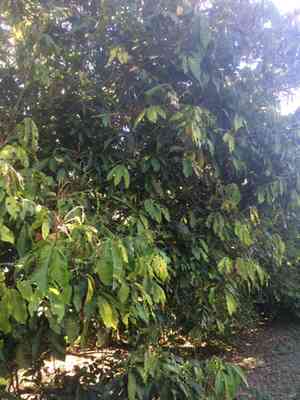
Mapunyao is a tropical evergreen plant noted for its resilience and compact growth habit. It features a dense canopy of glossy, dark green leaves, which help it maintain moisture and withstand the humid conditions of its environment. Occasionally, mapunyao produces small, fragrant yellow flowers, which eventually give way to unobtrusive fruit that serves as a food source for local wildlife. The plant is well-adapted to thrive under the shade provided by taller trees, making efficient use of the limited sunlight available in dense forest settings.
In This Article
Attributes of Mapunyao
Lifespan
Perennial
Plant Type
Tree
Plant Height
10-20 meters
Spread
6-12 meters
Leaf Color
Dark green
Flower Size
0.5-1 cm
Flower Color
Yellowish
Images of Mapunyao
Quickly Identify Mapunyao
1
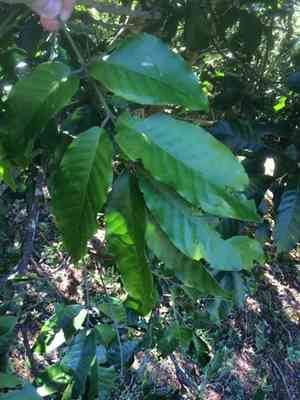
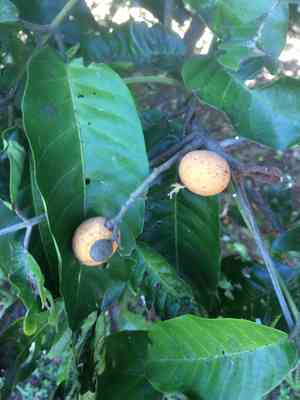
Aglaia mariannensis can be identified by its glossy, dark green leaves that are pinnately compound, and by its small, yellowish flowers that are highly fragrant. The tree produces small, bright yellow to orange fruits.
Scientific Classification of Mapunyao
Phylum
Vascular plants
Class
Dicotyledons
Order
Sapindales
Family
Mahogany
Genus
Chinese Perfume Plant
Species
Mapunyao
Planting and Growing of Mapunyao
Care Difficulty
Hard
Watering Schedule
Every 2 days
Sunlight Requirements
Partial sun
Sunshine Duration
4-6 hours
Ideal Temperature
68-77℉
Soil Type
Potting Mix, Peat Mix
Soil pH
6.5-7.5
Fertilizer Type
Balanced
Pruning Season
Spring, Summer
Pruning Area
Branches, Leaves
Pruning Frequency
2 times a year
Repotting Season
Spring
Pot Type
Plastic, Ceramic
 How to Water Mapunyao?
Aglaia mariannensis requires approximately 250 ml of water per session. Ensure the soil is evenly moist but not waterlogged, adhering to a moist yet well-drained principle. The aim is to maintain consistent moisture without allowing the plant to sit in water.
What are the symptoms of an underwatered Mapunyao?
›
What should I do if my Mapunyao is not getting enough water?
›
What are the symptoms of an overwatered Mapunyao?
›
How to save an overwatered Mapunyao?
›
 What Are the Sunlight Requirements for Mapunyao?
Aglaia mariannensis thrives in partial sunlight, ideally receiving 2-6 hours of soft sunlight daily. This balance ensures healthy foliage, vibrant leaf pigmentation, and consistent growth patterns.
What is the best light condition for Aglaia mariannensis?
›
How can you ensure Aglaia mariannensis gets its ideal light?
›
What are the benefits of optimal lighting for Aglaia mariannensis?
›
 What Is the Ideal Temperature Range for Mapunyao?
The ideal temperature range for Aglaia mariannensis is between 68°F and 77°F. This range ensures optimal growth, enabling the plant to maintain healthy cellular functions and photosynthesis rates. Within this range, the plant thrives with balanced humidity and light exposure, leading to lush foliage and robust growth. Maintaining these temperatures aids in preventing stress and potential diseases, allowing the plant to flourish in a controlled environment.
 What Soil is Best for Mapunyao?
Aglaia mariannensis thrives best in well-drained soils that prevent root waterlogging, which can lead to root rot and other water-related issues. A well-drained soil supports healthy root development and robust growth. Rich, loamy soils that supply essential nutrients are ideal. This type of soil ensures that the plant receives a steady supply of nutrients necessary for its growth and flowering, promoting vibrant foliage and fruit production. While drainage is crucial, the soil should also retain some moisture to keep the plant hydrated. This balance helps maintain consistent moisture levels, supporting sustained plant growth and reducing stress.
 How to Fertilize Mapunyao?
Aglaia mariannensis benefits from moderate fertilizer application. For liquid fertilizer, dilute the solution to half the recommended strength on the package. For slow-release fertilizers, use about 50 grams spread evenly over the soil surface. Ensure not to exceed these amounts to avoid nutrient burn.
 How to Prune Mapunyao?
Start by inspecting the plant for any dead or damaged branches. Use sharp pruning shears to cut these back to healthy growth. Focus on maintaining the natural shape by removing any awkwardly placed branches. Aim to create an open structure that allows for sunlight penetration and air circulation. Make clean cuts near a bud or a leaf node, angling the cut slightly to prevent water from pooling on the cut surface. Regular pruning also helps control the plant size, promoting a more compact and aesthetically pleasing form. Aglaia mariannensis benefits from shaping to maintain its ornamental appeal. Trim away excess growth from the ends of branches to maintain a desirable size. Cut at a 45-degree angle to a bud facing outward, encouraging the plant to grow in a desired direction. Shaping should be gentle and take into consideration the plant's natural form to avoid over-pruning, which can stress the plant.
More About Pruning Techniques→
 How to Propagate Mapunyao plant?
1
Select healthy, semi-hardwood sections of the plant during spring or early summer. Cut each stem at a 45-degree angle to increase the surface area for rooting, ensuring each cutting has at least two leaves.
2
Collect seeds from mature Aglaia mariannensis fruits. Clean off any pulp and soak the seeds in water overnight to hasten germination. Seeds should be sown in well-drained soil and kept consistently moist.
3
For both seed and cutting propagation, use a mixture of peat and sand as the growing medium. Insert the cuttings into this mixture or sow the seeds beneath a thin layer of soil, ensuring consistent, moderate moisture.
 How to Repot Mapunyao plant?
1
Aglaia mariannensis should be repotted when you notice roots coming out of the drainage holes or the soil doesn't retain moisture as well. Also, if the plant appears stunted despite optimal care, it's a good indicator that repotting is needed. Typically, repot in spring or early summer when the plant is actively growing.
2
Choose a pot that is only slightly larger than the current one. It should have good drainage holes to prevent waterlogging, which can lead to root rot. A slightly larger pot helps provide the roots with more space to grow but ensures the plant doesn't have too much soil that retains excess moisture.
3
Select a well-draining potting mix that includes components like perlite or pumice. These materials enhance aeration and drainage, preventing the roots from sitting in water. This type of soil closely mimics the plant's natural habitat, promoting healthier and stronger growth.
Learn More About Mapunyao Diseases
Anthracnose
Bacterial Leaf Spot
Bacterial Soft Rot
Bacterial Wilt
Black Spot
Chemical Injury
Crown Gall
Damping-off
Downy Mildew
Drought Stress
Fusarium Wilt
Gray Mold
Leaf Spot
Mosaic
Nutrient Deficiency
Nutrient Toxicity
Powdery Mildew
Root Rot
Root-knot Nematode
Sooty Mold
Spider Mites
Temperature Stress
Thrips Damage
White Mold



