How to Prune Flat-top whiteweed?
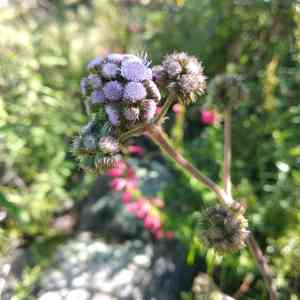
Flat-top whiteweed is a dense, enduring plant recognized by its level groupings of tiny white blossoms. Trim flat-top whiteweed during the latter part of winter or early spring to stimulate fresh development and preserve its form. Initially, eliminate any lifeless or compromised stems, then shorten healthy branches by roughly one-third. Consistent trimming enhances air movement and diminishes the likelihood of illness. Verify that cuts are precise and executed directly above a leaf joint for superior regeneration.
What Are the Benefits of Pruning Flat-top Whiteweed?
What Are the Benefits of Pruning Flat-top Whiteweed?
Trimming flat-top whiteweed encourages robust development, aids in form retention, and boosts vitality. Regular trimming of flat-top whiteweed also lowers disease risk and manages size, ensuring a strong and visually appealing plant.
What Is the Best Time for Pruning Flat-top Whiteweed?
What Is the Best Time for Pruning Flat-top Whiteweed?
Trimming flat-top whiteweed during late winter and early spring is optimal as it coincides with its dormant phase. This timing allows the plant to direct its energy towards new growth once the active season commences. Dormant trimming minimizes stress and reduces disease susceptibility, leading to a healthier plant. Furthermore, pruning before new growth emerges fosters better structure and more abundant blooms during the flowering period.
What Tools Do I Need to Prune Flat-top Whiteweed?
Bypass Pruners
Ideal for precise cuts on living stems and branches, ensuring clean cuts that minimize harm to the plant.
Anvil Pruners
Useful for cutting through tougher, dead stems. These provide a strong squeeze that helps manage thicker sections of flat-top whiteweed.
Pruning Shears
Perfect for smaller, delicate trims and detailed work, allowing for greater control and accuracy on flat-top whiteweed.
Loppers
Effective for reaching deeper into the plant's foliage and cutting through thicker branches that are difficult to access with hand pruners.
How to Prune Flat-top Whiteweed
Inspection
Carefully examine flat-top whiteweed to identify any diseased or withered leaves. Use a magnifying glass if needed to detect early signs of illness or decay.
Tools
Gather clean, sharp pruning shears. Sanitize the blades with rubbing alcohol to prevent the spread of disease among the plant parts.
Remove diseased leaves
Begin by removing any diseased leaves, cutting them off at their base. Make precise cuts close to the stem without harming healthy tissues.
Remove withered leaves
Next, remove withered leaves by cutting them at the point where they connect to healthy growth. Ensure to dispose of these leaves properly to prevent any potential spread of disease.
Final check
Conduct a final check to ensure all diseased and withered leaves have been removed. If any cuts are made on stems, consider applying a fungicidal spray to protect against infection.
Common Pruning Mistakes with Flat-top Whiteweed
Over-pruning
Cutting too much of the plant can stress flat-top whiteweed and hinder its blooming potential. Removing more than a third of the plant at a time is generally too aggressive.
Incorrect cuts
Making improper cuts, such as jagged or uneven ones, can leave flat-top whiteweed vulnerable to disease and pests. Always use sharp, clean tools.
Timing errors
Pruning at inappropriate times can negatively affect the growth cycle and flowering of flat-top whiteweed. Always be aware of the plant's growth stages before pruning.
Ignoring dead or diseased parts
Overlooking the removal of dead, damaged, or diseased parts can harm the overall health of flat-top whiteweed. It is crucial to regularly inspect and remove these parts.
Common Pruning Tips for Flat-top Whiteweed
Use sharp tools
Ensure all cutting tools are sharp and sanitized to make clean cuts and prevent the spread of disease.
Prune for shape
Trim flat-top whiteweed to maintain a balanced and aesthetically pleasing shape, promoting even growth and preventing overcrowding.
Remove spent flowers
Deadhead regularly by removing spent flowers to encourage continuous blooming and prevent the plant from going to seed early.
Focus on health
Cut back any dead, damaged, or diseased stems promptly to maintain the overall health of flat-top whiteweed and redirect energy to healthy parts of the plant.
Light pruning
Opt for light, gradual pruning throughout the growing season to avoid over-stressing flat-top whiteweed and to manage its growth more effectively.


