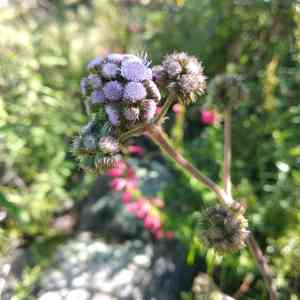
Flat-top whiteweed (Ageratum corymbosum)
Also known as: Tropical Whiteweed, Ageratum
Ageratum, also known as floss flower, is a perennial plant recognized for its soft, hairy leaves and clusters of small, fluffy blue flowers. Preferring well-drained soil and partial shade, Ageratum tends to flourish more in cooler climates. Its dense, corymbose flower clusters are particularly attractive to butterflies, making it an appealing choice for garden borders or as groundcover.
In This Article
Attributes of Flat-top whiteweed
Lifespan
Annual
Plant Type
Herb
Plant Height
1 to 3 feet
Spread
1 to 2 feet
Leaf Color
Green
Flower Size
1 to 2 inches
Flower Color
Blue, Pink, White
Images of Flat-top whiteweed
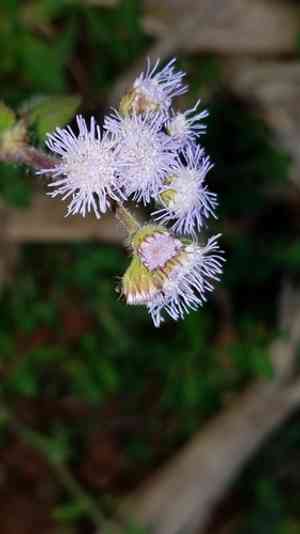
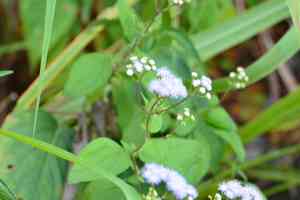
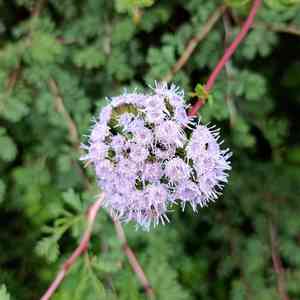
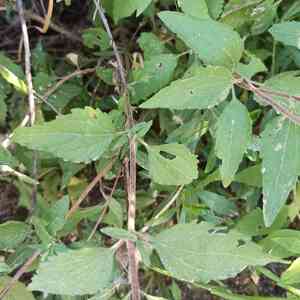
Quickly Identify Flat-top whiteweed
1
Identifying Ageratum corymbosum involves looking for its distinctive fluffy flower clusters. The leaves are ovate, slightly hairy, and have serrated edges. The plant typically forms a dense mat of foliage.
Scientific Classification of Flat-top whiteweed
Phylum
Vascular plants
Class
Dicotyledons
Order
Asterales
Family
Daisy
Genus
Whiteweed
Species
Flat-top whiteweed
Planting and Growing of Flat-top whiteweed
Care Difficulty
Moderate
Watering Schedule
Every 4 days
Sunlight Requirements
Partial sun
Sunshine Duration
4-6 hours
Ideal Temperature
65-75℉
Soil Type
Potting Mix, Peat Mix
Soil pH
6.5-7.5
Fertilizer Type
Balanced
Pruning Season
Spring, Summer
Pruning Area
Branches, Leaves
Pruning Frequency
2 times a year
Repotting Season
Spring
Pot Type
Ceramic, Plastic
 How to Water Flat-top whiteweed?
For Ageratum corymbosum, each watering session should supply about 250 ml of water. This should be enough to moisten the soil thoroughly without causing oversaturation. Always ensure that the soil is well-drained to prevent water from standing.
What are the symptoms of an underwatered Flat-top whiteweed?
›
What should I do if my Flat-top whiteweed is not getting enough water?
›
What are the symptoms of an overwatered Flat-top whiteweed?
›
How to save an overwatered Flat-top whiteweed?
›
 What Are the Sunlight Requirements for Flat-top whiteweed?
Partial sun exposure of 4-6 hours promotes optimal growth. This light range supports photosynthesis without overwhelming the plant, leading to lush foliage and encouraging prolific blooming, enhancing the plant’s aesthetic appeal and stability.
What is the best lighting condition for Ageratum corymbosum?
›
How can I achieve the ideal lighting conditions?
›
What benefits does ideal light provide Ageratum corymbosum?
›
 What Is the Ideal Temperature Range for Flat-top whiteweed?
The ideal temperature range for Ageratum corymbosum is between 65°F and 75°F. This range supports optimal physiological processes such as photosynthesis and respiration, crucial for its growth and flowering. Maintaining this range helps in the prevention of stress and encourages robust development.
 What Soil is Best for Flat-top whiteweed?
Ageratum corymbosum thrives best in well-drained soil, allowing the roots to access oxygen and avoid becoming waterlogged. This leads to a healthier plant with robust growth and vibrant blooms, as waterlogged soil can cause root rot which severely impacts the plant's health. This plant favors soil with moderate fertility levels. Too much richness in nutrients can result in excessive foliage growth but fewer flowers, while poor soil may stunt overall growth, compromising the plant's vibrancy. Though well-drained, the soil should retain adequate moisture to support the plant's water needs without drying out too quickly. Consistent moisture availability promotes sustained growth, crucial during active blooming periods.
 How to Fertilize Flat-top whiteweed?
Ageratum corymbosum requires careful attention to fertilization to thrive. The recommended amount for liquid fertilizer is approximately half of the standard concentration, applied biweekly. For slow-release fertilizers, apply them at the start of the growing season at a rate of 2 kilograms per 10 square meters.
 How to Prune Flat-top whiteweed?
Begin by inspecting your Ageratum corymbosum for any dead or damaged stems. Using clean pruning shears, cut these back to the base. Next, focus on areas where the plant looks too dense or unruly. Trim back these sections to maintain a uniform shape, ensuring adequate airflow and light penetration throughout the plant. After your initial trimming, continue to monitor the plant in the coming weeks. Look for areas where new growth is needed and selectively pinch back the tips. This encourages your Ageratum corymbosum to become bushier and produce more flowers, enhancing its decorative appeal in the garden.
More About Pruning Techniques→
 How to Propagate Flat-top whiteweed plant?
1
Select healthy stems and use garden shears to cut 4-6 inch segments. Remove leaves from the lower third of the cutting to reduce moisture loss and encourage root formation.
2
Dip the cut end of each cutting into the rooting hormone. This step is crucial as it stimulates root growth, increasing the chances of successful propagation.
3
Place the treated cuttings into a pot filled with a well-draining potting mix. It is important to ensure the cuttings are inserted at least an inch deep into the soil.
 How to Repot Flat-top whiteweed plant?
1
Ageratum corymbosum requires repotting when roots start circling the pot's base or when growth becomes sluggish. Spring and autumn are ideal seasons as the plant enters active growth phases, allowing roots to establish in new soil.
2
Select a pot slightly larger than the current one to prevent overwatering and provide space for root growth. Clay pots are ideal for their breathability, promoting healthy root aeration and preventing soil moisture buildup.
3
A well-draining loamy mix is essential for Ageratum corymbosum, ensuring adequate drainage and preventing root rot. Incorporate organic matter like perlite for improved aeration, benefiting the plant's overall root health.
Toxicity
ingestion, contact
WARNING
The judgment on toxicity and danger is for reference only. We DO NOT GUARANTEE any accuracy of such judgment. Therefore, you SHALL NOT rely on such judgment. It is IMPORTANT TO SEEK PROFESSIONAL ADVICE in advance when necessary.
Learn More About Flat-top whiteweed Diseases
Anthracnose
Bacterial Leaf Spot
Bacterial Soft Rot
Bacterial Wilt
Black Spot
Chemical Injury
Crown Gall
Cyst Nematode
Damping-off
Downy Mildew
Drought Stress
Fusarium Wilt
Gray Mold
Leaf Spot
Mosaic
Nutrient Deficiency
Nutrient Toxicity
Powdery Mildew
Root Rot
Root-knot Nematode
Rusts
Sooty Mold
Spider Mites
Temperature Stress
Thrips Damage
White Mold


