How to Prune Mottled tuberose?
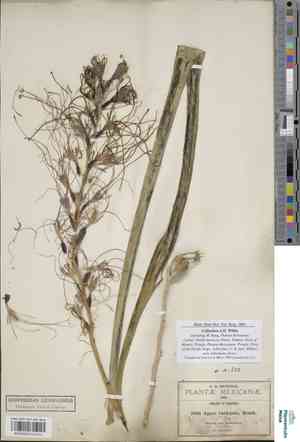
Mottled tuberose flourishes with little upkeep, distinguished by its impressive variegated foliage. Trimming ought to occur from late winter to early spring to stimulate vigorous development. Eliminate any withered or compromised leaves and snip back flower stems after flowering to preserve a neat look. Pruning additionally aids in deterring pest outbreaks. Due to its gradual growth, refrain from excessive cutting to guarantee the plant keeps its inherent shape and strength. Consistent examination is crucial for peak well-being.
What Are the Advantages of Trimming Mottled Tuberose?
What Are the Advantages of Trimming Mottled Tuberose?
Mottled tuberose benefits from trimming by promoting robust growth and maintaining its form. Pruning encourages healthy development, manages size, and improves overall appearance. It aids in pest and disease resistance, ensuring the plant stays strong and flourishing.
When Is the Optimal Time for Pruning Mottled Tuberose?
When Is the Optimal Time for Pruning Mottled Tuberose?
Trimming mottled tuberose during early spring and late winter ensures the plant is inactive or just starting to emerge from dormancy. This timing is ideal as it minimizes plant stress and supports healthy growth in the upcoming season. Pruning during these periods also helps avoid disrupting the flowering cycle and boosts the plant's overall vigor.
What Equipment Do I Need to Prune Mottled Tuberose?
Bypass Pruners
Perfect for precise cuts on mottled tuberose's thick, fleshy leaves without crushing plant tissues. Bypass pruners are crucial for achieving clean cuts that facilitate quicker healing.
Pruning Saw
Useful for cutting through thicker, older leaves or removing dead or damaged sections where bypass pruners may not be sufficient. A pruning saw helps manage more substantial growth with ease.
Long-handled Loppers
Excellent for reaching the base of mottled tuberose and safely cutting through denser foliage. The extended handles provide extra leverage and distance from sharp, spiny edges.
Protective Gloves
Not strictly a pruning tool but essential when handling mottled tuberose to shield hands from sharp edges and potential skin irritation.
How to Prune Mottled Tuberose
Assessment
Inspect mottled tuberose for any diseased or withered leaves. Be sure to identify leaves with discoloration, spots, or wilting.
Tool Prep
Sanitize pruning tools with a solution of one part bleach to nine parts water to prevent disease transmission.
Diseased Leaves Removal
Cut diseased leaves at their base where they connect to the main plant. Ensure clean cuts to avoid harming healthy parts.
Withered Leaves Removal
Trim withered leaves by cutting them at their base as well. Remove any leaves that are yellowing or brown.
Disposal
Discard all removed leaves immediately and do not compost them to prevent any potential spread of disease.
Common Pruning Errors with Mottled Tuberose
Over-pruning
One of the most frequent errors gardeners make with mottled tuberose is removing too many leaves and offsets, which can stress the plant and impede its growth.
Poor tool hygiene
Using uncleaned or dull tools can introduce diseases to mottled tuberose. Ensure tools are sterile and sharp before pruning.
Incorrect cutting technique
Improper cuts, such as jagged or torn edges, can invite infections or pests. Cuts should be clean and smooth.
Timing errors
Pruning at the wrong time, such as when mottled tuberose is actively growing or under environmental stress, can lead to reduced vitality.
General Pruning Advice for Mottled Tuberose
Sanitize tools
Always sterilize your pruning tools with rubbing alcohol or a bleach solution to prevent disease transmission.
Remove dead or damaged parts
Carefully cut away any dead or damaged leaves and stems to maintain plant health and aesthetics.
Limit removal to avoid stress
Only remove a small portion of the plant at a time. This prevents undue stress and allows mottled tuberose to recover more quickly.
Clean, smooth cuts
Make cuts with sharp tools to ensure clean edges, which heal faster and reduce the risk of infection.
Specific location cuts
Prune close to the base of the leaves or stems being removed without cutting into the main body of mottled tuberose.



