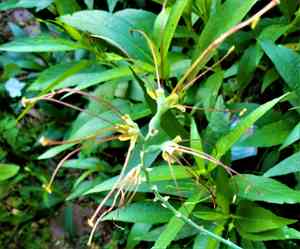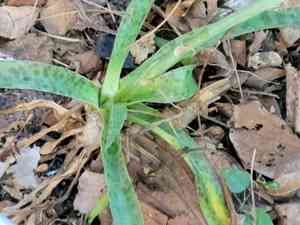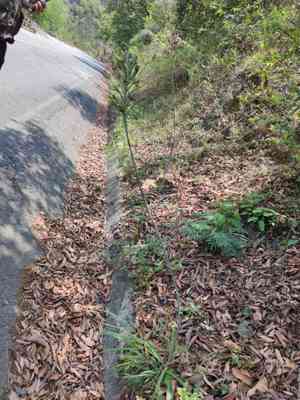
Mottled tuberose(Agave variegata)

Mottled tuberose (Agave variegata)

Also known as: Variegated Agave

The mottled tuberose, also known as Polianthes tuberosa, is notable for its elegant, fragrant, white flowers that grow from a bulb. Here are its distinctive features and environmental adaptations:

### Key Characteristics:
1. **Flowers:** The plant is famed for its highly fragrant, tubular white flowers, often used in perfumery.
2. **Growth Habit:** It typically reaches 2-3 feet in height, growing from underground bulbs.
3. **Leaves:** The leaves are long, narrow, and grass-like, providing a simple yet elegant foliage.

### Environmental Adaptations:
1. **Climate:** Prefers warm, sunny environments and is vulnerable to frost.
2. **Soil:** Best grown in well-drained, sandy, or loamy soils to prevent bulb rot.
3. **Water:** Needs regular watering but can tolerate dry periods once established.
4. **Light:** Full sun to partial shade is ideal for optimal growth and flowering.

These features and adaptations make the mottled tuberose a popular choice for ornamental gardens in temperate and tropical climates.

Attributes of Mottled tuberose

Lifespan
Perennial
Plant Type
Succulent
Plant Height
91 cm to 1.8 m
Spread
1 to 2 meters (3.3 to 6.6 feet)
Leaf Color
Green with yellow or white margins
Flower Size
20 to 30 centimeters (8 to 12 inches)
Flower Color
Yellow to green

ForwardPlant - Identify plants with a snap

Identify and diagnose plants, get toxicity alerts, and explore safety guides for all types of fungi.

Try for Free

Images of Mottled tuberose

Mottled tuberose(Agave variegata)

Quickly Identify Mottled tuberose

1
Identification of Agave variegata can be done by observing its rosette formation, where leaves emerge from a central point in a shape that resembles a large flower. The leaves are thick, fleshy, and have sharp spines along the edges and tip. The variegated pattern is a key identifier, with leaves displaying distinct coloration.

Scientific Classification of Mottled tuberose

Phylum
Vascular plants
Class
Monocotyledons
Order
Asparagales
Family
Asparagus
Genus
Agaves
Species
Mottled tuberose

Planting and Growing of Mottled tuberose

Care Difficulty
Easy
Watering Schedule
Every day
Sunlight Requirements
Full sun
Sunshine Duration
4-8 hours
Ideal Temperature
65-75℉
Soil Type
Potting Mix, Peat Mix
Soil pH
6.5-7.5
Fertilizer Type
Balanced
Pruning Season
Spring, Summer
Pruning Area
Branches, Leaves
Pruning Frequency
2 times a year
Repotting Season
Spring
Pot Type
Plastic, Ceramic

water icon How to Water Mottled tuberose?

For Agave variegata, it's crucial to allow soil to dry completely between waterings. Water deeply but sparingly; typically, 200 ml is sufficient, ensuring the water reaches the roots without causing waterlogging.
What are the symptoms of an underwatered Mottled tuberose? ›
What should I do if my Mottled tuberose is not getting enough water? ›
What are the symptoms of an overwatered Mottled tuberose? ›
How to save an overwatered Mottled tuberose? ›

sunlight icon What Are the Sunlight Requirements for Mottled tuberose?

Sunlight Requirements: Full sun, Partial sun
Duration of light: 4 to 6 hours
Agave variegata prefers a blend of full to partial sun exposure. This light range encourages optimal growth conditions, ensuring the plant develops vibrant foliage and maintains a healthy composition.
How much sunlight does Agave variegata require? ›
What is the best way to provide this light? ›
What benefits does proper sunlight provide to Agave variegata? ›

temperature icon What Is the Ideal Temperature Range for Mottled tuberose?

Ideal Temperature: 65 ~ 75℉
The optimal temperature range for Agave variegata is between 65°F and 75°F. This range ensures robust growth and maintains vibrant variegation in its leaves, promoting overall health.

soil icon What Soil is Best for Mottled tuberose?

Soil type: Sandy soil, Loam, Sandy loam
Soil PH: 6.5 ~ 7.5
Agave variegata thrives in well-draining soils which prevent waterlogging and root rot. This requirement ensures the roots receive adequate oxygen, promoting healthy growth and resilience against fungal diseases. This plant prefers nutrient-poor soils as excessive nutrients can lead to leggy growth. By maintaining a low-nutrient environment, you encourage the Agave to focus on developing strong, compact foliage instead of spindly shoots. Minimal organic matter ensures that the soil does not hold onto excessive moisture, which can be detrimental to Agave variegata. This condition helps maintain the plant's structural integrity and natural growth habits.

fertilize icon How to Fertilize Mottled tuberose?

Fertilizer type: Balanced
For Agave variegata, ensure you are using a balanced liquid fertilizer diluted to half-strength. During the active growth period in spring and summer, apply 1 teaspoon of liquid fertilizer per gallon of water. For slow-release fertilizers, use around 1-1.5 tablespoons per 12-inch pot every 6 months.

prune icon How to Prune Mottled tuberose?

Pruning Time: Spring, Summer
Start by removing any dead or damaged leaves from the base of the plant. Cut the leaves as close to the base as possible without cutting into the healthy tissue to prevent unnecessary harm to the plant. Agave variegata can spread its leaves quite widely. Trim back the outer leaves if they are encroaching on walkways or other plants. This aesthetic pruning ensures that your plant maintains its striking appearance without hindering its surroundings. To maintain a neat appearance, shape your Agave by selectively pruning the longest leaves. This helps in keeping a balanced shape and allows newer leaves to develop more effectively, enhancing the overall health and looks of the plant. More About Pruning Techniques→

propagate icon How to Propagate Mottled tuberose plant?

Propagate Time: Spring, Late spring, Early spring, Summer, Early summer
1
Before taking cuttings, ensure the parent Agave variegata plant is healthy and well-watered. This supports the cutting and increases the chance of successful propagation.
2
Using sharp shears, cut a healthy leaf or offset from the mother plant. Ensure the cut is clean to minimize injury and allow for effective healing.
3
Place the cutting in a warm, dry location out of direct sunlight. Allow the cut end to callus over, reducing the risk of rot when planted.
More About Propagating Techniques→

repot icon How to Repot Mottled tuberose plant?

Repotting frequency: Every 2-3 years
1
Agave variegata signals the need for repotting when its roots start to outgrow the container or the plant becomes top-heavy. You may also notice slowed growth or decreased water absorption. Ideally, repot in spring or summer when growth is active.
2
Select a pot with good drainage holes and a size slightly larger than the current one. A too-large pot may retain excess moisture and a too-small pot can hinder growth. Ensure the material provides stability, as agaves are top-heavy.
3
Choose a well-draining cactus soil mix to prevent root rot. The soil should contain components like sand, perlite, or pumice to mimic the plant’s natural environment. This ensures adequate drainage and root aeration.

ForwardPlant - Identify plants with a snap

Find the best spots for them to optimize their health, simply using your phone.

Try for Free

Toxicity

Ingestion, dermal contact

Identify toxic plants for your safety

Learn which plants are harmful to you and your pets, and make informed choices for a safer home!

Try for Free
WARNING
The judgment on toxicity and danger is for reference only. We DO NOT GUARANTEE any accuracy of such judgment. Therefore, you SHALL NOT rely on such judgment. It is IMPORTANT TO SEEK PROFESSIONAL ADVICE in advance when necessary.