How to Prune Goldenflower century plant?
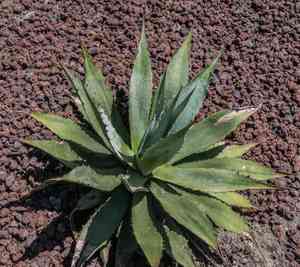
Recognized for its impressive rosette of succulent foliage and brilliant yellow blossoms, goldenflower century plant thrives with limited trimming. Perform pruning in early spring or late winter, detaching deceased or injured leaves from the plant's base. Utilize protective gloves because of the sharp leaf margins. This period fosters robust development and readies the plant for its flowering phase. Appropriate pruning enhances air movement and visual attractiveness, simultaneously averting congestion problems. Established gardening recommendations highlight the significance of seasonal scheduling for peak outcomes.
What Are the Benefits of Pruning Goldenflower Century Plant?
What Are the Benefits of Pruning Goldenflower Century Plant?
Goldenflower century plant benefits from trimming by maintaining its form and dimensions, which is vital given its expansive, spreading growth habit. Pruning also promotes robust growth and aids in controlling pest and disease proliferation.
What Is the Best Time for Pruning Goldenflower Century Plant?
What Is the Best Time for Pruning Goldenflower Century Plant?
Trimming goldenflower century plant during late winter to early spring aligns with its natural growth cycle, just before its active growth period begins. This timing reduces stress on the plant and promotes healthy new growth. It also allows gardeners to remove any damaged or unhealthy parts without sacrificing the developing buds crucial for its flowering season. Performing pruning in this window ensures goldenflower century plant can fully utilize the upcoming warmer months for optimal recovery and blooming.
What Tools Do I Need to Prune Goldenflower Century Plant?
Bypass Pruners
Bypass pruners are suitable for making clean cuts on goldenflower century plant's leaves, reducing the risk of disease.
Long-Handled Loppers
Long-handled loppers help reach and remove thicker leaf bases and old flower stalks without causing damage to surrounding parts.
Pruning Saw
A pruning saw is ideal for cutting through the thicker, older leaves and any woody stems present in mature plants.
Protective Gloves
Sturdy, puncture-resistant gloves are essential to protect hands from goldenflower century plant's spiny margins and potentially sharp leaves.
How to Prune Goldenflower Century Plant
Inspect
Thoroughly examine goldenflower century plant for any diseased or withered leaves.
Tools
Prepare sterilized pruning shears or a sharp knife to ensure clean cuts and minimize the risk of infection.
Remove Withered
Carefully trim away withered leaves at their base, ensuring you do not damage healthy tissue. Withered leaves can be removed by cutting them as close to the main stem as possible.
Remove Diseased
Cut off any diseased leaves, making sure to cut well below the affected area to ensure all diseased tissue is removed. Dispose of these leaves away from the plant to prevent the spread of pathogens.
Disinfect
After pruning, disinfect your tools to prevent cross-contamination. Clean up around the base of goldenflower century plant to remove fallen leaves and debris.
Common Pruning Mistakes with Goldenflower Century Plant
Over-pruning
One of the most common mistakes is removing too many leaves or parts of goldenflower century plant, which can hinder its ability to photosynthesize effectively.
Improper tools
Using dull or inappropriate tools can damage the plant tissues, leading to infections and poor healing.
Ignoring dead leaves
Failing to remove dead or decaying leaves can attract pests and diseases, which can spread to healthy parts of goldenflower century plant.
Cutting healthy growth
Some gardeners mistakenly cut new, healthy growth, which can prevent goldenflower century plant from flourishing and delay flowering.
Common Pruning Tips for Goldenflower Century Plant
Use sharp tools
Ensure you use sharp, clean tools to make precise cuts and reduce the risk of infection.
Remove dead tissue
Focus on removing only the dead or damaged leaves to maintain the plantâs health and aesthetic appeal.
Target trimming
Trim away any brown tips or edges on the leaves carefully to preserve the plantâs overall form without over-pruning.
Leave healthy leaves
Avoid cutting into healthy leaves and tissues; leave them intact to support the plantâs vital functions and growth.



