How to Prune Kauri pine?
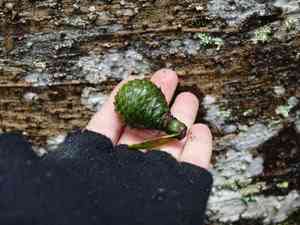
Originating from New Zealand, this venerable conifer is recognized for its immense trunk and extended lifespan. For kauri pine, gentle trimming is recommended to preserve its form and vitality. Perform pruning in the winter season when the tree is inactive. Eliminate deceased or intersecting branches to avert illness and enhance air circulation. Restrict trimming to the lower limbs; refrain from topping since kauri pine reacts poorly to drastic cutting. Consistent thinning improves light access, aiding its development. Extensive pruning is not required given its inherent structure.
Advantages of Trimming Kauri Pine
Advantages of Trimming Kauri Pine
Trimming kauri pine encourages robust development and helps maintain its unique form. This boosts visual appeal and can foster a healthier structure, lowering disease risk.
Optimal Period for Trimming Kauri Pine
Optimal Period for Trimming Kauri Pine
The ideal season for trimming kauri pine is late winter to early spring, prior to the emergence of new growth. Pruning at this time minimizes stress on kauri pine as the plant is largely inactive. This timing coincides with the end of the coldest weather, reducing the chance of frost damage to fresh cuts. It also allows for the removal of any winter-damaged branches before spring growth commences, ensuring the plant's resources are directed towards healthy development. Furthermore, trimming before the spring growth surge gives kauri pine time to recover and lessens the likelihood of disease and pest infestation at the new cut sites. Pruning during this period avoids disrupting kauri pine's natural growth cycle and does not interfere with sap flow, which can be more active in the growing season. It is important to note that kauri pine does not require extensive pruning, and any such activity should be performed conservatively to preserve the tree's health and structure.
Required Tools for Trimming Kauri Pine
Bypass Pruners
Perfect for making clean cuts on smaller branches of kauri pine, which aids in promoting healthy growth and preventing illness.
Loppers
Offer leverage to cut through thicker branches of kauri pine, up to 2 inches in diameter, without harming the rest of the plant.
Pruning Saw
Crucial for cutting through branches and limbs exceeding 2 inches in diameter that loppers cannot manage.
Pole Pruner
Enables reaching and removing higher branches without needing a ladder, ensuring the pruner's safety while tending to kauri pine.
Secateurs
Designed for precise work on kauri pine, especially for shaping or removing minor growth without disturbing nearby foliage.
How to Trim Kauri Pine
Examine
Examine kauri pine for dead or diseased branches. This involves looking for branches exhibiting signs of decay, such as discoloration, fungal growth, or wood that feels soft to the touch.
Sanitation
Before making any cuts, sanitize pruning tools using a solution of 1 part bleach to 9 parts water or a commercial disinfectant to prevent disease transmission.
Cutting Method
Employ proper cutting technique when removing dead or diseased branches. For small branches, make a clean cut just outside the branch collar using sharp pruning shears. For larger branches, use the three-cut method to prevent bark tearing: begin with an undercut on the branch's underside, followed by a relief cut further out to remove the branch's weight, and conclude with a final cut just outside the branch collar.
Clean Cut
Ensure each cut is clean and smooth to facilitate rapid healing of kauri pine. Avoid tearing the bark or leaving stubs, which can serve as entry points for pests and diseases.
Disposal
Properly dispose of all removed material. Do not leave dead or diseased branches near kauri pine, as they can be sources for further infection or infestation. Consider chipping the removed branches for mulch or disposing of them according to local regulations.
Common Trimming Errors with Kauri Pine
Excessive Pruning
Trimming too much of kauri pine at once can stress the tree and may lead to poor growth or susceptibility to disease. Kauri pine have a low tolerance for heavy pruning.
Flush Cutting
Making flush cuts against the trunk or main branches when trimming kauri pine disrupts the treeâs natural healing process, increasing the risk of disease entry and decay.
Neglecting Tool Hygiene
Using unsanitized tools to trim kauri pine can introduce pathogens and spread diseases, jeopardizing the treeâs health.
Incorrect Cut Placement
Cutting too far from or too close to the bud can result in undesirable growth or damage the bud, hindering healthy new growth on kauri pine.
Removing Large Limbs
Removing large limbs on kauri pine can create significant wounds that take a long time to heal and may never fully compartmentalize, leaving the tree vulnerable to infection.
General Trimming Advice for Kauri Pine
Sharp Tools
Utilize sharp, clean pruning tools to make precise cuts on kauri pine, which aids in faster healing and reduces the chance of disease.
Cut Angle
Make cuts at a 45-degree angle just above a leaf node or bud to encourage proper water runoff and healthy regrowth on kauri pine.
Branch Collar
Preserve the branch collar when trimming kauri pine, making cuts just outside the swollen area to allow the tree to heal effectively without unnecessary exposure to pathogens.
Gradual Pruning
Gradually trim kauri pine over several seasons if extensive pruning is necessary, rather than all at once, to minimize stress and preserve the treeâs vitality.
Selective Pruning
Focus on selective trimming of kauri pine to remove only dead, diseased, or crossing branches, maintaining the treeâs natural shape and structural integrity.



