How to Propagate Kauri pine?
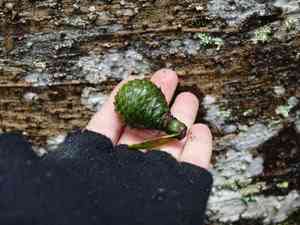
Originating from New Zealand, kauri pine is an ancient coniferous species holding vast cultural and environmental importance. Reproducing this magnificent tree primarily occurs via cuttings, which must be harvested from robust, pathogen-free limbs. For optimal results, choose semi-hardened segments and apply a rooting stimulant to encourage development prior to potting in a substrate that drains effectively. Steady hydration and warmth hasten root formation, making it crucial to sustain a consistent atmosphere for the cuttings. Given appropriate attention, these cuttings will thrive, enabling horticulturists to cultivate new kauri pine that will endure for centuries.
Optimal Time for Kauri Pine Propagation
Propagation Method
Cutting
Propagation Period
Autumn,Winter
Tools for Kauri Pine Propagation
Sharp Pruning Shears
Crucial for taking kauri pine cuttings, sharp pruning shears ensure a clean, precise cut, minimizing harm to the parent plant and boosting rooting success. The blades must be keen enough to avoid crushing plant tissues, vital for the delicate kauri pine propagation process.
Rooting Hormone
This chemical compound stimulates root formation in kauri pine cuttings. Applying rooting hormone to the cutting's base promotes faster, stronger root development, especially beneficial for slow-rooting species like kauri pine. It enhances propagation success by providing cuttings with ample support for establishment and growth.
Sterile Potting Mix
Employing a sterile potting mix helps prevent diseases and fungi from affecting new kauri pine cuttings. A well-aerated, loose, and nutrient-rich potting mix supports the delicate new kauri pine roots, offering ideal growing conditions for successful rooting and initial growth.
Humidity Dome
A humidity dome covers kauri pine cuttings, maintaining a high-humidity environment, essential to prevent the delicate new cuttings from drying out. The regulated conditions under the dome ensure kauri pine cuttings have the necessary moisture to support rooting without water stress.
Kauri Pine Propagation Difficulty
Propagation Type
Moderately Difficult
Caring for Your Newly Propagated Kauri Pine
Caring for Your Newly Propagated Kauri Pine
Once roots are established, gradually introduce the young kauri pine to drier conditions by opening the humidity cover over a week. Transplant the kauri pine into a larger pot with native soil mix, ensuring good drainage. Place it in partial shade and water regularly to keep the soil slightly moist, especially during dry spells. Lightly fertilize annually in early spring with a balanced, slow-release product. As kauri pine grows, ensure it has ample room, as it can become quite large.
Common Errors to Avoid When Propagating Kauri Pine
Overwatering
Excessive water can cause root rot, as kauri pine roots require well-draining soil to prevent waterlogging.
Inadequate drainage
Poor drainage can lead to fungal diseases, as kauri pine is prone to root rot in waterlogged conditions.
Taking cuttings from unhealthy specimens
Cuttings should always come from healthy, disease-free kauri pine trees to ensure the best chance of successful rooting and growth.
Ignoring sterilization
Propagation equipment must be sterilized. Failure to do so may introduce pathogens to kauri pine, hindering propagation success.
Excessive use of growth hormones
Applying too much rooting hormone can hinder root growth instead of promoting it, which is counterproductive for kauri pine's development.
Kauri Pine Propagation Tips
Use healthy parent material
Always select cuttings from a vigorous and healthy kauri pine for propagation to ensure the cuttings have the best chance to develop.
Monitor water levels
Maintain consistent moisture, but allow for adequate drainage. Kauri pine requires moist but not waterlogged soil for optimal root development.
Provide indirect light
Place kauri pine cuttings in bright, indirect sunlight to avoid leaf scorch while ensuring enough light for growth.
Apply rooting hormone
Use a rooting hormone carefully to encourage root development in kauri pine cuttings, but avoid excess application.
Maintain a stable environment
Keep the environment around the developing kauri pine consistent, with stable humidity and temperature, to promote healthy growth.



