How to Prune Rhodesian mahogany?
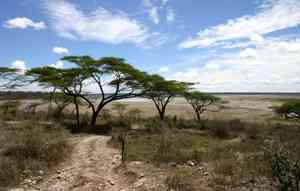
Distinguished by its robust structure and prized timber, rhodesian mahogany thrives with judicious trimming to foster vigorous development and form. Conduct pruning in early spring or late winter, initially excising dead or ailing wood, then addressing inner branches to improve light penetration and air movement. Crown thinning, as opposed to topping, promotes a sturdy framework and extended lifespan. Regular pruning highlights its aesthetic qualities and mitigates risks from falling branches.
What Are the Benefits of Pruning Rhodesian Mahogany?
What Are the Benefits of Pruning Rhodesian Mahogany?
Trimming rhodesian mahogany promotes robust development and maintains its desired form. It encourages branching, leading to a denser canopy that is visually appealing and supports the tree's overall vitality.
What Is the Best Time for Pruning Rhodesian Mahogany?
What Is the Best Time for Pruning Rhodesian Mahogany?
Pruning or trimming rhodesian mahogany during late winter or early spring is strategic, as it aligns with the plantâs dormant phase, which takes place after the end of the typical growing season and before the onset of the new growth cycle. During late winter, the reduced foliage makes the structure of rhodesian mahogany more visible, allowing for more precise pruning. Additionally, minimal sap flow during this period reduces the risk of sap loss, which can otherwise attract pests and lead to diseases. Pruning in early spring, right before the rapid growth phase, ensures that any cuts made will soon be healed by the new growth. It also minimizes the impact on flowering since rhodesian mahogany would not yet have expended energy on flower or seed production, thereby not affecting the plantâs reproduction cycle adversely. By pruning at these times, gardeners promote healthier, structurally sound growth for the plant's active season, ensuring robustness and improved aesthetic form.
What Tools Do I Need to Prune Rhodesian Mahogany?
Bypass Pruners
These are suitable for cutting through the young branches of rhodesian mahogany up to about ¾ inches in diameter. The clean cuts made by these pruners help ensure quick healing.
Lopping Shears
These are necessary for cutting through medium-sized branches of rhodesian mahogany that are between ¾ inches and 1 ½ inches in diameter. The long handles provide leverage to make cutting easier.
Pruning Saw
For mature branches of rhodesian mahogany that are over 1 ½ inches in diameter, a pruning saw is essential. It can make clean cuts through thicker branches without causing damage to the tree.
Pole Pruner
If rhodesian mahogany has branches that are out of reach, a pole pruner can be used to prune higher limbs safely from the ground. This is particularly useful since rhodesian mahogany can grow to a significant height.
How to Prune Rhodesian Mahogany
Sanitize tools
Before starting, ensure all pruning tools are sterilized to prevent the spread of disease to rhodesian mahogany.
Identify
Carefully inspect rhodesian mahogany to identify dead or diseased branches, which can be recognized by discolored, brittle, or damaged bark.
Cut diseased branches
Use sharp, clean pruning shears or a saw to remove diseased branches. Make cuts at a slight angle, a few inches away from the main trunk, to avoid damaging the collar.
Cut dead branches
Trim dead branches on rhodesian mahogany the same way as diseased ones, ensuring cuts are made at a point where there is no visible discoloration or decay.
Wound care
After trimming, apply a natural wound sealant to large cuts to protect rhodesian mahogany from pests and further disease.
Common Pruning Mistakes with Rhodesian Mahogany
Overpruning
Removing too much foliage from rhodesian mahogany at once can shock the plant, potentially stunting its growth or leading to its decline. It is essential to prune no more than a certain percentage of the canopy at a time to avoid stressing the plant.
Improper cut location
Making cuts too close or too far from the branch collar can harm rhodesian mahogany. Cuts too close can damage the main branch, while cuts too far can leave a stub that hinders healing and invites pests and disease.
Using dull tools
Dull pruning tools can cause unnecessary damage to rhodesian mahogany by tearing the wood and bark, making the plant more susceptible to diseases. Sharp, clean tools make precise cuts that heal more efficiently.
Disregarding plant structure
Failing to understand the natural growth habit and structure of rhodesian mahogany can result in improper pruning that doesn't support the plant's health or aesthetic form.
Pruning without disinfecting
Neglecting to disinfect tools between cuts and plants can spread disease to rhodesian mahogany, which may be harmful especially if the plant has any known diseases or pests.
Common Pruning Tips for Rhodesian Mahogany
Selective pruning
Rather than indiscriminately cutting back branches, selectively prune dead, diseased, or crossing branches to maintain the health and structure of rhodesian mahogany. This targeted approach encourages better air circulation and light penetration.
Prune for shape
When shaping rhodesian mahogany, make cuts to enhance the plant's natural form. Gradually shape the tree over several seasons rather than attempting to do it all at once, which can be traumatic for the plant.
Clean cuts
Ensure to make clean cuts at a slight angle away from the bud to promote healing and prevent water accumulation, which could lead to decay in rhodesian mahogany.
Preemptive thinning
Thin out the interior branches of rhodesian mahogany to prevent them from becoming too dense, which can reduce air and sunlight penetration, affecting the overall health of the plant.
Understand growth pattern
Understand the growth pattern of rhodesian mahogany to predict how it will respond to various types of cuts. This knowledge will allow for strategic pruning that encourages desired growth patterns.



