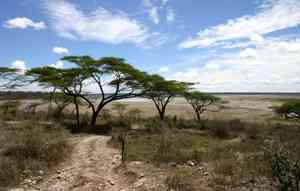
Rhodesian mahogany (Afzelia quanzensis)
Also known as: Lucky bean tree
Afzelia quanzensis, commonly known as pod mahogany, is a protected tree species in South Africa. In Afrikaans, it is called Peulmahonie, and in Zulu, it is referred to as Inkehli.
In This Article
Attributes of Rhodesian mahogany
Lifespan
Perennial
Plant Type
Tree
Plant Height
11 m
Spread
10-20 meters
Leaf Color
Green
Flower Size
8 cm to 10 cm
Flower Color
Red
Images of Rhodesian mahogany
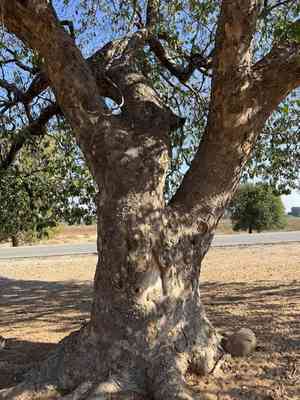
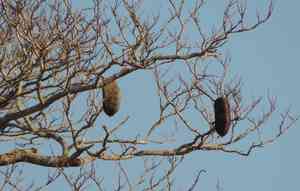
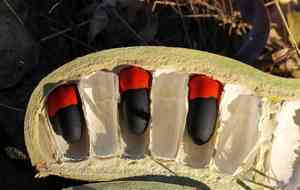
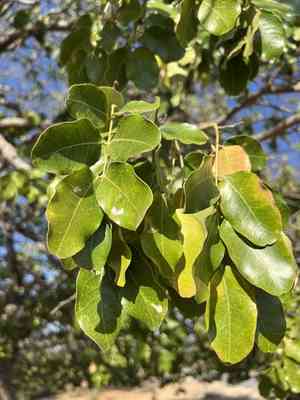
Quickly Identify Rhodesian mahogany
1
Afzelia quanzensis can be identified by its large bipinnate leaves with 5-12 pairs of leaflets, its distinctive reddish-brown bark, and its large, woody seed pods.
Scientific Classification of Rhodesian mahogany
Phylum
Vascular plants
Class
Dicotyledons
Order
Fabales
Family
Legume
Genus
Afzelia
Species
Rhodesian mahogany
Planting and Growing of Rhodesian mahogany
Care Difficulty
Hard
Watering Schedule
Every 2 days
Sunlight Requirements
Partial sun
Sunshine Duration
6-10 hours
Ideal Temperature
68-86℉
Soil Type
Potting Mix, Peat Mix
Soil pH
6.5-7.5
Fertilizer Type
Balanced
Pruning Season
Spring, Summer
Pruning Area
Branches, Leaves
Pruning Frequency
2 times a year
Repotting Season
Spring
Pot Type
Plastic, Ceramic
 How to Water Rhodesian mahogany?
Afzelia quanzensis requires a well-balanced watering approach. Ensure the soil is thoroughly soaked with around 500ml of water per session. The soil should remain moist but never waterlogged, which can harm the roots. Allow the top 2 to 3 centimeters of soil to dry out between waterings to avoid excess moisture.
What are the symptoms of an underwatered Rhodesian mahogany?
›
What should I do if my Rhodesian mahogany is not getting enough water?
›
What are the symptoms of an overwatered Rhodesian mahogany?
›
How to save an overwatered Rhodesian mahogany?
›
 What Are the Sunlight Requirements for Rhodesian mahogany?
Afzelia quanzensis favors partial sunlight, benefiting greatly from this range by maintaining vibrant foliage and robust growth without the stress of excessive sunlight.
More About Sunlight Requirements Techniques→
How much light does Afzelia quanzensis need?
›
Where should you position Afzelia quanzensis for optimal light?
›
What are the benefits of ideal lighting for Afzelia quanzensis?
›
 What Is the Ideal Temperature Range for Rhodesian mahogany?
Afzelia quanzensis thrives best in warm climates, with an optimal temperature range between 68°F and 86°F. Within this range, the plant can achieve optimal growth, and its physiological processes function effectively. This temperature range mimics the conditions of its native environment in tropical and subtropical regions.
 What Soil is Best for Rhodesian mahogany?
Afzelia quanzensis thrives in nutrient-rich soil that provides an ample supply of essential minerals and organic matter. This abundance of nutrients helps the tree develop a strong root system and vibrant foliage, enhancing its overall growth and health. Good drainage is crucial for preventing root rot in Afzelia quanzensis. The ability of the soil to drain excess water effectively ensures that the roots receive adequate oxygen and reduce the risk of fungal infections, leading to healthier growth. While the soil must be well-drained, retaining some moisture is beneficial for Afzelia quanzensis. This balance allows the tree to access water during dry spells without the soil becoming waterlogged, supporting sustained growth and flowering.
 How to Fertilize Rhodesian mahogany?
When fertilizing Afzelia quanzensis, moderate amounts are essential. Use approximately 25 grams of balanced fertilizer for young trees and increase to 50 grams for mature trees. Ensure even distribution to avoid nutrient burn and promote healthy growth.
 How to Prune Rhodesian mahogany?
Start by examining Afzelia quanzensis for dead or diseased branches. These are typically darker, brittle, or show signs of disease such as spots. Prioritize removing these unhealthy branches first. After clearing out the deadwood, step back and assess the tree's overall shape. Trim branches that disrupt the natural form. Make a clean cut just above a healthy lateral shoot or bud to encourage proper branching. To prevent the spread of disease while pruning, disinfect your tools between cuts, especially when moving from diseased to healthy tissue. A mixture of one-part bleach to nine parts water is effective for sanitizing your tools. After pruning, monitor the tree's response and adjust your techniques in subsequent seasons. Observe how the tree grows back and note any branches that might need future attention to perfect its growth pattern.
More About Pruning Techniques→
 How to Propagate Rhodesian mahogany plant?
1
First, scarify the seeds by rubbing them gently with sandpaper or nicking them with a knife to help break dormancy. This step increases the germination rate by allowing moisture to penetrate the seed coat easily.
2
Take semi-hardwood cuttings about 10-15 cm long, ensuring each has a node. Remove the leaves from the bottom half of the cutting to reduce transpiration and dip the cuttings in rooting hormone to stimulate root growth.
3
Fill a seed tray or small pots with a well-draining potting mix. A mixture of sand, perlite, and peat moss in equal parts works well. Moisten the medium evenly without making it too wet to prevent rotting.
 How to Repot Rhodesian mahogany plant?
1
Signs that Afzelia quanzensis needs repotting include roots protruding from the pot's drainage holes or a slowed growth rate despite favorable conditions. Ideally, repot during warm weather to encourage acclimatization.
2
Select a pot slightly larger than the current one to allow room for growth. Ensure it has adequate drainage holes to prevent root rot, ensuring healthy root systems and overall plant vitality.
3
Opt for a well-draining sandy soil mix, which will prevent water retention and mimic Afzelia quanzensis's natural habitat. This promotes root health and prevents water-related issues.



