How to Prune Common yellowwood?
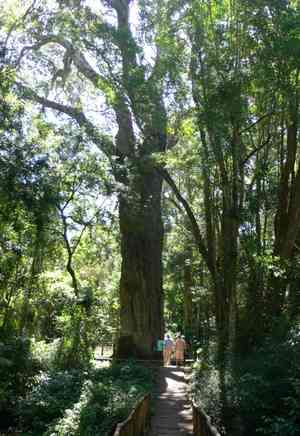
Originating from southern Africa, Podocarpus falcatus is a gradually developing evergreen recognized for its considerable height and pendulous limbs. Trim Podocarpus falcatus in the winter, its inactive phase, to sculpt or control its dimensions. Eliminate deceased, ailing, or intersecting branches to foster development and air circulation. Minor trimming stimulates thicker foliage; nevertheless, extensive pruning ought to be avoided given Podocarpus falcatus's sluggish recovery. Advantages of pruning encompass a neater look, improved light exposure, and diminished susceptibility to illness. Always employ sanitized, sharp implements.
What Are the Benefits of Pruning Common Yellowwood?
What Are the Benefits of Pruning Common Yellowwood?
Trimming common yellowwood promotes robust development and maintains its desired form. Strategic cuts enhance light penetration and air circulation, fostering a strong framework and vibrant health.
What Is the Best Time for Pruning Common Yellowwood?
What Is the Best Time for Pruning Common Yellowwood?
Pruning common yellowwood from late winter to early spring is ideal, as it occurs after severe weather but before active growth. This timing minimizes stress on common yellowwood, allowing for strong recovery and growth in the subsequent season. It also ensures pruning cuts heal quickly with new growth, reducing disease risk. Furthermore, since common yellowwood is leafless in winter, its structure is clearer, aiding in optimal cuts for shaping and health. Pruning before flowering or fruiting allows common yellowwood to direct energy into fresh growth and maintain its ornamental or fruit-producing qualities.
What Tools Do I Need to Prune Common Yellowwood?
Hand Pruners
Perfect for trimming small branches and twigs on common yellowwood, ensuring clean cuts for healthy regrowth.
Lopping Shears
Needed for cutting through thicker branches that hand pruners cannot manage, without harming common yellowwood's structure.
Pruning Saw
Essential for removing larger limbs; the saw enables precise cuts that help preserve common yellowwood's natural shape.
Pole Pruner
Useful for reaching higher branches without needing a ladder, ensuring the gardener's safety while pruning common yellowwood.
Hedge Shears
Applicable for shaping common yellowwood when used as a hedge or for formal designs, encouraging uniform growth and aesthetic appeal.
How to Prune Common Yellowwood
Inspect
Carefully examine common yellowwood for any dead or diseased branches that require removal. Look for signs of discoloration, dryness, or damage.
Sterilize
Before beginning the pruning process, sanitize your pruning tools to prevent the spread of diseases to healthy parts of common yellowwood.
Cut
Using sharp pruning shears, make a clean cut to remove dead branches at their point of origin or back to a healthy lateral branch, avoiding stubs.
Disinfect
After each cut, especially when removing diseased branches, disinfect the pruning shears to prevent contaminating the next cut.
Dispose
Properly discard dead and diseased branches far from common yellowwood to prevent potential reinfection or pest spread.
Common Pruning Mistakes with Common Yellowwood
Over-Pruning
Removing too much foliage at once can shock common yellowwood and may lead to poor growth or disease. Limit pruning to a small percentage of the plant to avoid stress.
Improper Cuts
Making cuts too far from a bud or node, or leaving a stub, can hinder proper healing and lead to fungal infections or pest infestations in common yellowwood.
Tearing Bark
When cutting larger branches, their weight can cause the bark to tear and damage common yellowwood's trunk. Always use the three-cut method to prevent tearing.
Using Dull Tools
Dull pruning tools can create jagged cuts that take longer to heal and may invite disease into common yellowwood. Always use sharp, clean tools for precise cuts.
Common Pruning Tips for Common Yellowwood
Selective Pruning
Focus on removing only dead, damaged, or crossing branches to maintain common yellowwood's natural shape and promote strong structure.
Disinfect Tools
Before and after pruning common yellowwood, disinfect your tools to prevent the spread of disease between plants.
Prune For Airflow
Thin out dense areas to improve airflow, which can help common yellowwood ward off fungal diseases by reducing moisture buildup in the foliage.
Cutting Angle
Make cuts at a 45-degree angle about 1/4 inch above an outward-facing bud to encourage proper growth direction and drainage away from the bud in common yellowwood.



