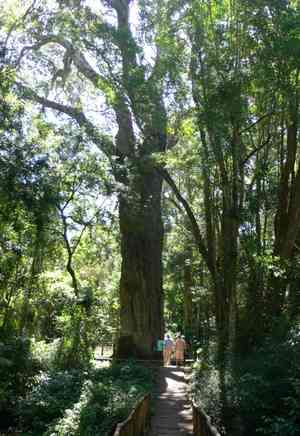
Common yellowwood (Afrocarpus falcatus)
Also known as: Bastard yellowwood, Weeping yew, Falcate yellowwood
The Common yellowwood (Afrocarpus falcatus) is native to the montane regions of southern Africa and thrives in both forested and coastal environments. In coastal areas, it tends to remain smaller in stature. The species is highly valued for its durable timber, which is often used in construction. However, logging has significantly impacted many populations, making them vulnerable. In South Africa, the Common yellowwood is a protected species, reflecting efforts to conserve its diminishing numbers.
In This Article
Attributes of Common yellowwood
Lifespan
Perennial
Plant Type
Tree
Plant Height
45 m to 60 m
Spread
8 m to 11 m
Leaf Color
Green
Flower Size
2.5 cm
Flower Color
White Pink Green Purple
Images of Common yellowwood
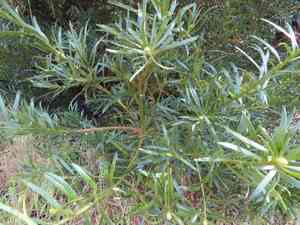
Quickly Identify Common yellowwood
1
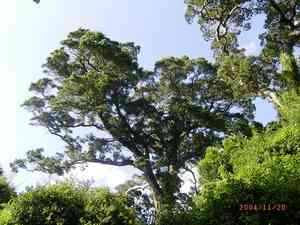
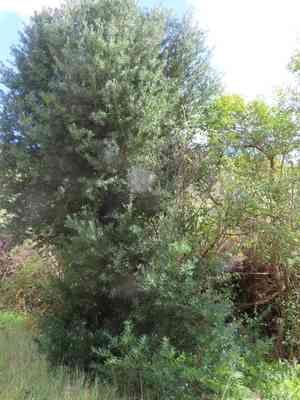
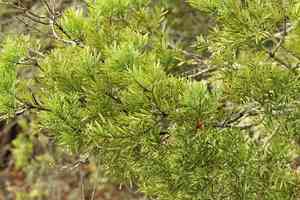
Look for a tall tree with a straight trunk, peeling bark, and drooping branches. Leaves are needle-like but broader and flat, with a sickle shape. Fruit-like structures are fleshy, green to blueish-purple when ripe.
Scientific Classification of Common yellowwood
Phylum
Vascular plants
Class
Conifers
Order
Pinales
Family
Podocarpus
Genus
Yellowwood
Species
Common yellowwood
Planting and Growing of Common yellowwood
Care Difficulty
Easy
Watering Schedule
Every 2 days
Sunlight Requirements
Partial sun
Sunshine Duration
6-8 hours
Ideal Temperature
60-75℉
Soil Type
Potting Mix, Peat Mix
Soil pH
6.5-7.5
Fertilizer Type
Balanced
Pruning Season
Spring, Summer
Pruning Area
Branches, Leaves
Pruning Frequency
2 times a year
Repotting Season
Spring
Pot Type
Plastic, Ceramic
 How to Water Common yellowwood?
Afrocarpus falcatus, commonly known as the African Fern Pine, should be watered thoroughly until the water begins to drain from the bottom of the pot. This ensures that the entire root system receives adequate moisture. The key is to let the soil dry out slightly between waterings. A well-balanced soil moisture level is critical: it should be moist but not waterlogged. Allow about 500 ml of water per watering session, adjusting based on temperature and humidity conditions.
What are the symptoms of an underwatered Common yellowwood?
›
What should I do if my Common yellowwood is not getting enough water?
›
What are the symptoms of an overwatered Common yellowwood?
›
How to save an overwatered Common yellowwood?
›
 What Are the Sunlight Requirements for Common yellowwood?
Ideal light conditions facilitate vigorous growth and vibrant foliage in Afrocarpus falcatus, allowing it to thrive with minimal intervention.
More About Sunlight Requirements Techniques→
What is the best light condition for Afrocarpus falcatus?
›
How to ensure Afrocarpus falcatus gets the ideal light?
›
Benefits of ideal light for Afrocarpus falcatus?
›
 What Is the Ideal Temperature Range for Common yellowwood?
Afrocarpus falcatus thrives best in a temperature range between 60°F and 75°F. This range allows optimal physiological processes including photosynthesis and transpiration to occur efficiently. Maintaining this temperature ensures robust growth and prevents stress-related issues.
 What Soil is Best for Common yellowwood?
Afrocarpus falcatus thrives in well-drained soil to avoid root rot and other moisture-related issues. This ensures healthy root systems and robust growth, as waterlogging can severely damage the plant. This plant benefits from a nutrient-rich soil that provides essential minerals for growth. Organic matter such as compost can be integrated to enhance soil fertility and promote vibrant foliage. The soil should retain some moisture without becoming waterlogged. Maintaining moderate moisture levels helps in sustaining healthy transpiration and nutrient uptake for the plant.
 How to Fertilize Common yellowwood?
For Afrocarpus falcatus, apply liquid fertilizers at a concentration of 1/4 of the recommended strength, as too much can lead to root burn. When using slow-release fertilizers, ensure the granules make up about 2 tablespoons for a medium-sized pot to provide a steady supply of nutrients without overwhelming the plant.
 How to Prune Common yellowwood?
Afrocarpus falcatus requires delicate pruning. Avoid excessive trimming, which can stress the tree and lead to weak growth. Maintain a natural shape by clipping selectively. After pruning, vigilantly check the tree for signs of pest infestations or fungal infections and take immediate action if anything unusual is spotted. Post-pruning care is crucial for plant health.
More About Pruning Techniques→
 How to Propagate Common yellowwood plant?
1
For seed propagation, collect mature seeds from the cones. For cuttings, snip a healthy 10-15 cm branch that has several leaves. Ensure the cut is clean to avoid plant damage.
2
Use a well-draining potting mix. A mix of sand and peat moss is ideal as it retains moisture without becoming waterlogged, which is crucial for the rooting of cuttings and seed germination.
3
Place seeds on the surface of the soil and lightly cover them. For cuttings, insert the cut end into the soil mix, making sure it is stable and upright. Gently water after planting to settle the soil.
 How to Repot Common yellowwood plant?
1
Observe Afrocarpus falcatus for signs such as roots growing out of the drainage holes or becoming root-bound. This indicates it's time to repot. The best seasons are spring and summer when the plant experiences active growth, which allows it to recover better from repotting stress.
2
Select a pot that is 1-2 inches larger in diameter than the current one. Ensure it has proper drainage holes to prevent waterlogging. A slightly larger pot allows room for growth without overwhelming the roots, thus promoting healthy development and stability for your tree.
3
Opt for a well-draining potting mix rich in organic matter. This soil type promotes aeration and prevents root rot by allowing excess water to escape, providing the robust Afrocarpus falcatus with the necessary nutrients and environment to thrive.
Toxicity
Ingestion, Contact
WARNING
The judgment on toxicity and danger is for reference only. We DO NOT GUARANTEE any accuracy of such judgment. Therefore, you SHALL NOT rely on such judgment. It is IMPORTANT TO SEEK PROFESSIONAL ADVICE in advance when necessary.



