How to Prune Nakedstem livingvase?
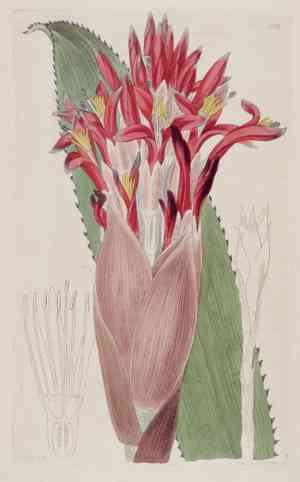
Nakedstem livingvase is recognized for its vivid blossoms and resilient leaves. The most suitable times for trimming are early spring or late winter, coinciding with the plant's developmental phase. Eliminate withered or compromised foliage and cut back faded flower stems to foster vigorous development. Trimming improves air movement, lowers the chance of illness, and stimulates flowering. Always employ disinfected implements to avert contagions. In line with accepted gardening recommendations, these methods guarantee the strong and attractive growth of nakedstem livingvase.
Advantages of Trimming Nakedstem Livingvase
Advantages of Trimming Nakedstem Livingvase
Nakedstem livingvase benefits from trimming as it promotes vigorous development and helps maintain a desired form. Eliminating dead or damaged foliage encourages robust growth, enhances aesthetic appeal, and prevents the spread of pests and diseases.
Optimal Period for Trimming Nakedstem Livingvase
Optimal Period for Trimming Nakedstem Livingvase
Early spring and late winter are the best times to trim nakedstem livingvase as these periods align with the plant's growth cycle and dormancy. Trimming during these times promotes healthy new growth and allows the plant to heal more efficiently before the active growing season starts. Additionally, pruning during the dormancy period helps to minimize stress and potential damage to nakedstem livingvase, ensuring better flowering and overall plant health throughout the year.
Essential Tools for Trimming Nakedstem Livingvase
Bypass Pruners
These are perfect for precise cuts without harming plant tissues, suitable for removing dead or damaged leaves and flower stalks.
Pruning Shears
Useful for routine upkeep of nakedstem livingvase, enabling easy and clean cuts on smaller plant sections.
Pruning Knife
This tool assists in making smooth cuts on tougher leaves and can effectively remove any browning tips or edges.
Disinfectant Wipes
Crucial for sanitizing tools before and after trimming to prevent disease transmission, vital for maintaining nakedstem livingvase's health.
How to Trim Nakedstem Livingvase
Assessment
Carefully examine nakedstem livingvase for any signs of diseased or withered leaves. This ensures that only necessary parts are targeted during trimming.
Tools Sterilization
Prepare and sterilize sharp pruning shears to prevent the spread of any diseases or pests during the trimming process.
Remove Diseased Leaves
Carefully cut away any diseased leaves at their base, ensuring not to damage the healthy parts of nakedstem livingvase. Dispose of the diseased leaves away from the plant area to prevent contamination.
Remove Withered Leaves
Trim off the withered leaves, cutting them as close to the base as possible without injuring other parts of nakedstem livingvase. This helps in redirecting the plant's energy to healthier sections.
Dispose and Clean
Properly dispose of all trimmed parts and thoroughly clean the pruning tools to avoid any future disease transmission.
Common Trimming Errors with Nakedstem Livingvase
Excessive trimming
Removing too much foliage can diminish the plant's ability to photosynthesize effectively, leading to weakened growth and poor health.
Trimming healthy leaves
Cutting away healthy leaves and stems that are not damaged or dead can impede the plant's growth and flowering potential.
Incorrect tool usage
Using dull or dirty tools can cause damage to the plant's tissues, making it more vulnerable to diseases and pests.
Improper trimming technique
Making jagged or incorrect cuts can cause unnecessary stress and damage to the plant.
Neglecting safety measures
Failing to sterilize tools before trimming can spread infections from one part of the plant to another or between different plants.
General Trimming Advice for Nakedstem Livingvase
Minimal trimming
Focus on removing only dead or damaged leaves and stems to avoid unnecessary stress and support healthy growth.
Use sharp, clean tools
Always use sharp and sterilized pruning shears or scissors to make clean cuts and reduce the risk of infection.
Follow natural growth pattern
Trim in a way that maintains the plant's natural shape and growth pattern. Avoid cutting too close to the base of the leaves and stems.
Observe plant health
Regularly inspect nakedstem livingvase for signs of dead or damaged parts and trim as needed to maintain overall health and vitality.
Incremental trimming
Trim gradually rather than removing large portions of the plant at once. This helps the plant to recover better and minimizes the risk of shock.



