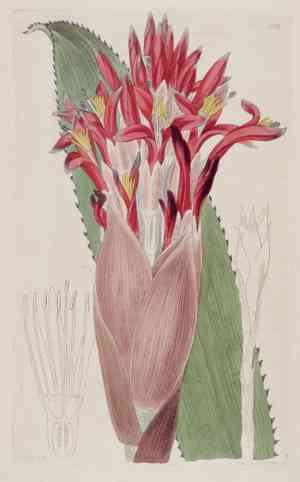
Nakedstem livingvase (Aechmea nudicaulis)
Also known as: Brazillian vaseplant, Aechmea nudicaulis
The nakedstem livingvase (Echeveria strictiflora) is well-adapted to diverse environments, including rocks, trees, and nutrient-poor soils, thanks to its succulent leaves that efficiently store water. It excels in sunny conditions and propagates through "pups," or small offshoots, making it an effective ground cover. Its shallow roots quickly absorb moisture from light rains, while its compact form minimizes water loss and protects against harsh elements.
In This Article
Attributes of Nakedstem livingvase
Lifespan
Perennial
Plant Type
Herb, Succulent
Plant Height
75 cm
Spread
75 cm
Leaf Color
Green Gray Silver
Flower Size
1 to 2 inches
Flower Color
Yellow Red
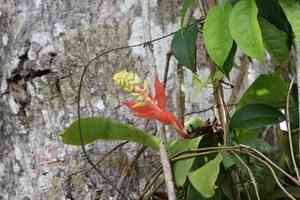
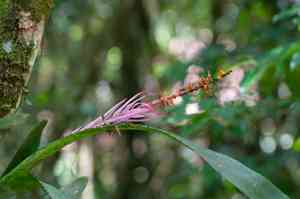
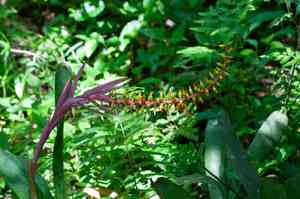
Images of Nakedstem livingvase
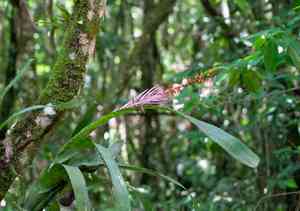
Quickly Identify Nakedstem livingvase
1
Look for a stiff, vase-shaped rosette of bright green, spiny-edged leaves. The central flower spike is often red or orange and has yellow flowers.
Scientific Classification of Nakedstem livingvase
Phylum
Vascular plants
Class
Monocotyledons
Order
Poales
Family
Bromeliad
Genus
Aechmea
Species
Nakedstem livingvase
Planting and Growing of Nakedstem livingvase
Care Difficulty
Moderate
Watering Schedule
Every 2 days
Sunlight Requirements
Partial sun
Sunshine Duration
6-10 hours
Ideal Temperature
65-80℉
Soil Type
Potting Mix, Peat Mix
Soil pH
6.5-7.5
Fertilizer Type
Balanced
Pruning Season
Spring, Summer
Pruning Area
Branches, Leaves
Pruning Frequency
2 times a year
Repotting Season
Spring
Pot Type
Plastic, Ceramic
 How to Water Nakedstem livingvase?
Aechmea nudicaulis benefits from a precise watering approach. Aim to deliver 200 ml of water to mimic its natural habitat conditions, ensuring the central cup holds water and the soil is only slightly moist.
What are the symptoms of an underwatered Nakedstem livingvase?
›
What should I do if my Nakedstem livingvase is not getting enough water?
›
What are the symptoms of an overwatered Nakedstem livingvase?
›
How to save an overwatered Nakedstem livingvase?
›
 What Are the Sunlight Requirements for Nakedstem livingvase?
Aechmea nudicaulis thrives in partial sun conditions, benefiting from filtered light for 4-6 hours daily. Ideal lighting conditions promote better photosynthesis, resulting in a healthier plant and more frequent blooming.
What kind of light does Aechmea nudicaulis need?
›
How to achieve this ideal light condition?
›
What benefits does the plant obtain from ideal lighting?
›
 What Is the Ideal Temperature Range for Nakedstem livingvase?
The ideal temperature range for Aechmea nudicaulis, a tropical bromeliad, is between 65°F and 80°F. This range ensures optimal growth, as it mimics its natural habitat in tropical climates. Within this range, the plant can efficiently photosynthesize and maintain healthy metabolic processes. It is recommended to maintain consistent temperatures within this range to prevent stress and promote vigorous blooming.
 What Soil is Best for Nakedstem livingvase?
Aechmea nudicaulis thrives best in soil that offers excellent drainage. This helps prevent root rot and promotes healthy root development, ensuring lush growth and vibrant foliage. Incorporating moderate amounts of organic matter into the soil creates nutrient-rich conditions. This supports the bromeliad's growth by providing essential nutrients while maintaining adequate aeration. Preferring slightly acidic conditions, Aechmea nudicaulis benefits from pH levels that facilitate nutrient absorption. This helps in the efficient uptake of vital minerals, ensuring optimal plant health.
 How to Fertilize Nakedstem livingvase?
For Aechmea nudicaulis, a modest amount of fertilizer is crucial in preventing nutrient buildup. Use a balanced liquid fertilizer diluted to one-half or one-quarter strength. Applying too much fertilizer can cause damage to the plant's roots and foliage, reducing its ability to take up water and other nutrients.
 How to Prune Nakedstem livingvase?
Ensure your pruning shears are clean and sharp. This reduces the risk of disease transmission and ensures clean cuts that heal more efficiently. Aechmea nudicaulis can produce offshoots, which can be separated to propagate new plants. Carefully remove these offshoots to prevent crowding and promote better air circulation.
More About Pruning Techniques→
 How to Propagate Nakedstem livingvase plant?
1
Ensure the parent plant is healthy and well-watered before division. Look for offsets or 'pups' that are large enough to be separated, typically when they are at least one-third the size of the parent plant.
2
Carefully remove the parent plant from its container. Using a sharp knife, cut the offsets away from the mother plant, making sure each offset has some root system attached to it for successful propagation.
3
Place each offset into a pot with suitable potting medium. Ensure they are planted at the same depth as they were growing before. Water lightly initially to help settle them into their new environment.
 How to Repot Nakedstem livingvase plant?
1
Repotting Aechmea nudicaulis is crucial when you notice the roots peeking out from the drainage holes, or the plant becomes top-heavy and wobbly in its pot. An additional indicator is when the potting mix deteriorates, leading to poor drainage. Repotting during the growing seasons of spring or summer helps the plant recover quickly as it actively develops.
2
Selecting a pot for Aechmea nudicaulis involves choosing one that is no more than an inch or two larger in diameter than the current one. Using a breathable material like terracotta can help manage moisture levels, providing the roots with ample oxygen while ensuring excess water can evaporate, preventing root rot.
3
The ideal soil for Aechmea nudicaulis is one that mimics its natural epiphytic environment, requiring a fast-draining, airy potting mix. Blend standard potting soil with orchid bark and perlite. This combination ensures quick drainage and allows sufficient airflow to the roots, reducing the risk of root rot and promoting healthy plant growth.



