How to Prune Amur adonis?
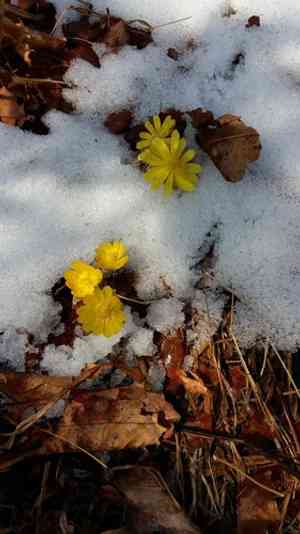
Grown for its vivid yellow blossoms in early spring, amur adonis thrives with judicious trimming. Following the blooming period, snip off spent flowers to encourage foliage development and overall plant vigor. Perform a light trim in spring, precisely before fresh shoots emerge, to preserve a dense shape. Trimming during summer or autumn might eliminate nascent buds, impacting the subsequent season's floral display. Consistent removal of spent blooms enhances aesthetic appeal and deters undesirable seed scattering, guaranteeing amur adonis's brilliant presentation annually.
Advantages of Trimming Amur Adonis
Advantages of Trimming Amur Adonis
Trimming amur adonis promotes abundant flowering and robust development, while maintaining a desired form. It revitalizes the plant, ensuring peak health and visual appeal.
Optimal Period for Pruning Amur Adonis
Optimal Period for Pruning Amur Adonis
The best time for pruning amur adonis is in the autumn, after its blooming cycle has concluded. Fall pruning helps prevent disease and prepares amur adonis for dormancy, while ensuring the plant doesn't waste energy on unnecessary foliage. This timing allows amur adonis to focus resources on strong root development and storage, crucial for winter survival. Additionally, pruning after flowering aids in shaping the plant and managing its size more effectively. It's important to note that pruning amur adonis during spring or summer can remove flower buds and is not advised, as this is its active growth phase leading to late winter to early spring blooms.
Tools Required for Pruning Amur Adonis
Bypass Pruners
Perfect for making clean cuts on amur adonis's relatively slender stems, bypass pruners minimize tissue damage, fostering faster recovery.
Gloves
Though not a cutting implement, gloves are vital for safeguarding the gardener's hands from scrapes and potential irritants during amur adonis pruning.
Garden Shears
For shaping and trimming amur adonis's foliage without causing undue stress to the plant.
How to Prune Amur Adonis
Sanitizing tools
Before pruning amur adonis, clean and sterilize your pruning tools to prevent disease spread. Use a solution of 1 part bleach to 9 parts water to wipe down blades.
Remove diseased leaves
Carefully inspect amur adonis and remove any diseased leaves by snipping them off at the base where the leaf stem meets the main plant. This helps prevent infection spread.
Remove withered leaves
Identify dry and brown withered leaves. Using your pruning shears, trim these leaves at their base to encourage healthy growth and improve air circulation.
Deadhead flowers
Deadhead spent flowers by making a clean cut just above the first set of healthy leaves beneath the faded bloom. This encourages amur adonis to focus energy on new growth and potential reblooming.
Cleanup
After pruning, gather and dispose of all removed plant material away from amur adonis to prevent the risk of disease and pests.
Common Pruning Errors with Amur Adonis
Excessive Pruning
Removing too much growth can shock amur adonis, leading to sparse foliage and fewer blooms.
Improper Cuts
Making incorrect cuts or leaving ragged edges can lead to disease and hinder healthy regrowth.
Pruning The Central Stem
Cutting the central stem of amur adonis can prevent the plant from developing its natural shape and reduce its overall vitality.
Not Disinfecting Tools
Failing to clean pruning tools before use can spread pathogens between plants, potentially causing disease in amur adonis.
Neglecting Deadheading
Overlooking the removal of spent flowers on amur adonis may lead to wasted energy on seed production rather than on new growth.
Ignoring Plant Health
Pruning without considering the plant's health can stress amur adonis, especially if it's already weakened by environmental factors or pests.
General Pruning Advice for Amur Adonis
Sharp Tools
Use sharp, clean pruning shears to make precise cuts that heal quickly, helping prevent disease in amur adonis.
Selective Pruning
Thin out crowded areas to improve air circulation and light penetration, which is key for the health and flowering of amur adonis.
Cutting Angle
Make cuts at a 45-degree angle to prevent water accumulation, which can lead to rot and disease in amur adonis.
Deadheading
Remove faded flowers promptly to encourage more blooms and to prevent amur adonis from putting energy into seed formation.
Health Evaluation
Before pruning, assess amur adonis for damaged or diseased growth, and prioritize its removal to maintain plant vigor.
Prune For Shape
Lightly shape amur adonis by shortening overlong stems to maintain an aesthetically pleasing form without compromising its natural growth habit.



