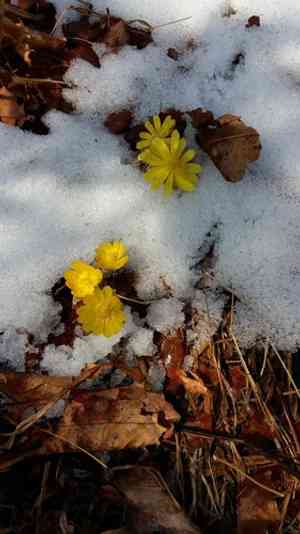
Amur adonis (Adonis amurensis)
Also known as: Amur Adonis, Fukuju-so
The Amur adonis derives its name from the Amur River region in East Asia, which contributes to the first part of its name, and from Adonis, the Greek god symbolizing beauty. This plant is known for its early blooming period, often appearing in late winter or early spring. Its bright yellow flowers have a lustrous, almost waxy texture and are typically attractive to butterflies.
Attributes of Amur adonis
Images of Amur adonis
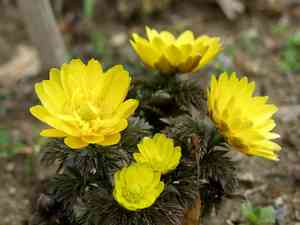
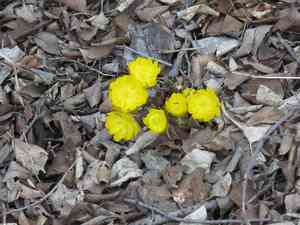
Quickly Identify Amur adonis
Scientific Classification of Amur adonis
Planting and Growing of Amur adonis
 How to Water Amur adonis?
 What Are the Sunlight Requirements for Amur adonis?
 What Is the Ideal Temperature Range for Amur adonis?
 What Soil is Best for Amur adonis?
 How to Fertilize Amur adonis?
 How to Prune Amur adonis?
 How to Propagate Amur adonis plant?
 How to Repot Amur adonis plant?
Toxicity of Amur adonis
Is Amur adonis toxic to humans?
Currently, there are no specific reports indicating that amur adonis is toxic. However, it is crucial to remain cautious since numerous species within the Adonis genus have demonstrated harmful effects. It is generally thought that all parts of the amur adonis plant could be toxic, albeit with likely mild effects. If we consider the related species, Adonis aestivalis, amur adonis may also contain glycosides and potentially protoanemonin. Although the toxic substances are probably not readily absorbed by the body, this should not be interpreted as a license to consume it! Further research is necessary.



