How to Prune Inland leather fern?
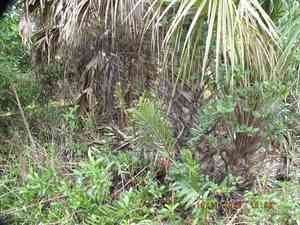
A resilient, tropical fern frequently encountered in marshy environments, inland leather fern thrives most effectively with limited trimming, solely to eliminate deceased or impaired fronds. The ideal time for trimming is from late winter to early spring, precisely before fresh development commences. Pruning during this timeframe aids in preserving a neat look and fosters robust foliage without diminishing the plant's vitality. Employ sanitized, sharp cutting tools to avert illness, and refrain from excessive pruning, as this can cause stress to inland leather fern. Proper trimming of inland leather fern can also improve air circulation, thereby lessening fungal problems.
Advantages of Trimming Inland Leather Fern
Advantages of Trimming Inland Leather Fern
Trimming inland leather fern promotes robust development and helps maintain its desired shape. Regular removal of aged fronds encourages healthy new shoots, boosting the plant's vitality and visual appeal.
Optimal Period for Trimming Inland Leather Fern
Optimal Period for Trimming Inland Leather Fern
Trimming inland leather fern in late winter or early spring aligns with the period just before the start of its new growth cycle. This timing ensures that any cuts made will soon be followed by fresh growth as the growing season commences. Pruning during these seasons also allows the plant to recover from cuts without the stress of extreme weather conditions like mid-summer heat or autumn's early frosts. Furthermore, since inland leather fern lacks a significant flowering or fruiting period that would dictate pruning times, the late winter to early spring window minimizes the risk of removing potential buds and maximizes the plant's energy for producing healthy new fronds. Maintaining inland leather fern's shape and removing any damaged or diseased fronds during this time will contribute to the overall health and aesthetic of the plant.
Tools Required for Trimming Inland Leather Fern
Hand Pruners
Perfect for making clean cuts on fronds less than 3/4 inches in diameter, ensuring rapid healing and minimal harm to inland leather fern.
Loppers
Best for cutting through thicker, woodier fronds or stems on inland leather fern. The extended handles provide leverage, making pruning easier on the hands and arms.
Pruning Saw
For the occasional larger stem that may be too thick for loppers, a pruning saw helps make precise cuts without damaging the surrounding foliage of inland leather fern.
Gardening Gloves
Essential for protecting hands from sharp fronds while working with inland leather fern, also providing a better grip on tools.
How to Trim Inland Leather Fern
Identify diseased and withered leaves
Carefully inspect inland leather fern to pinpoint any leaves showing signs of illness or those that have dried out. These are the leaves that need to be removed to preserve the fern's health and appearance.
Sanitize tools
Before beginning the trimming process, ensure that pruning tools are clean and disinfected. This can be achieved by wiping the blades with a solution of one part bleach to nine parts water or using alcohol wipes to prevent disease transmission.
Trim diseased leaves
Using pruning shears, carefully remove any diseased leaves from inland leather fern by cutting them at their base where they connect to the stem or rhizome. Be careful not to harm any healthy parts of the plant.
Trim withered leaves
Remove withered leaves from inland leather fern in the same manner, cutting at the base to avoid leaving stubs that could serve as entry points for pests or diseases.
Cleanup
Properly dispose of the removed leaves by placing them in a bin or bag. Avoid leaving them around inland leather fern, as decaying foliage can attract pests and diseases. Clean up the area to complete the trimming process.
Common Trimming Errors with Inland Leather Fern
Excessive trimming
Removing too much foliage at once can stress inland leather fern, leading to stunted growth and reduced vigor. A good guideline is to never remove more than one-third of the plant's foliage during a single trimming session.
Incorrect cuts
Making cuts in the wrong spot can harm inland leather fern. Pruning cuts should be made close to the base of the frond, near the central stalk (rhizome), to avoid leaving stubs that can rot and invite disease.
Using dull tools
Dull or dirty pruning tools can crush the stems of inland leather fern and introduce pathogens. It's crucial to use sharp, sterilized cutting tools for clean cuts that heal quickly.
Trimming healthy fronds
Removing healthy, vibrant fronds can unnecessarily weaken inland leather fern. Focus on removing only damaged, dead, or diseased fronds to maintain the plant's health and aesthetic value.
General Trimming Advice for Inland Leather Fern
Selective trimming
Selective trimming of old or diseased fronds from inland leather fern promotes better air circulation and light penetration, which can enhance the plant's overall health and appearance.
Maintain plant form
Trimming inland leather fern should aim to preserve its natural shape. Focus on thinning out rather than shearing to maintain the plant’s organic structure and optimize its growth patterns.
Sterilize equipment
Always sterilize pruning tools before and after use on inland leather fern to prevent the spread of diseases. Wiping blades with alcohol or a bleach and water solution is effective.
Encourage new growth
By cutting back older fronds, you can stimulate inland leather fern to produce fresh, new growth. This practice can help rejuvenate the fern's appearance over time.



