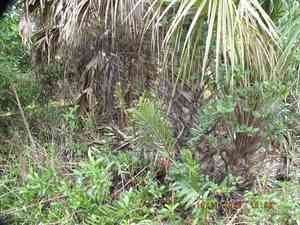
Inland leather fern (Acrostichum danaeifolium)
Also known as: Leather fern
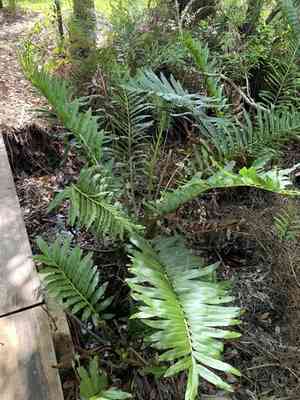
The Inland leather fern (Acrostichum danaeifolium) is a substantial, perennial fern with robust, arching fronds that can grow up to 12 feet long. Its glossy, dark green leaflets are tough and leathery, making them well-suited for survival in shaded, humid environments. This fern predominantly inhabits tropical and subtropical wetlands, including swamps and mangroves. Unique to its appearance and ecological role, the spore-bearing structures are located on the underside of the fronds. The plant is well-adapted to both freshwater and brackish conditions, often thriving in coastal and riverine ecosystems.
In This Article
Attributes of Inland leather fern
Lifespan
Perennial
Plant Type
Fern
Plant Height
1.2 m to 2.5 m
Spread
90 cm to 1.5 m
Leaf Color
Dark green
Flower Size
Not applicable (ferns do not produce flowers)
Flower Color
Not applicable (ferns do not produce flowers)
Images of Inland leather fern
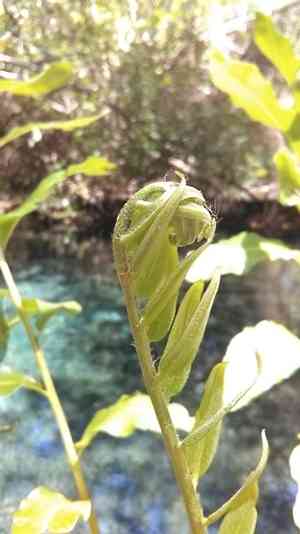
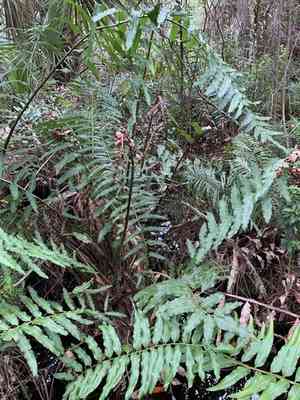
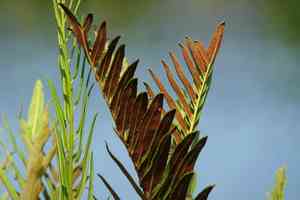
Quickly Identify Inland leather fern
1
Identify Acrostichum danaeifolium by its large, leathery fronds that can grow up to 3 meters long. The fronds are pinnate and have a glossy texture. Look for sori (spore-producing structures) that cover the entire underside of the upper fronds.
Scientific Classification of Inland leather fern
Phylum
Vascular plants
Class
Ferns
Order
Polypodiales
Family
Brake
Genus
Leatherferns
Species
Inland leather fern
Planting and Growing of Inland leather fern
Care Difficulty
Easy
Watering Schedule
Every 3 days
Sunlight Requirements
Full sun
Sunshine Duration
6-12 hours
Ideal Temperature
68-77℉
Soil Type
Potting Mix, Peat Mix
Soil pH
6.5-7.5
Fertilizer Type
Balanced
Pruning Season
Spring, Summer
Pruning Area
Branches, Leaves
Pruning Frequency
Once a year
Repotting Season
Spring
Pot Type
Plastic, Ceramic
 How to Water Inland leather fern?
For Acrostichum danaeifolium, ensure the soil is consistently moist but not waterlogged. This means watering once the top inch of soil feels dry to the touch, until you see water drain out of the bottom of the pot, which usually amounts to about 500 ml.
What are the symptoms of an underwatered Inland leather fern?
›
What should I do if my Inland leather fern is not getting enough water?
›
What are the symptoms of an overwatered Inland leather fern?
›
How to save an overwatered Inland leather fern?
›
 What Are the Sunlight Requirements for Inland leather fern?
Acrostichum danaeifolium prefers a light range from full sun to partial sun, ideally benefiting from 5 to 8 hours of daily exposure. This mimicry of its natural environment promotes optimal growth, ensuring strong and healthy fronds.
What is the best sunlight condition for Acrostichum danaeifolium?
›
How can I ensure optimal light exposure for this plant?
›
What benefits does ideal lighting provide to Acrostichum danaeifolium?
›
 What Is the Ideal Temperature Range for Inland leather fern?
Acrostichum danaeifolium thrives best within a temperature range of 68°F to 77°F. Within this range, the plant can maintain optimal photosynthesis and physiological functions. It ensures stable growth, vibrant foliage, and adaptation to the environmental conditions typical of its native habitat. Maintaining this temperature range helps prevent stress and promotes robust plant health.
 What Soil is Best for Inland leather fern?
Acrostichum danaeifolium thrives in well-drained soils that prevent waterlogging. This is crucial as stagnant water can lead to root rot, detrimental to the plant's overall health. This plant prefers soil enriched with organic material to fuel its growth. The nutrients in rich organic soil provide the plant with the necessary elements for vibrant foliage and fortified root systems. While the soil needs to be well-draining, it should also retain enough moisture to keep the plant hydrated, particularly in warmer climates. Hence, soils with a good balance of drainage and moisture retention work best.
 How to Fertilize Inland leather fern?
For Acrostichum danaeifolium, the fertilizer amount is crucial for optimal growth. Provide approximately 50 grams of balanced slow-release fertilizer three times a year. When using liquid fertilizer, dilute it to half the recommended strength to prevent over-fertilization.
 How to Prune Inland leather fern?
Start by identifying the dead or yellowing fronds. Cut these off at their bases, close to the main stem, using sharp shears. This prevents further decay and makes room for new growth. If you aim to control size, selectively trim the longest fronds to maintain the plant's aesthetic. When trimming, always be careful not to remove more than a third of the plant at once, as this could stress the fern. After pruning, applying a balanced fern fertilizer can promote healthier and quicker recovery. Always discard the removed fronds properly to prevent disease spread.
More About Pruning Techniques→
 How to Propagate Inland leather fern plant?
1
Sow seeds in a moist, well-draining potting mix. Cover with a thin layer of soil and maintain consistent moisture. Place in a warm, bright area to encourage germination.
2
Carefully dig up the plant and gently separate the rhizomes. Ensure each division has at least one healthy root and some foliage. Replant immediately to prevent stress.
3
Use a well-draining soil mix to pot each division. Water thoroughly after planting to reduce transplant shock and help the roots establish in their new environment.
 How to Repot Inland leather fern plant?
1
Repotting Acrostichum danaeifolium is necessary when its roots start circling the pot, drainage becomes poor, or growth seems stunted. These are signals that the plant requires more space and fresh nutrients for vigorous growth.
2
Select a pot that is 2 inches larger in diameter than the current one with drainage holes. A breathable material like terra cotta is beneficial because it allows excess moisture to evaporate, preventing root rot and promoting healthy root structure.
3
Choose soil that is rich in organic matter to provide nutrients and is well-draining to prevent waterlogging. A mix suitable for tropical plants or a general houseplant mix with added sand or perlite works best for maintaining the perfect moisture balance.



