How to Prune Monk's-hood?
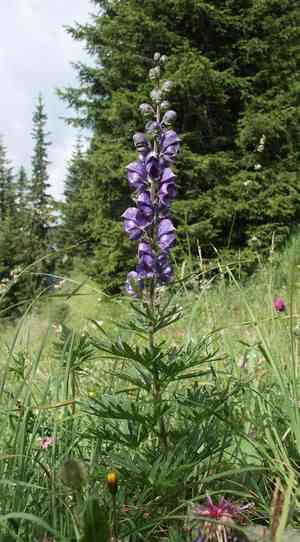
Celebrated for its distinctive hood-shaped blossoms, monk's-hood thrives as a lofty, non-woody perennial. In spring, trim away deceased leaves to stimulate development. After flowering, snip off faded flower stems to foster a neat look. During autumn, perform a light trim for the plant's well-being, eliminating any compromised stalks. This timing corresponds with growth cycles to boost vitality and floral production. For monk's-hood specifically, wearing protective gloves is essential during pruning, owing to its poisonous characteristics. Advantages of pruning encompass managing dimensions, hindering self-propagation, and strengthening the subsequent season's flowering.
What Are the Benefits of Pruning Monk's-hood?
What Are the Benefits of Pruning Monk's-hood?
Trimming monk's-hood promotes more robust, abundant blooms, helps keep a compact, attractive form, and revitalizes the plant, leading to more vigorous development.
What Is the Best Time for Pruning Monk's-hood?
What Is the Best Time for Pruning Monk's-hood?
Pruning in Early Spring enables monk's-hood to channel energy into new growth after winter dormancy, enhancing plant structure and vitality before the growing season begins. Late Summer pruning is beneficial for shaping monk's-hood, removing faded flowers, and managing its size, which can prevent fungal issues by improving air circulation. Early Fall is suitable for light trimming to neaten monk's-hood, but extensive pruning should be avoided to prevent new growth that might not harden off before winter freezes. These periods ensure the well-being of monk's-hood by aligning pruning activities with its natural growth cycle and are most favorable for recovery and flowering.
What Tools Do I Need to Prune Monk's-hood?
Bypass Pruners
Ideal for making clean cuts on the relatively slender stems of monk's-hood, bypass pruners minimize damage to plant tissues, fostering healthier growth post-pruning.
Gardening Gloves
Given the poisonous nature of monk's-hood, wearing gloves is essential to safeguard skin from potential irritation or toxicity while handling the plant.
Pruning Shears
Perfect for snipping off dead or overgrown stems, pruning shears offer precision and ease of use for maintaining the shape and health of monk's-hood.
Garden Scissors
For more delicate tasks and deadheading spent blooms of monk's-hood, garden scissors provide the necessary control and accuracy.
Disinfectant
To prevent the spread of disease when cutting multiple plants or after removing diseased material from monk's-hood, cleaning the tools with a disinfectant is advised.
How to Prune Monk's-hood
Cleaning Tools
Sanitize pruning tools before beginning to prevent the transmission of disease to or from monk's-hood. Use a bleach or alcohol solution to wipe down blades.
Diseased Leaves
Carefully remove any diseased leaves by cutting them at the stem's base. Dispose of these leaves away from healthy plants to avoid contamination.
Withered Leaves
Trim back withered leaves to just above a healthy leaf set or a new growth bud to encourage monk's-hood to direct energy to healthy development.
Withered Flowers
Deadhead spent blossoms by snipping the flower stem below the faded flower and above an emerging bud or leaf to promote a neat appearance and potentially stimulate further blooming.
Cleanup
Gather and dispose of all pruned material in a way that it does not pose a risk to other plants, and clean the tools again after use to maintain their condition for future pruning.
Common Pruning Mistakes with Monk's-hood
Excessive Pruning
Removing too much foliage from monk's-hood at once can lead to stress and reduced vigor. It's important to prune conservatively, focusing on dead or diseased material and maintaining plant shape.
Incorrect Tool Use
Using dull or dirty pruning tools can damage the stems of monk's-hood, leaving ragged cuts that are susceptible to disease. Use sharp, clean tools for clean cuts.
Tearing Stems
Forcibly tearing stems instead of cutting can lead to unnecessary injury to monk's-hood. Precise cuts should be made to avoid damaging the plant's vascular system.
Ignoring Plant Health
Failing to assess monk's-hood's overall health before pruning may result in cutting away healthy growth instead of targeting areas in need. Evaluate the plant to identify specific areas that require attention.
Common Pruning Tips for Monk's-hood
Protective Gear
Due to monk's-hood's toxic nature, wearing gloves, long sleeves, and eye protection is crucial to avoid skin and eye irritation.
Selective Cutting
Focus on removing only the dead or diseased stems and spent flowers of monk's-hood to promote healthier growth and improve air circulation around the plant.
Pruning Angle
Cut stems of monk's-hood at a 45-degree angle about a quarter inch above a bud that is facing outwards. This helps encourage water runoff and new outward growth.
Cleanliness
Clean the pruning tools before and after use on monk's-hood to prevent the spread of disease. Disinfect tools with alcohol or a bleach solution.



