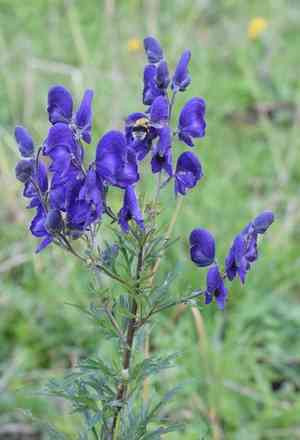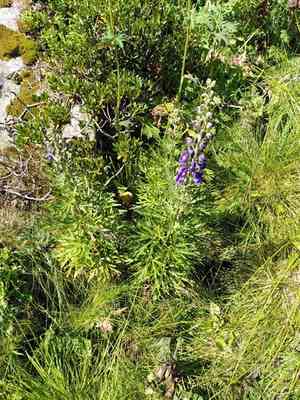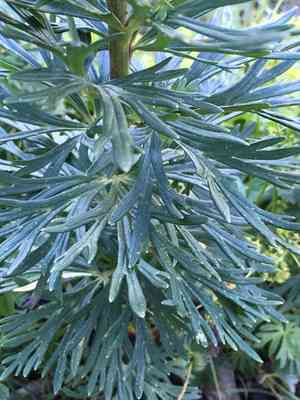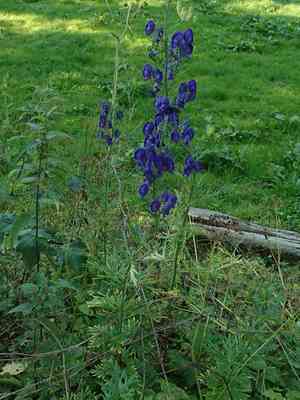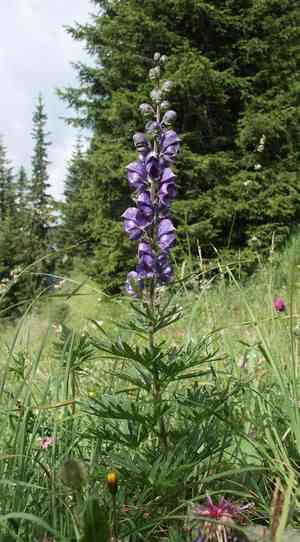
Monk's-hood(Aconitum napellus)

Monk's-hood (Aconitum napellus)

Also known as: Wolfsbane, Auld wife's huid, Helmet flower, Garden monkshood

Monk's-hood (Aconitum napellus) is an extremely toxic plant that is native to western and central Europe. It is deadly if ingested and its toxic properties can be absorbed through the skin, so the plant must never be handled without gloves. It has a long history of being used as a poison. In mid-summer, it produces dark purple-blue flowers.

Attributes of Monk's-hood

Lifespan
Perennial, Annual
Plant Type
Herb
Plant Height
1 m
Spread
45 cm
Leaf Color
Green
Flower Size
2.5 cm to 5 cm
Flower Color
Blue Purple White Pink Violet

ForwardPlant - Identify plants with a snap

Identify and diagnose plants, get toxicity alerts, and explore safety guides for all types of fungi.

Try for Free

Images of Monk's-hood

Monk's-hood(Aconitum napellus)

Quickly Identify Monk's-hood

1
This plant can be identified by its tall, spikelike clusters of dark blue to violet flowers, deeply lobed leaves, and its tall stature reaching between 1-1.5 meters. Avoid handling without protection due to its toxicity.

Scientific Classification of Monk's-hood

Phylum
Vascular plants
Class
Dicotyledons
Order
Ranunculales
Family
Buttercup
Genus
Monkshood
Species
Monk's-hood

Planting and Growing of Monk's-hood

Care Difficulty
Hard
Watering Schedule
Every 5 days
Sunlight Requirements
Partial sun
Sunshine Duration
4-6 hours
Ideal Temperature
60-75℉
Soil Type
Potting Mix, Peat Mix
Soil pH
6.5-7.5
Fertilizer Type
Balanced
Pruning Season
Spring, Summer
Pruning Area
Branches, Leaves
Pruning Frequency
2 times a year
Repotting Season
Spring
Pot Type
Plastic, Ceramic

water icon How to Water Monk's-hood?

When watering Aconitum napellus, aim to give it around 250 ml each time. Ensure that the water soaks through the soil, reaching the roots, but avoid leaving the soil waterlogged. The principle is to maintain even moisture without drowning the plant.
What are the symptoms of an underwatered Monk's-hood?
What should I do if my Monk's-hood is not getting enough water?
What are the symptoms of an overwatered Monk's-hood?
How to save an overwatered Monk's-hood?
More About Watering Techniques

sunlight icon What Are the Sunlight Requirements for Monk's-hood?

Sunlight Requirements: Partial sun, Full shade
Duration of light: 4-6 hours of sun
Aconitum napellus flourishes with partial sun to full shade. Ideal lighting supports lush, healthy foliage and encourages the production of striking, vibrant flowers.
What is the ideal lighting for Aconitum napellus?
How can I achieve ideal lighting?
What are the benefits of ideal lighting?
More About Sunlight Requirements Techniques

temperature icon What Is the Ideal Temperature Range for Monk's-hood?

Ideal Temperature: 60 ~ 75℉
Aconitum napellus, known as monkshood, thrives best in temperatures between 60°F and 75°F. These temperatures mimic its natural alpine habitat, encouraging robust growth and flowering. For indoor cultivation, consistent temperature maintenance within this range ensures healthy development.

soil icon What Soil is Best for Monk's-hood?

Soil type: Loam, Acidic soil, Sandy loam
Soil PH: 6.5 ~ 7.5
Aconitum napellus thrives in well-drained soil that prevents root rot and waterlogging. This helps the plant absorb water efficiently, promoting vigorous growth and robust flowering. While good drainage is crucial, the soil for Aconitum napellus should also retain moisture to ensure that the plant is consistently hydrated, supporting lush foliage and healthy growth. Soil rich in organic matter provides the essential nutrients Aconitum napellus needs for sustained growth. A fertile substrate enhances the plant's vitality and the brilliance of its blooms. More About Soil

fertilize icon How to Fertilize Monk's-hood?

Fertilizer type: Balanced
Aconitum napellus, commonly known as monkshood, requires careful fertilization. It prefers a balanced, water-soluble fertilizer, typically a 10-10-10 NPK ratio. Apply at a rate of 2 tablespoons per gallon of water. Ensure the soil is moist before applying liquid fertilizer to avoid root burn. More About Fertilizing Techniques

prune icon How to Prune Monk's-hood?

Pruning Time: Spring, Summer
Start by pruning away any dead or discolored stems and foliage at the base. This clears the plant of unwanted material, allowing fresh growth to thrive and maintaining its overall health. Identify and remove crowded or overlapping stems to improve air circulation within the plant. This reduces the risk of fungal infections and encourages more uniform growth across the plant. Trim Aconitum napellus to maintain its desired shape by cutting back excessively tall or unruly stems. Follow the natural contours of the plant to ensure an aesthetically pleasing and balanced appearance. More About Pruning Techniques

propagate icon How to Propagate Monk's-hood plant?

Propagate Time: Spring, Early summer
1
To propagate Aconitum napellus effectively, prepare a well-draining soil mixture comprising peat, perlite, and sand. This combination ensures adequate drainage while retaining enough moisture for seed germination or root development.
2
When propagating via seeds, sow them in the prepared seed trays. Lightly cover the seeds with soil and maintain consistent moisture by misting the surface. Proper light exposure is crucial for germination, so place trays in a bright area away from direct sunlight.
3
For cuttings or divisions, carefully cut a healthy section of the plant using sterilized tools. Ensure that each section has a piece of the root system attached. Plant the divisions in individual pots filled with the prepared soil mixture. Keep them in a shaded area initially to minimize stress.
More About Propagating Techniques

repot icon How to Repot Monk's-hood plant?

Repotting frequency: Every 2-3 years
1
Aconitum napellus signals its need for repotting when roots start encircling the pot, growth seems stunted, or water drainage becomes poor. These are clear signs the plant has outgrown its current container, typically needing attention every 2-3 years.
2
Select a pot that’s about 2 inches wider in diameter than the current one to give roots room to expand. The material should allow airflow, like terracotta, benefiting the plant by preventing root rot and ensuring healthier growth.
3
Opt for well-draining sandy loam soil, which not only provides the necessary nutrients but also ensures excess water doesn’t linger, helping prevent root rot. The loose texture is ideal for ensuring ongoing plant health.

ForwardPlant - Identify plants with a snap

Find the best spots for them to optimize their health, simply using your phone.

Try for Free

Toxicity of Monk's-hood

Is Monk's-hood toxic to humans?

Monk's-hood represents a considerable threat to human health due to its extremely high toxicity. Each component of the plant contains the powerful toxin aconitine, which can result in poisoning when ingested. Even minimal amounts of aconitine, when accidentally consumed, can interfere with the normal operations of the nervous system. The symptoms of poisoning are severe and may encompass a burning feeling in the mouth, vomiting, diarrhea, lowered blood pressure, irregular heartbeats, and serious neurological effects such as numbness, tingling, and potentially fatal paralysis affecting the heart and respiratory functions. The entirety of the plant is toxic, and there isn't any safe part for consumption, necessitating a strict avoidance of accidental ingestion and careful handling.

Is Monk's-hood toxic to cat?

Monk's-hood is extremely hazardous to cats and demonstrates severe toxicity when ingested. If a cat mistakenly consumes any portion of the plant, the outcomes can be severe since the entire monk's-hood is poisonous. The toxic substance, aconitine, impacts cats rapidly, resulting in symptoms that indicate considerable physical distress. To safeguard feline wellbeing, it is essential to restrict access to monk's-hood and to monitor for any signs of discomfort or abnormal behavior. If poisoning is suspected, it is vital to obtain prompt veterinary assistance to ensure the best opportunity for recovery.

Is Monk's-hood toxic to dog?

Monk's-hood represents a significant danger to the health of dogs because of its potent toxicity. If dogs inadvertently consume any portion of the monk's-hood plant, they can suffer poisoning since the entire plant is harmful. After ingestion, affected dogs might show signs including gastrointestinal distress, irregular heart rhythms, and neurological impairment. The harmful effects of this plant are primarily attributed to the presence of aconitine. If you believe your dog has consumed monk's-hood, it is crucial to obtain prompt veterinary assistance to manage the poisoning.

Identify toxic plants for your safety

Learn which plants are harmful to you and your pets, and make informed choices for a safer home!

Try for Free
WARNING
The judgment on toxicity and danger is for reference only. We DO NOT GUARANTEE any accuracy of such judgment. Therefore, you SHALL NOT rely on such judgment. It is IMPORTANT TO SEEK PROFESSIONAL ADVICE in advance when necessary.
More About Toxic Techniques