How to Prune Argentinian biddy biddy?
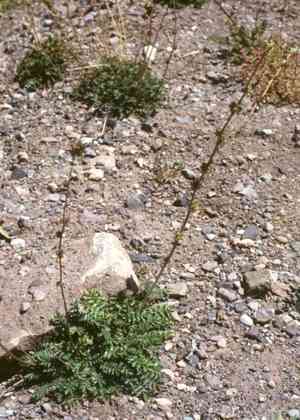
Argentinian biddy biddy showcases decorative leaves and sharp burrs. The best periods for trimming are early spring and late winter, aligning with its inactive phase. Employ sanitized, keen implements to eliminate deceased or compromised stalks and reduce dense sections to improve air circulation. Consistent trimming fosters more robust development and vivid foliage, discouraging infestations and ailments. Concentrate on gently shaping the plant to preserve its inherent structure. Adhering to proper pruning techniques boosts the plant's general strength and visual attractiveness.
What Are the Benefits of Pruning Argentinian Biddy Biddy?
What Are the Benefits of Pruning Argentinian Biddy Biddy?
Pruning Argentinian biddy biddy encourages robust development and maintains its form. Consistent trimming helps manage its dimensions, prevents congestion, and boosts overall vitality by eliminating dead or diseased sections.
What Is the Best Time for Pruning Argentinian Biddy Biddy?
What Is the Best Time for Pruning Argentinian Biddy Biddy?
Trimming Argentinian biddy biddy in early spring or late winter aligns with its natural dormant phase, reducing stress and fostering strong growth. During these periods, Argentinian biddy biddy is less prone to disease or pest infestations. Pruning at these times also ensures the plant conserves energy for new growth and blooms, resulting in a healthier and more attractive appearance.
What Tools Do I Need to Prune Argentinian Biddy Biddy?
Bypass Pruners
Perfect for making clean cuts on living stems and branches. Their sharp blades allow for accuracy without crushing plant tissue.
Hedge Shears
Useful for efficiently trimming and shaping dense growth. They help maintain the form of Argentinian biddy biddy and control its spread.
Hand Pruners
Excellent for detailed pruning of smaller stems. They are effective in reaching tight spaces and ensuring precise cuts.
Pruning Saw
Essential for cutting through thicker, woody stems that may develop as Argentinian biddy biddy matures. Ensure it's a quality saw with sharp teeth for effortless cutting.
How to Prune Argentinian Biddy Biddy
Inspect
Examine Argentinian biddy biddy for any diseased or withered foliage that requires removal. Use sharp, sterilized pruning shears to prevent the spread of potential pathogens.
Remove Diseased Leaves
Carefully snip off any diseased leaves at their base. Ensure you do not tear the leaf, as this can cause further harm to the plant.
Remove Withered Leaves
Identify dried-up leaves and prune them to help redirect the plant's energy to healthier parts. Cut these leaves close to the stem without causing damage.
Dispose Debris
Gather all pruned leaves and discard them away from the plant to prevent any potential fungal or bacterial spread.
Clean Tools
After pruning, sanitize your tools with a disinfectant solution to ensure they are ready for future use without risking contamination.
Common Pruning Mistakes with Argentinian Biddy Biddy
Improper technique
Many gardeners might use dull or incorrect tools, leading to jagged cuts that can harm the plant. Always use clean, sharp pruning shears for a clean cut.
Over-pruning
Cutting back too much of the plant can cause stress and reduce overall health. It can also negatively impact flowering. Avoid removing more than one-third of the plant at a time.
Inadequate disinfection
Failing to disinfect tools between cuts can spread diseases. Always clean your pruning tools with alcohol or a bleach solution to minimize infection risk.
Ignorance of plant structure
Not understanding the natural growth pattern of Argentinian biddy biddy can result in haphazard cutting, disrupting its shape and growth habits. Familiarize yourself with its growth form before you begin pruning.
Common Pruning Tips for Argentinian Biddy Biddy
Use sharp tools
Ensure your tools are sharp and clean to make precise cuts. This minimizes damage and promotes faster healing.
Prune for shape
Aim to maintain the natural shape and size of Argentinian biddy biddy by trimming back overgrown stems. Focus on removing dead or damaged branches first.
Make clean cuts
Cut just above a bud or branch junction to encourage new growth in a controlled manner. Avoid leaving stubs as they can become entry points for diseases.
Regular assessments
Regularly monitor the plant's growth to identify any parts that may need removal. Timely pruning can prevent the plant from becoming overgrown and unmanageable.
Encourage air circulation
Trim the inner branches to enhance air circulation within the plant. This helps in preventing fungal infections and promotes a healthier plant.



