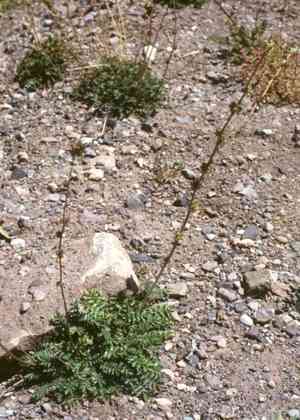
Argentinian biddy biddy (Acaena pinnatifida)
Also known as: Sheep's Burr
Burdock is a robust biennial plant recognized for its large, textured leaves. It flourishes in well-drained soil and can often be found in various environments, including roadsides and fields. The plant's unique method of propagation involves its round, sticky burrs that latch onto animals and people, aiding in the dispersal of its seeds. This characteristic ensures that burdock maintains its presence across diverse landscapes.
In This Article
Attributes of Argentinian biddy biddy
Lifespan
Perennial
Plant Type
Herb
Plant Height
5-15 cm (2-6 in)
Spread
Spreads widely via creeping stems, covering a large area
Leaf Color
Green
Flower Size
Small, less than 1 cm
Flower Color
Inconspicuous; typically greenish to reddish
Images of Argentinian biddy biddy
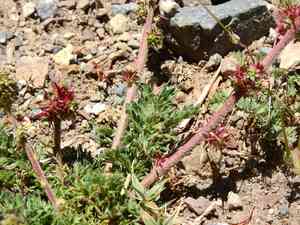
Quickly Identify Argentinian biddy biddy
1
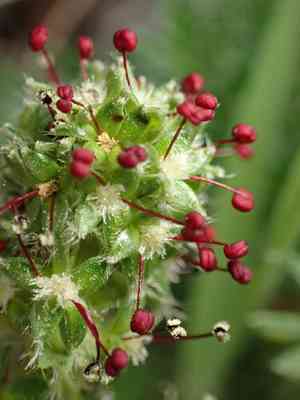
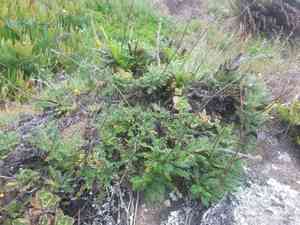
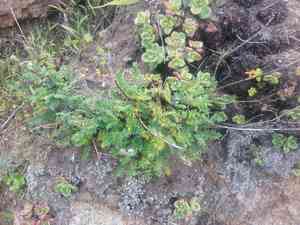
Identify Acaena pinnatifida by its pinnate leaves, which are divided into numerous small, serrated leaflets. The plant often forms a dense mat and features small, inconspicuous flowers followed by spiky burrs.
Scientific Classification of Argentinian biddy biddy
Phylum
Vascular plants
Class
Dicotyledons
Order
Rosales
Family
Rose
Genus
Acaena
Species
Argentinian biddy biddy
Planting and Growing of Argentinian biddy biddy
Care Difficulty
Moderate
Watering Schedule
Every 2 days
Sunlight Requirements
Full sun
Sunshine Duration
6-8 hours
Ideal Temperature
50-75℉
Soil Type
Potting Mix, Peat Mix
Soil pH
6.5-7.5
Fertilizer Type
Balanced
Pruning Season
Spring, Summer
Pruning Area
Branches, Leaves
Pruning Frequency
2 times a year
Repotting Season
Spring
Pot Type
Plastic, Ceramic
 How to Water Argentinian biddy biddy?
Acaena pinnatifida requires moderate watering. The aim is to keep the soil evenly moist without becoming waterlogged. Always ensure that water penetrates down to the root zone but doesn't leave the soil soggy.
What are the symptoms of an underwatered Argentinian biddy biddy?
›
What should I do if my Argentinian biddy biddy is not getting enough water?
›
What are the symptoms of an overwatered Argentinian biddy biddy?
›
How to save an overwatered Argentinian biddy biddy?
›
 What Are the Sunlight Requirements for Argentinian biddy biddy?
Ideal exposure includes full to partial sun, granting the plant robust growth, increased vigor, and resistance to pests. Adequate light fosters healthy foliage and promotes vibrant blooms.
Creating Ideal Lighting Conditions for Acaena pinnatifida
›
Specific Actions to Ensure Optimal Light Exposure
›
Benefits of Achieving Ideal Sunlight Conditions
›
 What Is the Ideal Temperature Range for Argentinian biddy biddy?
The ideal temperature range for Acaena pinnatifida is between 50°F and 75°F. Maintained within this range, the plant can optimize its photosynthetic processes and maintain a healthy growth rate. At these temperatures, the enzymes responsible for growth functions perform optimally without being denatured by heat or slowed by cold.
 What Soil is Best for Argentinian biddy biddy?
Acaena pinnatifida requires well-draining soil to prevent root rot and ensure healthy growth. Loamy or sandy loam soil types offer excellent drainage properties, allowing excess water to escape quickly and preventing waterlogged conditions that could harm the plant. While Acaena pinnatifida is not overly demanding, providing nutrient-rich soil can support vigorous growth. A soil mix enriched with organic matter like compost or well-rotted manure can improve the soil structure and provide essential nutrients for robust plant development. The ideal soil for Acaena pinnatifida balances drainage with the ability to retain adequate moisture. Sandy loam soils provide this balance, ensuring the plant gets enough water to thrive without the risk of oversaturation.
 How to Fertilize Argentinian biddy biddy?
Acaena pinnatifida has specific nutrient needs, and overloading it might be detrimental. Use a balanced liquid fertilizer diluted to half strength, ensuring the application is gentle yet effective. For solid fertilizers, a light sprinkling that covers the soil surface is optimal, ensuring nutrients reach the root zone without overwhelming the plant.
 How to Prune Argentinian biddy biddy?
While regular pruning is beneficial, over-pruning can stress the plant, leading to reduced growth and fewer flowers. Aim to remove no more than one-third of the plant at any one time. Acaena pinnatifida is more responsive to pruning during its active growing seasons, primarily spring and summer. Prune lightly in autumn to prepare for winter dormancy, avoiding any heavy cutting at this time.
More About Pruning Techniques→
 How to Propagate Argentinian biddy biddy plant?
1
Soak the seeds in warm water for 24 hours to soften the seed coat and improve germination rates. After soaking, dry them gently with a paper towel.
2
Choose a healthy, mature stem and cut a 4-6 inch section below a node. Remove any leaves from the lower half of the cutting to prevent rot during the rooting process.
3
Select a healthy clump of the plant and carefully divide it into smaller segments using a sharp knife, ensuring each segment has sufficient roots for successful replanting.
 How to Repot Argentinian biddy biddy plant?
1
Acaena pinnatifida needs repotting when you notice roots coming out of the drainage holes or when its growth noticeably slows. These signs typically occur every couple of years, indicating it's time for a more spacious environment.
2
Select a pot that is one size larger than the current one to give roots room to expand. Ensure it has adequate drainage holes to prevent waterlogging, which can lead to root rot. A slightly wider pot helps maintain plant stability as it grows.
3
Opt for a well-draining sandy loam mix. This provides the necessary air circulation around the roots and promotes proper drainage, preventing root rot. Ensure the soil maintains moisture balance efficiently.
Learn More About Argentinian biddy biddy Diseases
Anthracnose
Bacterial Leaf Spot
Bacterial Wilt
Black Spot
Chemical Injury
Crown Gall
Cyst Nematode
Damping-off
Downy Mildew
Drought Stress
Fusarium Wilt
Gray Mold
Leaf Curl
Leaf Spot
Mosaic
Nutrient Deficiency
Nutrient Toxicity
Powdery Mildew
Root Rot
Root-knot Nematode
Rusts
Sooty Mold
Spider Mites
Temperature Stress
Thrips Damage
White Mold



