How to Prune Pale biddy biddy?
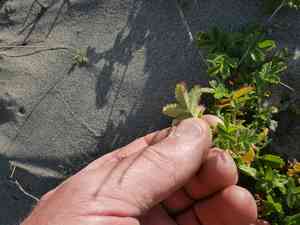
Pale biddy biddy is a ground-hugging perennial characterized by its unique fern-like leaves. Trim pale biddy biddy sparingly in late winter or early spring, prior to the emergence of new shoots. Concentrate on excising any lifeless or injured stalks and sculpting the plant to preserve its structure. Trimming stimulates more robust development and can avert excessive density. These methods contribute to keeping pale biddy biddy visually appealing and robust across the cultivation period.
Advantages of Trimming Pale Biddy Biddy
Advantages of Trimming Pale Biddy Biddy
Trimming pale biddy biddy encourages robust growth and helps maintain its form. It fosters healthy development, boosts leaf density, manages plant size, and reduces pest and disease risks, ensuring a strong and attractive garden presence.
Optimal Time for Trimming Pale Biddy Biddy
Optimal Time for Trimming Pale Biddy Biddy
Trimming pale biddy biddy in late winter to early spring is ideal as this period aligns with the end of its dormant phase. By trimming before new growth emerges, gardeners can shape the plant and remove any dead or damaged branches without hindering new development. This timing also lowers the chance of disease infections, which are more likely to affect fresh cuts made during active growth. Furthermore, trimming before the active growing season stimulates vigorous growth and improved flowering or fruiting.
Required Tools for Trimming Pale Biddy Biddy
Hand Pruners
These are suitable for minor trimming and shaping due to their precision, which is crucial for maintaining pale biddy biddy's small and delicate stems without causing undue harm.
Bypass Pruners
These are best for cutting live stems and branches, as they make clean cuts that promote quick healing and minimize disease entry points, benefiting pale biddy biddy's health and growth.
Pruning Shears
Utilize these for more extensive trimming tasks. They are perfect for cutting through slightly thicker stems and assist in managing larger sections of pale biddy biddy that may have become overgrown or tangled.
How to Trim Pale Biddy Biddy
Assessment
Examine pale biddy biddy for any indications of disease or wilting in its leaves. Carefully inspect both the upper and lower surfaces of leaves, as well as the stems.
Tools
Ensure your pruning shears or scissors are sterilized. This prevents the spread of disease. Prepare a container or bag to collect the trimmed pieces.
Removal of Diseased Leaves
Identify and remove any leaves showing signs of illness, such as discoloration or spots. Cut these leaves at their base, close to the stem, ensuring no damage to healthy plant parts.
Removal of Withered Leaves
Locate and trim withered or dead leaves. These are typically dry and brown. Remove them by cutting at the base of the leaf stem.
Disposal and Sterilization
Properly dispose of diseased and withered leaves in a sealed bag to prevent contamination. Sterilize pruning tools again after use to ensure they are clean for future use.
Common Trimming Errors with Pale Biddy Biddy
Incorrect cut placement
Making cuts too close to the stem or too far from the bud can harm pale biddy biddy or result in poor regrowth. Aim cuts just above a bud to guide new growth.
Over-trimming
Removing too much foliage at once can stress pale biddy biddy, reducing its vigor and overall health. It's vital to remove no more than one-third of the plant at a time.
Improper tool use
Using dull or dirty trimming tools can cause jagged cuts that invite disease. Always use sharp, clean tools to ensure precise cuts.
Ignoring dead or diseased wood
Leaving dead or diseased branches can lead to further health issues for pale biddy biddy. Regularly inspect and remove any compromised wood.
General Trimming Advice for Pale Biddy Biddy
Use clean, sharp tools
Ensure your trimming shears and saws are well-maintained to facilitate cleaner cuts and prevent disease transmission.
Make angled cuts
Trim at a 45-degree angle just above a bud to promote water runoff and prevent moisture accumulation that can lead to rot.
Thin strategically
Focus on removing crossing branches and thinning the center of pale biddy biddy to improve air circulation and light penetration, fostering healthier growth.
Limit trimming to maintaining shape
For pale biddy biddy, it's best to primarily trim for shape and health rather than aggressive size reduction. This will help maintain its natural form and promote healthy development.



