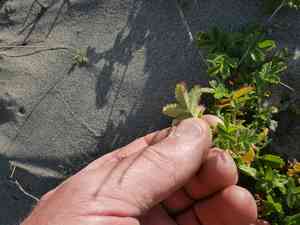
Pale biddy biddy (Acaena pallida)
Also known as: Sand piripiri
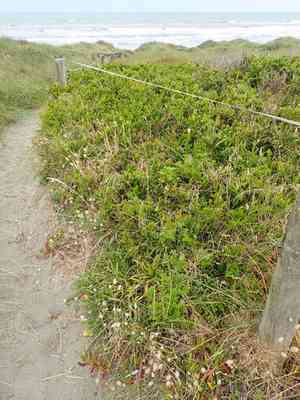
Pale biddy biddy is a plant known for its low, spreading growth pattern and delicate, finely-divided foliage that gives it a soft visual appeal. Its small, greenish flowers are quite subtle, but the plant is more easily recognized by its distinctive reddish burr-like seed heads that remain long after flowering. It excels in well-drained soils and is particularly suited to rocky or difficult landscapes, showcasing its resilience and adaptability.
In This Article
Attributes of Pale biddy biddy
Lifespan
Perennial
Plant Type
Herb
Plant Height
5-10 cm
Spread
up to 100 cm
Leaf Color
Blue-green
Flower Size
less than 1 cm
Flower Color
White to greenish
Images of Pale biddy biddy
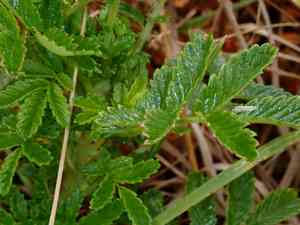
Quickly Identify Pale biddy biddy
1
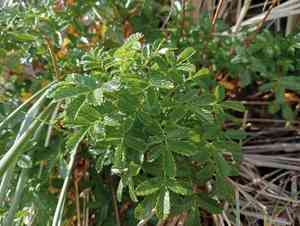
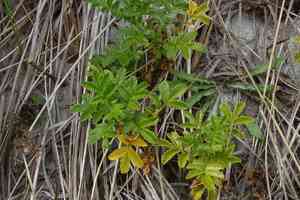
Acaena pallida can be identified by its low-growing, mat-forming habit, and unique burrs that have spiny appendages. The leaves are pinnate with a blue-green color, and the flowers, though not showy, develop into burrs with hook-like structures.
Scientific Classification of Pale biddy biddy
Phylum
Vascular plants
Class
Dicotyledons
Order
Rosales
Family
Rose
Genus
Acaena
Species
Pale biddy biddy
Planting and Growing of Pale biddy biddy
Care Difficulty
Moderate
Watering Schedule
Every 2 days
Sunlight Requirements
Partial sun
Sunshine Duration
6-10 hours
Ideal Temperature
60-75℉
Soil Type
Potting Mix, Peat Mix
Soil pH
6.5-7.5
Fertilizer Type
Balanced
Pruning Season
Spring, Summer
Pruning Area
Branches, Leaves
Pruning Frequency
2 times a year
Repotting Season
Spring
Pot Type
Plastic, Terracotta
 How to Water Pale biddy biddy?
For Acaena pallida, it's essential to water thoroughly but not excessively. Aim for about 250 ml each time, ensuring the soil is moist but not waterlogged. This amount is ideal to keep the plant hydrated without suffocating its roots.
What are the symptoms of an underwatered Pale biddy biddy?
›
What should I do if my Pale biddy biddy is not getting enough water?
›
What are the symptoms of an overwatered Pale biddy biddy?
›
How to save an overwatered Pale biddy biddy?
›
 What Are the Sunlight Requirements for Pale biddy biddy?
For Acaena pallida, the ideal light range includes partial sun to full sun conditions. Such exposure maximizes its growth potential and keeps it healthy by supporting robust photosynthesis and vibrant foliage appearance.
Solution for Ideal Lighting
›
Specific Measures for Sunlight
›
Benefits of Ideal Lighting
›
 What Is the Ideal Temperature Range for Pale biddy biddy?
Acaena pallida thrives in moderate temperatures, ideally between 60°F and 75°F. This range ensures optimal metabolic activities, facilitating growth and photosynthesis. Maintaining these temperatures minimizes stress and promotes flowering.
 What Soil is Best for Pale biddy biddy?
Acaena pallida thrives in well-drained soil which prevents waterlogging and roots rotting. A balanced moisture level in such soil supports healthy root growth and plant stability. This plant benefits from a nutrient-rich soil environment, as it ensures steady growth and vibrant foliage. Loamy soil is particularly good, as it typically contains a balanced mix of nutrients needed for plant health. Soil that offers good aeration is crucial for the Acaena pallida, as it ensures oxygen reaches the roots. This promotes better respiration and nutrient uptake, crucial for vigorous plant growth.
 How to Fertilize Pale biddy biddy?
For Acaena pallida, it's crucial to avoid over-fertilization. Use a balanced water-soluble fertilizer at half-strength, approximately 10 grams per plant in the growing season. This amount supports its growth without the risk of nutrient burn.
 How to Prune Pale biddy biddy?
Start by eliminating any dead or diseased branches. This ensures healthy growth and prevents the spread of disease. Trim back any errant or overgrown stems to retain a compact and appealing shape, which encourages a tidy and aesthetically pleasing appearance. Prune back a third of the oldest stems to ground level. This stimulates new growth and increases density.
More About Pruning Techniques→
 How to Propagate Pale biddy biddy plant?
1
Collect mature seeds and clean them properly. Soak them in water overnight to improve germination. Use well-draining soil in seed trays and plant seeds at the recommended depth.
2
Choose healthy stems and cut 4-6 inch sections with clean shears. Remove lower leaves and dip the cut end in rooting hormone to encourage root development.
3
Carefully dig up the mature plant without damaging the roots. Divide the root clump into sections with at least one bud each and replant them in suitable soil.
 How to Repot Pale biddy biddy plant?
1
Acaena pallida should be repotted when you notice it's outgrowing its current container, which is signaled by roots circling the pot or protruding through the drainage holes. Additionally, if the soil loses its structure and becomes compacted, it might be time to consider repotting to refresh the growing medium and provide more space for root expansion.
2
Select a pot that's one to two inches larger in diameter than the current one. Opt for well-draining materials, such as ceramic or terracotta, as these allow for aeration and prevent root rot by absorbing some excess moisture. Ensure the pot has drainage holes; this minimizes the risk of overwatering, which is critical for the health of Acaena pallida.
3
A well-draining, sandy loam soil is ideal for Acaena pallida, as it mimics its natural habitat conditions. The advantages of such soil are improved drainage and aeration, preventing waterlogging, which can lead to root rot and other fungal diseases. This medium supports healthy root growth and nutrient uptake.
Learn More About Pale biddy biddy Diseases
Anthracnose
Bacterial Leaf Spot
Bacterial Soft Rot
Bacterial Wilt
Black Spot
Chemical Injury
Crown Gall
Cyst Nematode
Damping-off
Downy Mildew
Drought Stress
Fusarium Wilt
Gray Mold
Leaf Curl
Leaf Spot
Mosaic
Nutrient Deficiency
Nutrient Toxicity
Powdery Mildew
Root Rot
Root-knot Nematode
Rusts
Sooty Mold
Spider Mites
Temperature Stress
Thrips Damage
White Mold



