How to Prune Pelotazo?
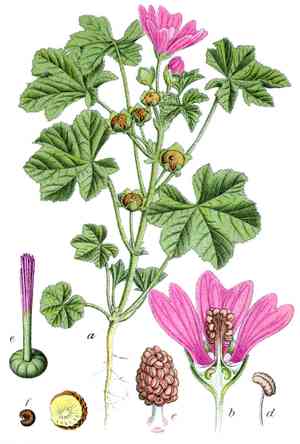
Pelotazo, recognized for its appealing leaves and blossoms, flourishes with consistent trimming. The primary method entails excising lifeless or ailing limbs to foster robust development and preserve its form. The ideal period is early spring, enabling the plant to recuperate and thrive throughout the cultivation period. Trimming in early spring additionally reduces the potential for frost harm. Guarantee precise cuts to avert illness. Routine pruning improves air circulation and light exposure, elevating the plant's general well-being.
What Are the Benefits of Pruning Pelotazo?
What Are the Benefits of Pruning Pelotazo?
Pelotazo thrives with trimming, promoting robust growth and maintaining its form. Regular trimming encourages healthy development, boosts flowering, manages plant size, and enhances overall appearance. Furthermore, it aids in resisting pests and diseases.
What Is the Best Time for Pruning Pelotazo?
What Is the Best Time for Pruning Pelotazo?
Trimming pelotazo in early spring is considered ideal as it aligns with the plant's growth cycle. During this period, pelotazo is preparing for vigorous development, allowing it to recover quickly from cuts. Additionally, pruning before new growth starts ensures the plant can direct its energy into producing healthy stems and leaves. Early spring trimming also helps shape the plant and remove any damaged or dead wood accumulated over winter, fostering better air circulation and overall plant health. Pruning at this time can also enhance flowering, encouraging the development of fresh, strong blooms in the upcoming season.
What Tools Do I Need to Prune Pelotazo?
Bypass Pruners
Bypass pruners are perfect for precise cuts on live stems and branches, crucial for maintaining pelotazo's natural growth. They deliver clean cuts that aid in rapid healing.
Loppers
Loppers are suitable for cutting thicker branches too large for hand pruners. They are essential for managing pelotazo's size and shape, ensuring healthy growth.
Pruning Saw
A pruning saw is necessary for cutting larger, tough branches that loppers cannot handle. It ensures clean cuts and minimizes damage to pelotazo.
Hand Shears
Hand shears are useful for detailed trimming and maintaining pelotazo's shape. They are excellent for snipping small, soft stems and foliage.
Pole Pruners
Pole pruners are helpful for reaching higher branches without needing a ladder. They ensure safety and ease when trimming taller growths of pelotazo.
How to Prune Pelotazo
Assessment
Identify parts of pelotazo showing signs of illness, wilting, or dead wood. This includes diseased leaves, withered leaves, dead branches, and diseased branches.
Precision Cutting
Use sanitized pruning shears to cut away diseased and dead leaves at their base where they meet healthy growth. Ensure clean cuts to prevent damage.
Branch Removal
Remove dead and diseased branches by cutting back to the nearest healthy lateral branch or the main stem. Avoid leaving stubs as they can attract pests.
Disposal
Immediately discard all removed plant material to prevent disease spread. Do not compost these materials.
Observation
Regularly inspect pelotazo for signs of new disease or damage and prune as needed to maintain health and shape.
Common Pruning Mistakes with Pelotazo
Incorrect Technique
Using dull or unsuitable tools can harm pelotazo. Pruning with dirty tools can introduce diseases.
Excessive Pruning
Removing too much foliage at once can stress pelotazo and hinder its growth. It's important not to prune more than 25-30% of the plant at a time.
Improper Cuts
Making rough or jagged cuts instead of clean, angled ones can injure the plant. Incorrect cuts can also leave stubs vulnerable to pests and diseases.
Common Pruning Tips for Pelotazo
Use Clean, Sharp Tools
Ensure all pruning tools are sterilized and sharp to make clean cuts. This helps prevent diseases and promotes quick healing.
Prune Selectively
Focus on removing dead, diseased, or damaged branches. Also, thin out crowded areas to improve air circulation and light penetration.
Make Clean Cuts
Always cut at a 45-degree angle just above a node or bud. This technique helps water run off the cuts, reducing the risk of rot and disease.
Observe Plant Structure
Understand the natural shape of pelotazo and aim to maintain or enhance that structure while pruning. Avoid altering its form too drastically.



