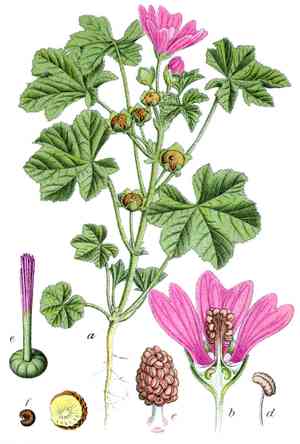
Pelotazo (Abutilon incanum)
Also known as: Maʻo
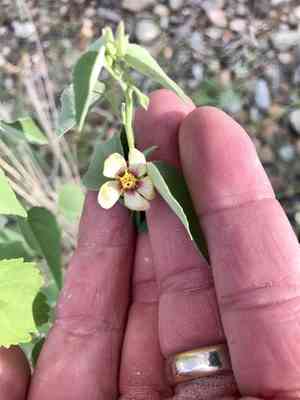
The Pelotazo shrub thrives in arid climates and is known for its soft, heart-shaped foliage that has a silvery tint. It features yellow to orange, lantern-shaped flowers that provide a striking contrast against its muted green leaves, making it a magnet for pollinators in its natural dry settings.
In This Article
Attributes of Pelotazo
Lifespan
Perennial
Plant Type
Shrub
Plant Height
91 cm to 1.8 m
Spread
Approximately 60-90 cm (2-3 feet)
Leaf Color
Grayish-green
Flower Size
2-3 cm
Flower Color
Yellow to orange
Images of Pelotazo
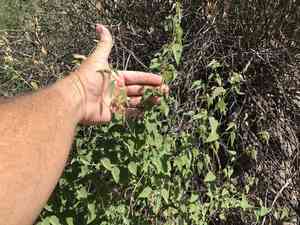
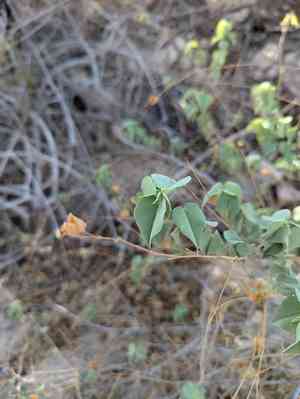
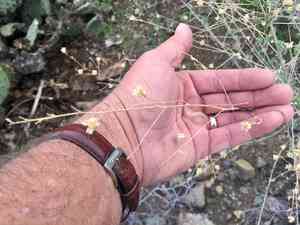
Quickly Identify Pelotazo
1
Identifiable by its grayish-green, hairy leaves which are heart-shaped or sometimes lobed. The flowers are typically yellow to orange and have a distinct funnel shape.
Scientific Classification of Pelotazo
Phylum
Vascular plants
Class
Dicotyledons
Order
Malvales
Family
Mallow
Genus
Indian mallows
Species
Pelotazo
Planting and Growing of Pelotazo
Care Difficulty
Moderate
Watering Schedule
Every 2 days
Sunlight Requirements
Full sun
Sunshine Duration
6-8 hours
Ideal Temperature
68-77℉
Soil Type
Potting Mix, Peat Mix
Soil pH
6.5-7.5
Fertilizer Type
Balanced
Pruning Season
Spring, Summer
Pruning Area
Branches, Leaves
Pruning Frequency
Once a year
Repotting Season
Spring
Pot Type
Plastic, Ceramic
 How to Water Pelotazo?
For Abutilon incanum, watering should be thorough yet infrequent, ensuring the soil is evenly moist without being waterlogged. Approximately 500 milliliters per session will provide sufficient moisture to penetrate the root zone effectively. This practice mimics the natural hydration patterns this plant would experience in its native environment, promoting healthy growth.
What are the symptoms of an underwatered Pelotazo?
›
What should I do if my Pelotazo is not getting enough water?
›
What are the symptoms of an overwatered Pelotazo?
›
How to save an overwatered Pelotazo?
›
 What Are the Sunlight Requirements for Pelotazo?
The ideal light is a mix of full and partial sunlight, providing 6 to 8 hours of exposure. This balance maximizes flower production, leaf development, and overall plant vitality.
What is the optimal light condition for Abutilon incanum?
›
How can I ensure Abutilon incanum receives the ideal light?
›
What benefits does correct lighting bring to Abutilon incanum?
›
 What Is the Ideal Temperature Range for Pelotazo?
For the robust growth of Abutilon incanum, maintaining temperatures between 68°F to 77°F is ideal. This range allows for optimal photosynthesis and metabolism, promoting healthy foliage and vibrant blooming.
 What Soil is Best for Pelotazo?
Abutilon incanum thrives in well-drained soil as it prevents waterlogging, which can lead to root rot. Well-drained environments ensure the roots have access to ample oxygen, promoting healthy growth and vibrant foliage. This plant prefers soil with moderate fertility. Overly rich soils can promote excessive leaf growth at the expense of flowering. Balanced nutrient levels encourage both healthy foliage and abundant blooms. The soil should have a light and aerated structure to support root expansion. This condition allows for optimal nutrient absorption and provides a stable base from which the plant can grow vigorously.
 How to Fertilize Pelotazo?
For Abutilon incanum, a moderate amount of fertilizer is ideal. Use approximately 1 tablespoon of balanced liquid fertilizer diluted in 1 gallon of water. For slow-release pellets, 1 to 2 teaspoons per plant is optimal. Ensure the soil is slightly moist before applying to avoid root burn.
 How to Prune Pelotazo?
Locate the growth nodes along the stem, which are spots from where the leaves and flowers sprout. Start by cutting just above these nodes to encourage new, healthy growth. Make your cuts at a 45-degree angle to avoid water collection on the cut surface. Proper angled cuts help in preventing rot by allowing water to run off. Trim the plant back by about one-third, focusing on maintaining a balanced form that is both aesthetically pleasing and functional. This prevents the plant from becoming top-heavy.
More About Pruning Techniques→
 How to Propagate Pelotazo plant?
1
Collect mature seeds from the plant and soak them in water for 24 hours to enhance germination. After soaking, plant seeds in seed trays with a well-draining potting mix, ensuring they are slightly covered with soil.
2
Select a healthy stem from the Abutilon incanum, ideally 4-6 inches long, and cut just above a node. Remove any leaves from the bottom half of the cutting to reduce moisture loss and improve rooting success.
3
Insert cuttings into a pot with a moist, well-draining soil mix and place in a warm spot with indirect sunlight. Water lightly and consistently to keep the soil moist but not soggy, checking regularly for root growth over several weeks.
 How to Repot Pelotazo plant?
1
The optimal time to repot Abutilon incanum is when you notice roots appearing at the drainage holes or the soil drying out faster than usual. These are clear indications that the plant is outgrowing its current container. Repotting during early spring or autumn ensures that the plant has sufficient time to acclimate before the intense summer heat or the cold of winter sets in.
2
When selecting a new pot for your Abutilon incanum, ensure it is only 1 to 2 inches larger in diameter than the current one. This prevents excessive water retention, reducing the risk of root rot. A pot with adequate drainage holes allows excess water to escape, ensuring the soil remains optimally moist without becoming waterlogged.
3
Opt for a well-draining potting mix that is slightly on the sandy side. This ensures that water does not stagnate, keeping roots healthy and preventing root rot. The soil should be rich in essential nutrients to support the plant's growth, offering both stability and nourishment as the plant establishes itself in its new pot.
Learn More About Pelotazo Diseases
Anthracnose
Bacterial Leaf Spot
Bacterial Wilt
Crown Gall
Cyst Nematode
Damping-off
Downy Mildew
Drought Stress
Fusarium Wilt
Gray Mold
Leaf Curl
Leaf Spot
Mosaic
Nutrient Deficiency
Nutrient Toxicity
Powdery Mildew
Root Rot
Root-knot Nematode
Rusts
Sooty Mold
Spider Mites
Temperature Stress
Thrips Damage
White Mold



