How to Prune Shasta red fir?
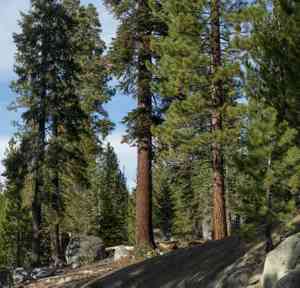
Recognized for its impressive silvery-blue foliage and balanced conical structure, shasta red fir benefits from pruning in late winter to early spring, prior to the emergence of new shoots. Concentrate on excising deceased, injured, or ailing limbs, and reduce density in congested zones to improve air circulation and light exposure. Refrain from extensive trimming, as this could compromise the plant's inherent silhouette. Regular pruning aids in preserving a robust framework and diminishes the likelihood of insect problems.
Advantages of Trimming Shasta Red Fir
Advantages of Trimming Shasta Red Fir
Shasta red fir trimming encourages robust development by eliminating dead or diseased limbs, ensures the plant keeps an ideal form, and aids in preventing pest infestations. Regular trimming supports the plant's strong health and visual appeal.
Optimal Period for Pruning Shasta Red Fir?
Optimal Period for Pruning Shasta Red Fir?
Trimming shasta red fir in late winter or early spring is advisable as it coincides with the plant's dormant phase. Pruning during dormancy minimizes stress and lowers the risk of pests or diseases entering through fresh cuts. Furthermore, pruning before the active growth cycle allows the plant to recover quickly and direct energy into new growth when spring arrives. This timing avoids disrupting dormancy and ensures the plant is in its healthiest state for the upcoming growth season.
Required Tools for Pruning Shasta Red Fir?
Bypass loppers
Perfect for cutting through thicker shasta red fir branches without crushing the wood, which encourages healthy regrowth.
Pruning saw
Essential for removing larger branches. Choose a folding pruning saw for ease of use and storage.
Hand pruners
Useful for trimming smaller branches and shoots. Select bypass pruners for clean cuts.
Pole pruner
Helps reach higher branches without needing a ladder, ensuring safety and precision.
Pruning shears
For detailed and precise trimming tasks. Handy for shaping and maintaining the tree's form.
How to Prune Shasta Red Fir
Assess
Examine shasta red fir for dead or diseased branches that require removal. Identify branches lacking green foliage or showing signs of illness, such as discoloration, fungi, or decay.
Tool prep
Select suitable tools, such as pruning shears for smaller branches and a saw for larger ones. Ensure tools are clean and sharp to facilitate clean cuts and prevent disease spread.
Cut technique
For dead branches, prune back to the branch collar (the swollen area where the branch meets the trunk). Make the cut at a 45-degree angle to promote proper healing. For diseased branches, cut at least 6 inches below visible symptoms to ensure all affected tissue is removed.
Dispose
Properly discard all pruned material, especially diseased branches, to prevent pathogen spread. This may involve bagging and discarding or burning if permitted.
Inspect
Regularly inspect shasta red fir post-pruning to monitor for any signs of new disease or dead tissue, repeating the pruning process as necessary.
Common Pruning Errors with Shasta Red Fir
Over-Pruning
A frequent error is removing too much foliage at once. This can stress shasta red fir, reducing its ability to photosynthesize effectively and leading to poor health.
Improper Cuts
Making cuts too close to the trunk or branch collar can harm essential tissues, causing decay and potential infection.
Ignoring Deadwood
Failing to remove dead, diseased, or damaged branches can allow pathogens to spread, compromising the overall health of shasta red fir.
Incorrect Tools
Using dull or unsuitable tools can crush or tear branches instead of making clean cuts. This can hinder proper healing and promote disease.
Pruning Young Trees
Extensively pruning young shasta red fir can stunt its growth and prevent it from developing a strong structure.
General Pruning Advice for Shasta Red Fir
Sanitize Tools
Always sanitize pruning tools before use to prevent disease spread. A simple bleach and water solution can be effective.
Selective Pruning
Focus on removing dead, diseased, and damaged branches first. This helps maintain tree health and reduces pest infestations.
Proper Cutting Technique
Ensure cuts are made at a slight angle just above a bud or branch to promote proper healing. Avoid cutting too close to the trunk or leaving stubs.
Limit Pruning
Remove no more than one-third of the tree's foliage in a single session to avoid stressing shasta red fir.
Monitor Tree Health
Continuously monitor the tree's health post-pruning to identify any signs of stress or disease early on.
Use Correct Tools
Utilize clean, sharp, and appropriate tools for the job. Different branches may require different tools, ranging from hand pruners to larger lopping shears.



