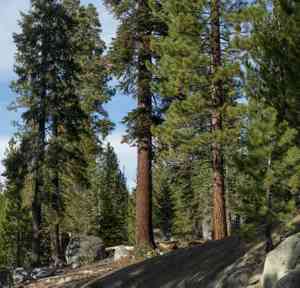
Shasta red fir (Abies magnifica)
Also known as: California red fir, Shasta fir
The Shasta red fir, native to the western U.S., is a majestic tree often reaching up to 70 meters in height. Its narrow, pyramid-like shape and unique blue-green needles make it visually appealing. When the needles are crushed, they release a pleasant aroma, enhancing the festive ambiance. The tree's strong branches and symmetrical form make it ideal for holding holiday ornaments, making it a favorite for seasonal decorations.
In This Article
Attributes of Shasta red fir
Lifespan
Perennial
Plant Type
Tree
Plant Height
22 m to 30 m
Spread
20 m
Leaf Color
Silver-blue
Flower Size
N/A (Gymnosperm)
Flower Color
N/A (Gymnosperm)
Images of Shasta red fir
Quickly Identify Shasta red fir
1
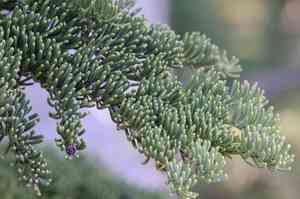
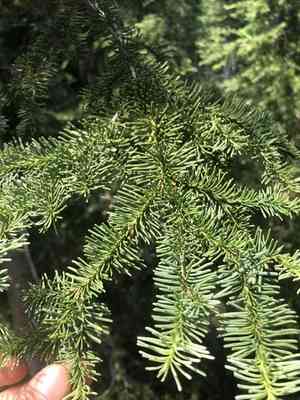
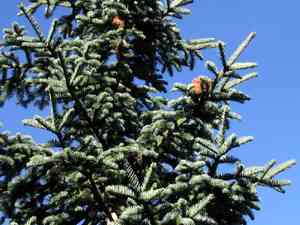
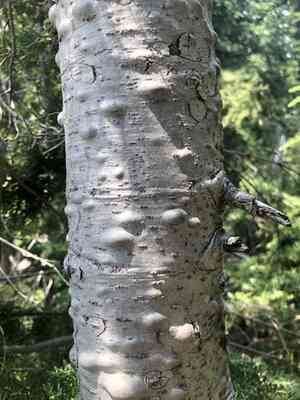
Look for a tall conifer with silver-blue needles arranged radially around the branches. Bark is reddish-brown and becomes deeply furrowed with age. Cones are upright and disintegrate to release seeds.
Scientific Classification of Shasta red fir
Phylum
Vascular plants
Class
Conifers
Order
Pines and allies
Family
Pine
Genus
Firs
Species
Shasta red fir
Planting and Growing of Shasta red fir
Care Difficulty
Moderate
Watering Schedule
Every 2 days
Sunlight Requirements
Full sun
Sunshine Duration
6-10 hours
Ideal Temperature
50-65℉
Soil Type
Potting Mix, Peat Mix
Soil pH
5.5-7
Fertilizer Type
Balanced
Pruning Season
Spring, Summer
Pruning Area
Branches, Leaves
Pruning Frequency
2 times a year
Repotting Season
Spring
Pot Type
Plastic, Ceramic
 How to Water Shasta red fir?
The water amount for Abies magnifica should be around 1200 ml per session, ensuring the soil is thoroughly soaked but not waterlogged. This quantity is designed to reach the deeper roots, promoting strong and healthy growth without the risk of developing root rot.
What are the symptoms of an underwatered Shasta red fir?
›
What should I do if my Shasta red fir is not getting enough water?
›
What are the symptoms of an overwatered Shasta red fir?
›
How to save an overwatered Shasta red fir?
›
 What Are the Sunlight Requirements for Shasta red fir?
Abies magnifica benefits from being placed in a position with partial to full sun exposure, where it receives 6 to 8 hours of light, ensuring robust growth and vibrant color.
Question 1: What is Abies magnifica's preferred lighting environment?
›
Question 2: How can ideal lighting be achieved for Abies magnifica?
›
Question 3: What benefits does ideal sunlight offer Abies magnifica?
›
 What Is the Ideal Temperature Range for Shasta red fir?
Abies magnifica ideally grows in a temperature range of 50°F to 65°F. This range ensures optimal metabolic activities, photosynthesis, and minimal stress. Maintaining these conditions helps the tree develop strong structural integrity and vibrant foliage.
 What Soil is Best for Shasta red fir?
Abies magnifica thrives in well-drained soils. Good drainage prevents root rot by allowing water to pass through the soil swiftly, thus avoiding waterlogging. Healthy, aerated roots are crucial for optimal uptake of nutrients and water. A nutrient-rich soil promotes robust growth for Abies magnifica. The essential elements like nitrogen, phosphorus, and potassium support vigorous development, improving overall foliage health and enhancing the tree's natural resilience. This species favors consistently moist conditions without being soggy. Maintaining a balanced moisture level supports cellular processes and hydration without breeding harmful pathogens associated with overwatering.
 How to Fertilize Shasta red fir?
For Abies magnifica, fertilization amounts should be modest due to its slow growth rate. Young trees benefit from small doses of balanced fertilizer, ideally a 10-10-10 NPK ratio, every spring. Limit to a half-pound per inch of trunk diameter for mature trees to avoid overfeeding and ensure stable growth.
 How to Prune Shasta red fir?
Use sharp pruning shears or saws to avoid damaging the branches. Prune in late winter or early spring, when the tree is still dormant, to reduce sap loss and avoid stressing the tree. Focus on maintaining the tree's natural conical shape. Remove dead or damaged branches first. Lightly trim the tree to encourage dense growth and maintain aesthetic appeal.
More About Pruning Techniques→
 How to Propagate Shasta red fir plant?
1
Harvest seeds from mature cones. Allow cones to dry and open naturally to release seeds. Ensure seeds are properly cleaned and stored dry until sowing.
2
Use a mix of peat and sand to ensure good drainage and appropriate aeration. Fill seed trays with this mixture to create a conducive environment for seed germination.
3
Select a healthy rootstock and scion. Make precise cuts with the grafting knife to ensure a clean and snug join. Secure the graft with grafting tape to promote a healthy union.
 How to Repot Shasta red fir plant?
1
Determine when to repot Abies magnifica by checking for signals like roots growing out of drainage holes or a slowdown in growth. Typically, repotting every 3-4 years or when the plant seems stunted helps in refreshing nutrient supply and encouraging sturdy root development.
2
Select a pot that is one size larger than the current one, with ample drainage holes. This choice prevents waterlogging, provides space for growth, and minimizes the risk of root rot. The pot's material should promote breathability, aiding the overall health of the plant.
3
Opt for a well-draining acidic soil mix to mimic the tree's natural habitat. Such soils ensure proper aeration, moisture retention, and nutrient availability, crucial for the wellbeing and vibrant growth of Abies magnifica.



