How to Prune Pacific silver fir?
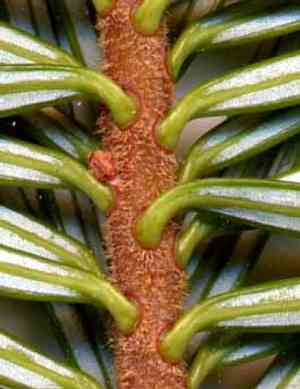
This impressive evergreen is recognized for its imposing stature and thick canopy. For pacific silver fir, the best time for trimming is in late winter or early spring, prior to the start of its growth period. Trimming involves eliminating deceased or fractured limbs, sculpting for visual appeal or structural integrity, and thinning to improve light exposure and air movement. Judicious trimming preserves pacific silver fir's inherent shape and fosters robust development. Refrain from extensive cutting since pacific silver fir might not regrow leaves from mature wood. Focusing on particular branches reduces the chance of illness and sustains the tree's vitality.
What Are the Benefits of Pruning Pacific Silver Fir?
What Are the Benefits of Pruning Pacific Silver Fir?
Trimming pacific silver fir promotes robust development by eliminating dead or crowded limbs, enhancing air circulation and light penetration. Regular trimming maintains pacific silver fir's balance, fostering an attractive, compact shape.
What Is the Best Time for Pruning Pacific Silver Fir?
What Is the Best Time for Pruning Pacific Silver Fir?
Pruning pacific silver fir during late winter or early spring is considered optimal due to several factors. Firstly, in late winter, the plant is typically dormant, which minimizes stress and allows for better healing of cuts before new growth begins. It also prevents the depletion of the plant's energy reserves needed for spring growth. Pruning in early spring is also advantageous because it enables gardeners to remove any damage from winter storms and to shape the tree before its active growing season. This period also precedes sap flow, which helps prevent excessive sap loss that can occur if pruning is done later. Furthermore, pruning before the growing season can help avoid the spread of diseases, as many pathogens are less active during the cooler temperatures of late winter and early spring. Since pacific silver fir does not produce significant fruit or flowers, the trimming schedule can focus on the plant's overall health and growth cycle without affecting reproductive processes.
What Tools Do I Need to Prune Pacific Silver Fir?
Bypass Pruners
Perfect for cutting small branches on young pacific silver fir trees as they create clean cuts without harming the branch collar.
Loppers
Suitable for trimming medium-sized branches of pacific silver fir with greater leverage than standard pruners, ensuring precise cuts without user strain.
Pole Pruners
Recommended for reaching higher branches on pacific silver fir without needing a ladder, enhancing safety during the pruning process.
Pruning Saw
Essential for cutting through larger branches on mature pacific silver fir specimens, as this tool can handle the thickness and toughness of the branches.
How to Prune Pacific Silver Fir
Identify
Examine pacific silver fir thoroughly to locate dead or diseased branches. These are identified by discoloration, dry bark, lack of leaves, or visible signs of fungal growth.
Sanitize
Before beginning to prune, disinfect pruning tools using alcohol or a bleach solution to prevent the spread of disease or infection to healthy parts of pacific silver fir.
Cut Dead Branches
Using sharp, clean pruning shears, cut dead branches where they meet healthy wood, ensuring the cut is clean and angled away from the bud to facilitate water runoff and prevent disease.
Remove Diseased Branches
Carefully remove any diseased branches by cutting them well below the infected areas to prevent disease spread. If large branches are affected, use a saw and ensure the cut is made on the branch's collar, which promotes better healing.
Cleanup
Dispose of all removed branches and debris away from pacific silver fir to reduce the risk of disease transmission. Clean the tools again after completing the pruning process.
Common Pruning Mistakes with Pacific Silver Fir
Over-Pruning
Removing too much foliage at once can stress pacific silver fir, leading to stunted growth or increased vulnerability to disease.
Improper Cut Locations
Incorrect cutting can create wounds that are difficult for pacific silver fir to heal, leading to potential entry points for pests and diseases.
Using Dull Tools
Utilizing dull pruning tools can cause jagged cuts that harm pacific silver fir, rather than clean cuts that heal more quickly.
Tearing Limb
Ripping or tearing branches instead of cutting can result in larger, more damaging wounds to pacific silver fir's trunk or branches.
Flush Cutting
Cutting too close to the trunk (flush cutting) can remove the branch collar, hindering pacific silver fir's natural healing process.
Common Pruning Tips for Pacific Silver Fir
Clean Cuts
Ensure that all cuts made on pacific silver fir are clean and smooth to promote rapid and effective healing.
Correct Angle
Cut branches of pacific silver fir at a diagonal angle, away from the bud, to prevent water accumulation and potential rot.
Three-Cut Method
Use the three-cut method for removing larger branches to prevent bark tearing: an undercut followed by a cut further out and a final cut at the branch collar.
Sterilize Tools
Sterilize pruning tools before and after use to prevent the spread of diseases to or from pacific silver fir.
Gradual Pruning
Prune pacific silver fir incrementally, especially if significant shape correction is needed, to avoid shock to the plant.



