How to Propagate Savannah yellow-eyed grass?
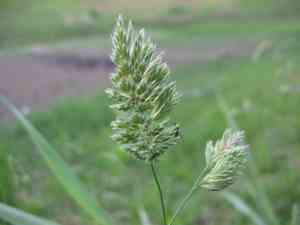
Xyris chapmanii, typically located in damp savannahs and marshy regions, predominantly reproduces via cuttings. For successful propagation, select a robust stem that incorporates a node, as this is the point from which new development begins. Insert the cutting into a well-draining, moisture-holding substrate, ensuring continuous atmospheric moisture without saturating the soil. This setup offers the optimal conditions for root formation and fresh growth, leading to vigorous, thriving new specimens.
Optimal Period for Savannah Yellow-eyed Grass Propagation
Propagation Method
Cutting
Propagation Period
Spring,Summer
Tools Utilized for Savannah Yellow-eyed Grass Propagation
Sharp pruning shears
These are vital for making clean cuts on savannah yellow-eyed grass stems. A precise cut helps prevent disease and promotes faster healing and rooting. For savannah yellow-eyed grass, where accuracy is crucial to avoid harming small stems, quality shears make a big difference.
Rooting hormone powder or gel
This encourages root growth on savannah yellow-eyed grass cuttings. Applying rooting hormone to the cut end not only boosts rooting success but also aids in quicker establishment, which is key for savannah yellow-eyed grass during its sensitive transition.
Sterile potting mix
Using a sterile potting mix ensures savannah yellow-eyed grass cuttings are planted in a pathogen-free environment, reducing the risk of soil-borne diseases affecting new roots. A propagation-specific mix should drain well yet retain enough moisture for root development.
Small pots or propagation trays
These are used to house each cutting individually, allowing for customized care and monitoring of each savannah yellow-eyed grass cutting. They should offer good drainage and be sized to support initial root development without immediate repotting.
Plastic covers or mini greenhouses
They maintain high humidity around savannah yellow-eyed grass cuttings, which is essential to prevent drying out before roots establish. The controlled environment also helps maintain consistent temperature, improving rooting success.
How to Propagate Savannah Yellow-eyed Grass
Propagation Type
Easy
Caring for Your Newly Propagated Savannah Yellow-eyed Grass
Caring for Your Newly Propagated Savannah Yellow-eyed Grass
Once roots are established, gradually acclimate savannah yellow-eyed grass to lower humidity by removing the plastic cover. Transplant rooted cuttings into individual pots when they are strong enough. Keep them in bright, indirect light and water regularly to maintain moderately moist soil. As a native to damp areas, ensure savannah yellow-eyed grass receives sufficient water, especially during dry periods, and fertilize lightly during the growing season.
Common Errors to Avoid When Propagating Savannah Yellow-eyed Grass
Overwatering
Excessive watering can cause root rot in savannah yellow-eyed grass, which thrives in well-drained conditions. Too much moisture around the roots reduces oxygen, harming the plant's overall health and growth.
Deep planting
Planting savannah yellow-eyed grass seeds or seedlings too deeply can hinder their ability to germinate or get enough air, leading to decreased propagation success. Seedlings are especially vulnerable to being smothered by too much soil.
Overcrowding
Overcrowding savannah yellow-eyed grass seeds or young plants can lead to competition for light and nutrients, significantly impacting the growth and development of each individual plant, thus reducing overall propagation success.
Tips for Propagating Savannah Yellow-eyed Grass
Moisture control
Maintain regulated moisture levels when propagating savannah yellow-eyed grass by using well-draining soil and containers with adequate drainage holes to prevent waterlogging.
Shallow planting
Sowing savannah yellow-eyed grass seeds at shallow depths ensures they have ample access to sunlight and air, which is vital for optimal germination and early growth stages.
Adequate spacing
Ensure sufficient space between savannah yellow-eyed grass seeds or young plants to allow for proper growth, avoiding competition for resources. Correct spacing promotes healthier plants and increases propagation success.



