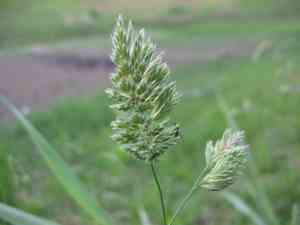
Savannah yellow-eyed grass (Xyris flabelliformis)
Also known as: Fan-shaped Yelloweyed Grass
Xyris flabelliformis is a perennial herb that can grow up to 30 cm in height. It features slender, thread-like leaves reaching up to 10 cm in length. The plant is notable for its yellow blossoms, which add a splash of color to its grassy appearance.
In This Article
Attributes of Savannah yellow-eyed grass
Lifespan
Perennial
Plant Type
Herb
Plant Height
20 to 60 cm
Spread
N/A
Leaf Color
Green
Flower Size
Approximately 1 cm
Flower Color
Yellow
Images of Savannah yellow-eyed grass
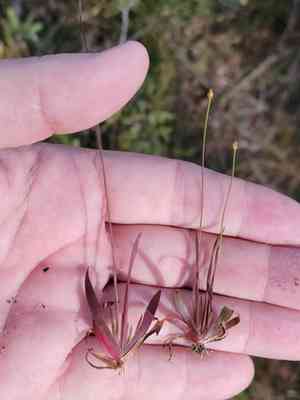
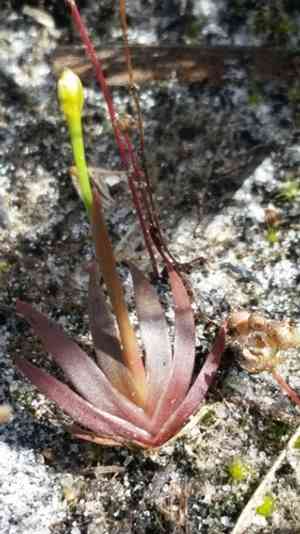
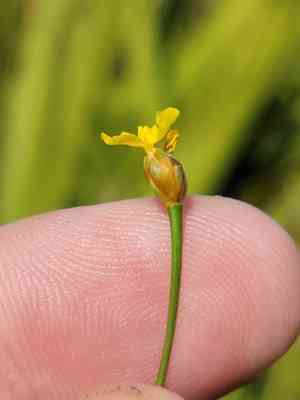
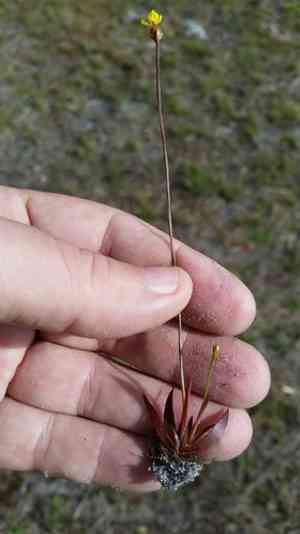
Quickly Identify Savannah yellow-eyed grass
1
Xyris flabelliformis can be identified by its grass-like leaves which are typically arranged in a fan shape. The plant produces bright yellow flowers that are borne on spikes, and these flowers have a distinct three-petaled structure.
Scientific Classification of Savannah yellow-eyed grass
Phylum
Vascular plants
Class
Monocotyledons
Order
Poales
Family
Yellow-eyed grasses
Genus
Yelloweyed grasses
Species
Savannah yellow-eyed grass
Planting and Growing of Savannah yellow-eyed grass
Care Difficulty
Easy
Watering Schedule
Every 4 days
Sunlight Requirements
Partial sun
Sunshine Duration
4-6 hours
Ideal Temperature
68-75℉
Soil Type
Potting Mix, Peat Mix
Soil pH
5.5-7.5
Fertilizer Type
Balanced
Pruning Season
Spring, Summer
Pruning Area
Branches, Leaves
Pruning Frequency
2 times a year
Repotting Season
Spring
Pot Type
Plastic, Ceramic
 How to Water Savannah yellow-eyed grass?
For Xyris flabelliformis, you should aim to keep the soil consistently moist but not waterlogged. A watering amount of 300 milliliters is usually sufficient for each session, making sure the water penetrates the top 2 to 3 inches of soil without causing excess runoff.
What are the symptoms of an underwatered Savannah yellow-eyed grass?
›
What should I do if my Savannah yellow-eyed grass is not getting enough water?
›
What are the symptoms of an overwatered Savannah yellow-eyed grass?
›
How to save an overwatered Savannah yellow-eyed grass?
›
 What Are the Sunlight Requirements for Savannah yellow-eyed grass?
Partial sun to partial shade is ideal. This range balances sunlight delivery, fostering steady growth and preventing light-induced stress, promoting vibrant foliage and healthy blooms.
What is the best light for growth?
›
How can I ensure ideal lighting?
›
What benefits does ideal light offer?
›
 What Is the Ideal Temperature Range for Savannah yellow-eyed grass?
The ideal temperature range for Xyris flabelliformis is between 68 and 75 degrees Fahrenheit. This range supports optimal metabolic and photosynthetic activities, ensuring the plant exhibits healthy growth and flower production. Keeping the plant within this temperature range can prevent stress and promote vigorous development.
 What Soil is Best for Savannah yellow-eyed grass?
Xyris flabelliformis thrives in soils with excellent drainage. This prevents root rot and allows the plant to absorb nutrients efficiently. Sandy soil enhances drainage while loam provides some water retention, striking a perfect balance. This plant naturally adapts to nutrient-poor environments. In nutrient-rich soils, it might face competition from more aggressive plants. By maintaining poor soil conditions, Xyris flabelliformis can grow without its growth being overshadowed. While Xyris flabelliformis prefers well-drained soil, a moderate amount of moisture retention supports steady growth. The presence of sand in soil can help achieve this balance, ensuring the plant receives adequate water without being waterlogged.
 How to Fertilize Savannah yellow-eyed grass?
For Xyris flabelliformis, use a balanced fertilizer such as 10-10-10. For liquid fertilizers, dilute it to half strength before application. Solid, slow-release fertilizers should be used sparingly, applying no more than 1-2 tbsp per plant.
 How to Prune Savannah yellow-eyed grass?
Begin by carefully inspecting the leaves for any signs of discoloration or decay. Trim away any dead or damaged foliage to prevent the spread of potentially harmful pathogens, ensuring a healthier plant. If certain areas of your Xyris flabelliformis appear dense or overgrown, selectively trim some of the foliage to improve air circulation and light penetration, which will promote healthy new growth.
More About Pruning Techniques→
 How to Propagate Savannah yellow-eyed grass plant?
1
Begin by collecting mature seeds from the Xyris flabelliformis plant. Clean them thoroughly and let them dry before using. Use a seed tray filled with well-draining soil to ensure successful germination.
2
To propagate by division, remove the plant from its pot or ground. Carefully separate the root clusters, ensuring that each section has healthy roots and shoots. Replant each section immediately into fresh soil.
3
After planting seeds or divided sections, water them lightly. Keep the soil consistently moist but not soggy. Monitor the conditions regularly to ensure adequate sunlight and temperature for growth.
 How to Repot Savannah yellow-eyed grass plant?
1
Repotting Xyris flabelliformis is best done when you observe signs such as roots growing out of the drainage holes, soil compacting or losing its nutrients, or a significant slow down in growth. These signals indicate that the plant is outgrowing its current container and is eager for more room and fresh soil.
2
Select a pot that is 1-2 inches larger in diameter than your current one. This allows sufficient room for growth without overwhelming the plant. Opt for pots with drainage holes to prevent waterlogging, which can lead to root rot. A well-chosen pot ensures proper air circulation and healthy root development.
3
The ideal soil for Xyris flabelliformis is moist yet well-draining, typically a mix designed for bog or aquatic plants. This balance is crucial as it retains necessary moisture while avoiding stagnant water that could suffocate the roots. Using the right soil supports vibrant growth and robust health.
Learn More About Savannah yellow-eyed grass Diseases
Anthracnose
Bacterial Leaf Spot
Bacterial Soft Rot
Bacterial Wilt
Chemical Injury
Damping-off
Downy Mildew
Drought Stress
Fusarium Wilt
Gray Mold
Leaf Curl
Leaf Spot
Mosaic
Nutrient Deficiency
Nutrient Toxicity
Powdery Mildew
Root Rot
Root-knot Nematode
Rusts
Sooty Mold
Spider Mites
Temperature Stress
Thrips Damage
White Mold



