How to Propagate Arizona bluecurls?
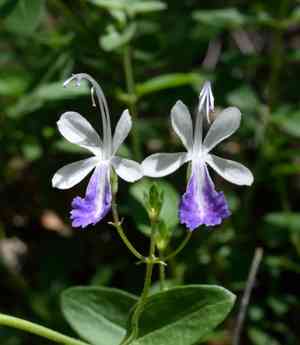
Arizona bluecurls, a species within the Lamiaceae family, flourishes when propagated via cuttings. This method enables gardening aficionados to effectively enlarge their collection with duplicates that retain the genetic characteristics of the original specimen. To achieve successful propagation, select robust, non-blooming stems and embed them in a porous growing medium under diffused light. Maintaining steady hydration while preventing excessive watering will encourage root formation, leading to the establishment of vigorous new plants.
Optimal Time for Arizona Bluecurls Propagation
Propagation Method
Cutting
Propagation Period
Autumn,Winter
Tools for Arizona Bluecurls Propagation
Sharp pruning shears
Crucial for obtaining clean, precise cuttings from arizona bluecurls. Sharp blades prevent stem tissue damage, which is vital for proper healing and effective rooting. Using disinfected shears reduces the risk of introducing pathogens to the cuttings.
Rooting hormone powder
Encourages root development when applied to the base of arizona bluecurls stem cuttings. This hormone stimulates rooting, boosting the likelihood of successful plant establishment. Rooting hormones are especially beneficial for improving success rates in semi-hardwood or hardwood cuttings.
Sterilized potting mix
Offers a clean, disease-free environment for rooting arizona bluecurls. This medium should be light and porous to allow for proper air circulation and moisture retention, both essential for healthy root growth. A sterilized mix also lowers the risk of soil-borne diseases affecting young cuttings.
Propagation trays
Used to organize and manage multiple arizona bluecurls cuttings in a controlled setting. These trays help maintain consistent moisture levels and temperature, critical factors in the rooting process. They are often used with a humidity dome to retain moisture and create a mini-greenhouse effect.
Humidity dome
Fits over propagation trays to maintain high humidity around arizona bluecurls cuttings, preventing them from drying out before roots establish. The dome also aids in temperature regulation, creating a stable environment conducive to root development.
How to Propagate Arizona Bluecurls?
Propagation Type
Moderately Difficult
Caring for Your Newly Propagated Arizona Bluecurls
Caring for Your Newly Propagated Arizona Bluecurls?
Post-propagation, regularly check arizona bluecurls for root development, typically visible within weeks. Gradually introduce the young plant to drier conditions by removing the plastic cover for longer durations daily. Once roots are established, transfer arizona bluecurls to a larger container or directly into the garden in well-draining soil. Maintain moderate watering and provide full to partial sunlight. During the growing season, light fertilization can enhance growth. Protect arizona bluecurls from extreme temperatures and ensure good air circulation to prevent diseases.
Common Mistakes to Avoid When Propagating Arizona Bluecurls
Excessive watering
Overwatering can cause root rot and fungal issues in arizona bluecurls, which prefer well-drained, drier soils. Too much moisture can be harmful, especially during the rooting phase.
High soil density
Using a heavy or overly compact soil mix can hinder root growth and drainage, leading to poor aeration and water accumulation around arizona bluecurls's roots.
Overcrowding
Placing too many arizona bluecurls seeds or cuttings too close together can restrict their access to adequate light and air circulation, increasing disease risk and impeding robust growth.
Tips For Propagating Arizona Bluecurls
Well-draining soil mix
Utilize a light, well-draining soil mix rich in organic matter to support healthy root development and prevent waterlogging, crucial for arizona bluecurls's growth.
Moderate watering
Maintain balanced watering; keep the soil moist but not saturated. This is vital to prevent root diseases while providing sufficient moisture for arizona bluecurls to flourish.
Adequate spacing
Ensure proper spacing between seeds or cuttings to promote good air circulation and ample light access, both essential for the healthy growth of arizona bluecurls.



