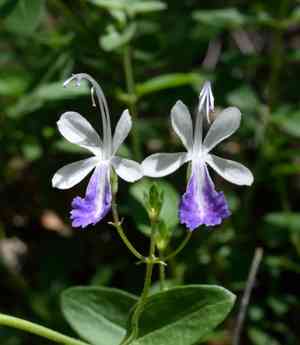
Arizona bluecurls (Trichostema arizonicum)
Also known as: Arizona bluecurls
Trichostema purpusii, also known as glandular bluecurls, is a perennial plant native to the Sierra Nevada foothills in central California. It belongs to the mint family (Lamiaceae) and is characterized by its striking blue flowers. The plant's stamens are particularly notable for their long, curling shape, which helps in transferring pollen onto the backs of visiting insects.
In This Article
Attributes of Arizona bluecurls
Lifespan
Perennial
Plant Type
Shrub
Plant Height
1-2 feet
Spread
1-2 feet
Leaf Color
Green
Flower Size
0.5 inches
Flower Color
Blue to Purple
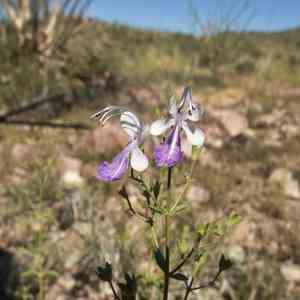
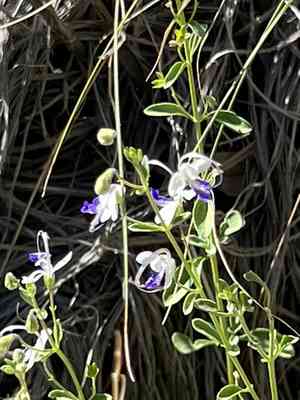
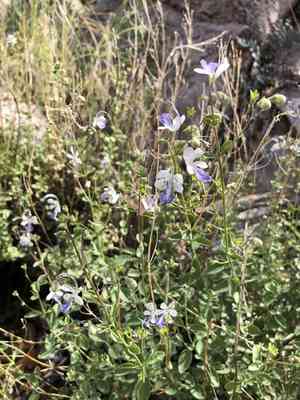
Images of Arizona bluecurls
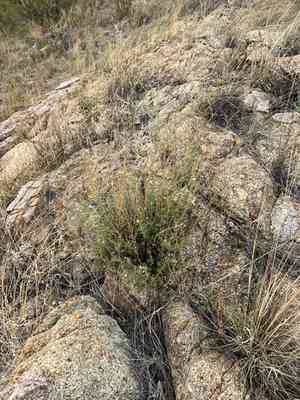
Quickly Identify Arizona bluecurls
1
This plant can be identified by its small, blue to purple flowers and aromatic, hairy leaves. The flowers are often coiled, resembling the curls of hair, from which the common name is derived.
Scientific Classification of Arizona bluecurls
Phylum
Vascular plants
Class
Dicotyledons
Order
Lamiales
Family
Mint
Genus
Trichostema
Species
Arizona bluecurls
Planting and Growing of Arizona bluecurls
Care Difficulty
Easy
Watering Schedule
Every 3 days
Sunlight Requirements
Full sun
Sunshine Duration
4-8 hours
Ideal Temperature
68-77℉
Soil Type
Potting Mix, Peat Mix
Soil pH
6.5-7.5
Fertilizer Type
Balanced
Pruning Season
Spring, Summer
Pruning Area
Branches, Leaves
Pruning Frequency
2 times a year
Repotting Season
Spring
Pot Type
Plastic, Ceramic
 How to Water Arizona bluecurls?
Trichostema arizonicum thrives in well-drained soil, so watering should mimic its natural arid habitat. Water deeply but infrequently, allowing the soil to dry out completely between sessions. Each watering should be about 500 ml, ensuring that the water reaches the roots without leaving the soil waterlogged.
What are the symptoms of an underwatered Arizona bluecurls?
›
What should I do if my Arizona bluecurls is not getting enough water?
›
What are the symptoms of an overwatered Arizona bluecurls?
›
How to save an overwatered Arizona bluecurls?
›
 What Are the Sunlight Requirements for Arizona bluecurls?
Trichostema arizonicum's ideal range is 6 to 8 hours in full to partial sun. Optimal light encourages maximum photosynthetic efficiency and robust growth, with vibrant flowers and healthy foliage.
How much sunlight does Trichostema arizonicum need?
›
What is the best way to ensure it gets the right amount of light?
›
What benefits will the plant have from ideal lighting?
›
 What Is the Ideal Temperature Range for Arizona bluecurls?
Trichostema arizonicum, commonly known as Arizona Bluecurls, thrives best within a temperature range of 68 to 77 degrees Fahrenheit. This specific range allows the plant to efficiently perform photosynthesis and maintain cellular processes. Temperature control within this range ensures optimal growth, leading to healthier foliage and a more vibrant flowering stage. Maintaining this ideal temperature range facilitates better root development and can enhance overall resilience against pests and diseases.
 What Soil is Best for Arizona bluecurls?
Trichostema arizonicum thrives in well-drained soil, which prevents water from pooling around the roots. This reduces the risk of root rot and fungal infections, vital for healthy plant growth. The plant benefits from nutrient-rich soils that support vigorous growth and flowering. Adding organic matter like compost enhances the soil's fertility, promoting a lush and robust plant. An ideal soil for this plant maintains moderate moisture levels, not too dry or soggy. This balance ensures the plant has enough water for growth without risking over-saturation.
 How to Fertilize Arizona bluecurls?
For Trichostema arizonicum, it's best to apply liquid fertilizer at half-strength, approximately 1 tablespoon or 15 mL per gallon of water. Use slow-release fertilizers sparingly, with a typical amount around 1 teaspoon per plant, ensuring that you're not over-fertilizing. This plant thrives better with a lighter feeding regimen.
 How to Prune Arizona bluecurls?
Wear gloves to protect your hands from sharp edges and potential irritants from the plant. Additionally, wear eye protection if the plant is tall to shield from falling debris. Before you start pruning, observe the natural growth pattern of Trichostema arizonicum. Prune in alignment with this pattern to support healthy regrowth and maintain its natural structure. Always keep in mind not to remove more than one-third of the plant at one time. Over pruning can stress the plant and affect its ability to regrow. Collect and dispose of all plant cuttings appropriately to prevent the spread of disease. Composting is a great option if the plant matter is healthy and free from disease.
More About Pruning Techniques→
 How to Propagate Arizona bluecurls plant?
1
Harvest seeds from mature Trichostema arizonicum plants when capsules turn brown. Allow them to dry completely before storage. Store them in a cool, dry place until ready for planting in spring or early summer.
2
Select healthy stems and cut them just below a node using sterilized scissors. Remove lower leaves and dip the cut end in rooting hormone before placing in moist soil for best results.
3
Plant seeds in well-draining soil, covering them lightly. Water gently and keep the soil consistently moist. Place in a warm, bright location to encourage germination.
 How to Repot Arizona bluecurls plant?
1
Look for signs such as roots emerging from the drainage holes, soil that dries out too quickly, and reduced growth. These signals indicate that it's time to repot your Trichostema arizonicum, typically best done during spring or summer when the plant is actively growing.
2
Select a pot that is one size larger than the current one, with good drainage holes. A slightly larger pot prevents waterlogging while giving roots space to grow, thus supporting healthier plant development and reducing stress for Trichostema arizonicum.
3
Use a well-draining, sandy soil mix to mimic its natural habitat, ensuring adequate root aeration and preventing root rot. This type of soil will also support the drainage of excess water, which is crucial for the plant's health.
Toxicity
Ingestion of plant parts
WARNING
The judgment on toxicity and danger is for reference only. We DO NOT GUARANTEE any accuracy of such judgment. Therefore, you SHALL NOT rely on such judgment. It is IMPORTANT TO SEEK PROFESSIONAL ADVICE in advance when necessary.



