How to Propagate Fewflower meadow-rue?
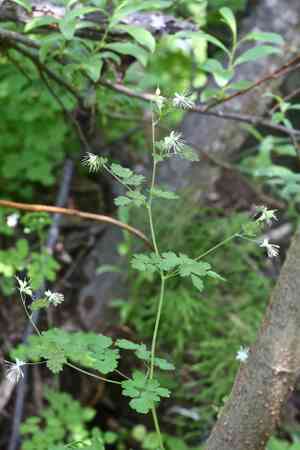
Fewflower meadow-rue, a herbaceous perennial belonging to the Ranunculaceae family, thrives when propagated using fresh seeds. Plant these seeds in soil that drains effectively. Cover the seeds with a thin layer of soil and ensure the substrate remains uniformly damp. Sprouting can be a gradual process, so perseverance is key. Provide ample room for the plants to develop, considering their natural growth pattern. Regular attention and observation are vital for successful propagation.
When Is the Optimal Time to Propagate Fewflower Meadow-rue?
Propagation Type
Sowing
Propagation Season
Spring
What Equipment Is Used for Fewflower Meadow-rue Propagation?
Seed Tray
A seed tray is crucial for sowing. It offers a regulated environment for fewflower meadow-rue's seeds to sprout, ensuring even spacing and reducing competition for resources.
Sterile Potting Mix
Employing a sterile potting mix prevents potential disease or fungal problems that could harm the delicate seeds of fewflower meadow-rue, fostering robust development.
Humidity Dome
A humidity dome maintains consistent moisture levels and warmth, both vital for the germination of fewflower meadow-rue's seeds, replicating their natural sprouting conditions.
Seed Dibber
A seed dibber assists in creating uniform planting holes at the correct depth for fewflower meadow-rue's seeds, ensuring ideal conditions for root formation.
Watering Can with Fine Rose
A watering can with a fine rose attachment ensures gentle irrigation, preventing disturbance of fewflower meadow-rue's seeds and young seedlings while providing consistent moisture.
Grow Lights
Grow lights support the growth of fewflower meadow-rue by supplying the necessary light spectrum for photosynthesis, especially beneficial if natural sunlight is insufficient.
Seedling Heat Mat
A seedling heat mat provides bottom warmth to encourage quicker and more uniform germination of fewflower meadow-rue's seeds, perfect for species needing warmer soil conditions.
Labeling Stakes
Labeling stakes are important for identifying each tray or pot of fewflower meadow-rue to prevent mix-ups, ensuring accurate tracking of the propagation process.
How to Propagate Fewflower Meadow-rue?
Propagation Type
Easy
How to Care for Your Newly Propagated Fewflower Meadow-rue?
How to Care for Your Newly Propagated Fewflower Meadow-rue?
Following germination and initial growth, continue to water the plants regularly, ensuring the soil stays moist but not waterlogged. Position the young plants in an area that receives partial to full shade, as fewflower meadow-rue prefers such environments. Mulch around the plants to retain moisture and suppress weeds. Monitor for pests and diseases, and offer support if the stems appear weak or sprawling. As fewflower meadow-rue matures, it may require division every few years to maintain vigor and promote healthy growth.
Common Errors to Avoid When Propagating Fewflower Meadow-rue
Overwatering
Excessive watering can lead to root rot, which impedes the propagation process and compromises the plant's overall health.
Poor Soil Drainage
Using soil that retains too much water can hinder proper root development and lead to fungal issues.
Inadequate Light
Propagating fewflower meadow-rue in low light conditions can result in weak and leggy growth, reducing the chances of successful propagation.
Improper Cutting Technique
Taking cuttings at the wrong place or using the wrong method can reduce the viability of the new plants.
Ignoring Pest Control
Not monitoring for pests can lead to infestations that damage young, vulnerable plants.
Tips For Propagating Fewflower Meadow-rue
Optimal Watering
Ensure the soil is moist but not waterlogged, allowing the roots to breathe.
Good Drainage
Use well-draining soil to prevent water accumulation around the roots.
Adequate Light
Place fewflower meadow-rue in a location with sufficient indirect sunlight to promote healthy growth.
Proper Cutting Technique
Take cuttings using a sharp, sterilized tool just below a node to ensure the new plant can form roots successfully.
Pest Monitoring
Regularly check for pests and treat any infestations promptly to protect young plants.



